
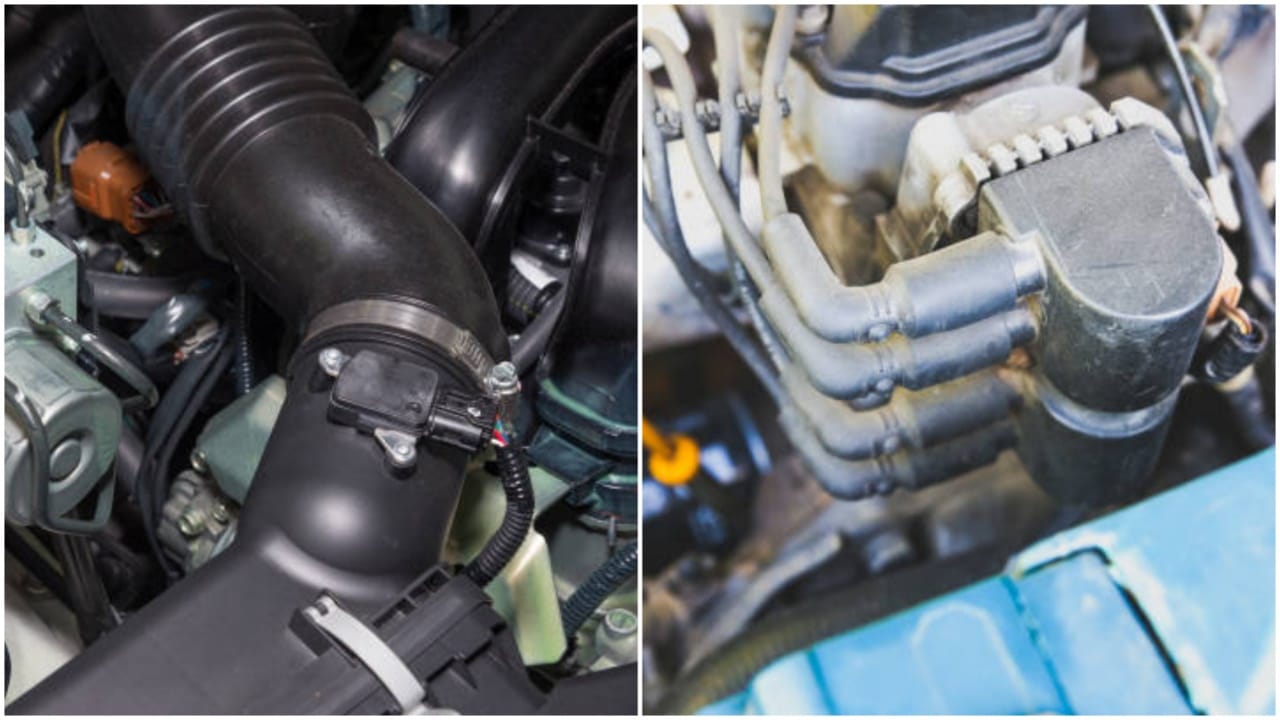
A carburetor vacuum leak causes rough idle, high RPMs, poor fuel economy, and sluggish acceleration. You may hear a hissing sound and struggle with cold starts. The leak leaks the air-fuel mix, leading to misfires and overheating. It often buries in cracked hoses or gaskets, disrupting engine balance and Efficiency.
Why Do Vacuum Leaks Happen?
Your carburetor thrives on a precise mix of air and fuel. There is too much wind in it, and things get turbulent. A vacuum leak is a break in that choreography. Somewhere, extra air is sneaking in, throwing the balance off.
Cracks or even an old, worn-out gasket can let this happen. It's frustrating because these issues often start small.
Signs Your Carburetor Is Crying for Help
The first time I dealt with a vacuum leak, it felt like my car was stubbornly trying to tell me something. Here are a few things to watch for:
- Rough Idle: Imagine your car shivering at a stoplight. That uneven, shaky vibe? Classic vacuum leak symptom. It's like your engine's breathing out of sync.
- Stumbling Acceleration: Step on the gas, and instead of roaring forward, your car hesitates. It's maddening, especially when you know it should be smoother.
- High RPMs at Idle: Ever hear your engine rev like it's warming up for a race while parked? That's another clue.
- Whistling Sound: This one's weird but unmistakable. A high-pitched whistle from under the hood is like air escaping where it shouldn't.
Signs of a Vacuum Leak
- Car shakes when stopped (rough idle)
- Engine revs too high when parked
- Car feels slow when you press the gas
- You hear a hissing or whistling sound
- Hard to start when cold
The Easy Way to Confirm
Now, let's talk about finding that sneaky vacuum leak. Some people dive right into fancy tools or complicated procedures. But me? I like to start simple. Here's the trick I swear by: the carb cleaner spray test.
Grab a can of carburetor cleaner (or starting fluid). Then, with the engine running, lightly spray it around the base of the carburetor and any vacuum hoses. You're listening for changes in the engine's sound.
If the RPMs suddenly spike or dip, bingo—you've just found where the leak is. Just be careful with the spray—it's flammable, so keep safety in mind.
- Use carburetor cleaner spray
- Spray around hoses and carb base
- If engine sound changes, you found the leak
- Be careful—spray is flammable
Fixing the Problem
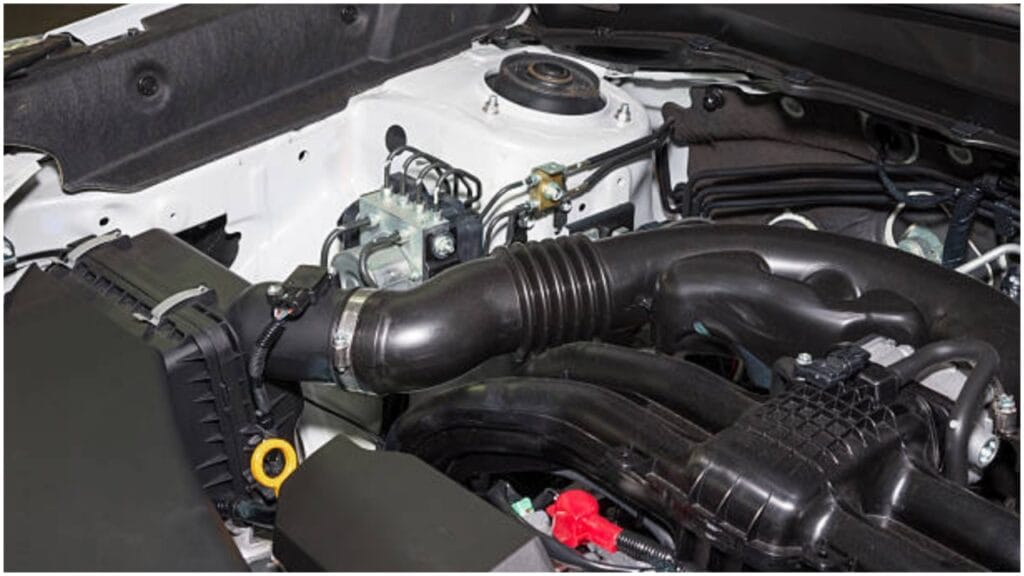
Replacing those parts is often straightforward, and solving the problem yourself is incredibly satisfying.
If you find the leak and it looks complicated—like a crack in the intake manifold—don't hesitate to call in the pros. There's no shame in knowing your limits; some repairs require more expertise.
- Put in new gaskets
- Replace cracked hoses
- Tighten loose clamps
- If leak is deep, ask a mechanic
What Happens If You Ignore It?
They'll get worse. Left unchecked, a vacuum leak can mess with your engine's timing, reduce fuel efficiency, and even cause long-term damage.
Why I Love This DIY Challenge
Of all the car fixes I've tackled, chasing down a vacuum leak holds a special place in my heart. It's not the dirtiest job, and there's something oddly satisfying about hunting down the source of the problem.
Plus, when you finally seal that leak, the difference in performance is instant. It's like giving your car a breath of fresh air—literally.
Keep It Simple, Always
Vacuum leaks might sound complicated, but they're often easier to deal with than you'd think. Start with the basics, trust your instincts, and don't be afraid to get your hands dirty.
Cars aren't as mysterious as they seem, especially once you've spent time under the hood.
So the next time your carbureted engine feels off, don't panic. Grab that carb cleaner, listen closely, and get to work.
It's All About the Balance
A carburetor's job is all about balance. It blends air and fuel to keep your engine running smoothly. When a vacuum leak shows up, that balance tips over.
Carburetor's Secret Codes
When a vacuum leak occurs, the carburetor tries to signal you. Sometimes, it's a sudden stall at a stop sign. Other times, the engine surges like it's excited for no reason. These quirks might feel random, but they're often the carburetor's way of waving a red flag.
The Fuel Economy Hit
A vacuum leak doesn't just mess with performance; it hurts your wallet, too. When the air-fuel mixture is off, the engine burns more fuel than it should.
Heat and the Carburetor
One thing I've learned is how sensitive carburetors are to heat. Over time, high temperatures can warp gaskets or crack.
These weak spots become prime places for vacuum leaks to form. Monitoring those parts during routine maintenance is a good reminder.
When the Leak Hides Deep
Not all vacuum leaks are apparent. They lurk in places you can't see right away. Intake manifolds, for example, can crack internally.
These hidden leaks are harder to find but just as damaging. That's when you need a smoke machine test or professional help.
Preventing Future Problems
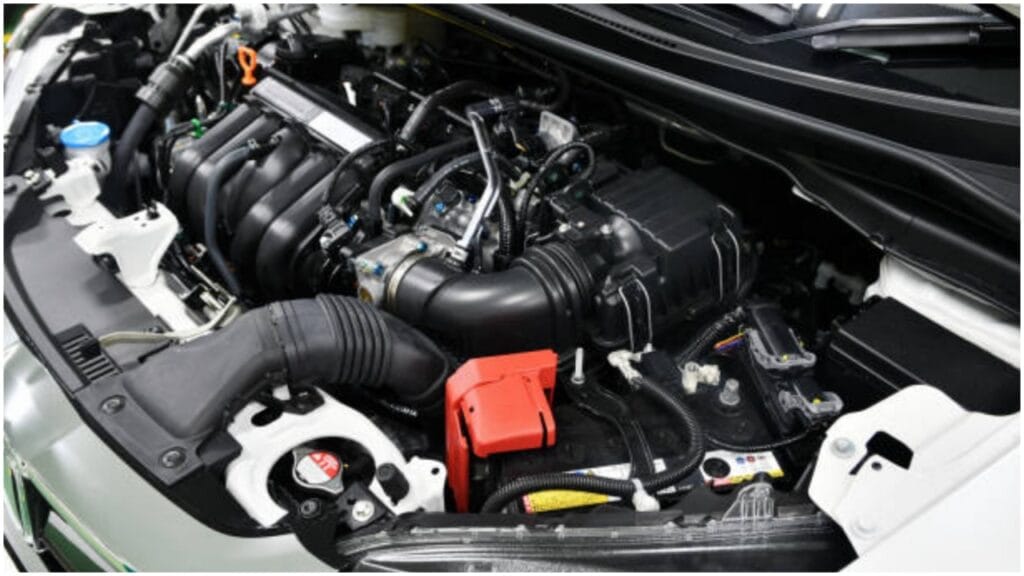
One of the easiest ways to avoid vacuum leaks is to replace old ones before they crack. A little maintenance goes a long way.
I've started keeping a small checklist for things like gaskets and clamps. It's quicker to replace them before they fail than to fix the mess later.
Why It's Worth the Effort
Fixing a vacuum leak isn't just about making your engine run right. It's about extending the life of your car. When you catch these problems early, you save yourself from more significant headaches.
Conclusion
A vacuum leak in your carburetor may seem minor, but it can cause significant trouble if ignored. Every fix you make is a step toward keeping your ride reliable and efficient. Take the time, get your hands dirty, and enjoy the satisfaction of bringing your engine back to life.
FAQ's
Vacuum hose car repair costs $100-$300, including parts ($20-$80) and labor ($50-$150). Costs vary by vehicle, location, and damage severity. DIY saves labor but needs tools. Professional repair ensures proper fixes for complex leaks.
A bad vacuum hose causes rough idling, engine misfires, poor acceleration, and a hissing noise. It disrupts air-fuel balance, leading to sluggish performance and increased fuel use. Cracks or loose fittings often hide the issue during quick inspections.
Car vacuum hose sizes typically range from 3/32" to 3/8" inner diameter, depending on the system’s pressure and flow needs. Smaller hoses serve sensors; larger ones handle brake boosters or PCV systems. Material flexibility affects fit and sealing.
A vacuum leak in a car causes rough idle, poor acceleration, misfires, high fuel use, and a hissing sound. It disrupts the air-fuel ratio, leading to engine imbalance. Hidden cracks or loose fittings often escape quick visual checks.
A faulty vacuum hose in a car causes rough idling, poor acceleration, misfires, and increased fuel consumption. It may produce a faint hissing sound. Cracks, brittleness, or loose connections disrupt engine vacuum, affecting sensors and overall drivability.
Carb cleaner helps detect vacuum leaks by spraying around hoses and gaskets while the engine runs. A change in RPM confirms a leak, aiding fast, low-cost diagnosis and repair.
Yes, a vacuum leak can cause high idle by allowing excess air into the intake manifold. This disrupts the air-fuel ratio, forcing the engine to rev higher than normal.