
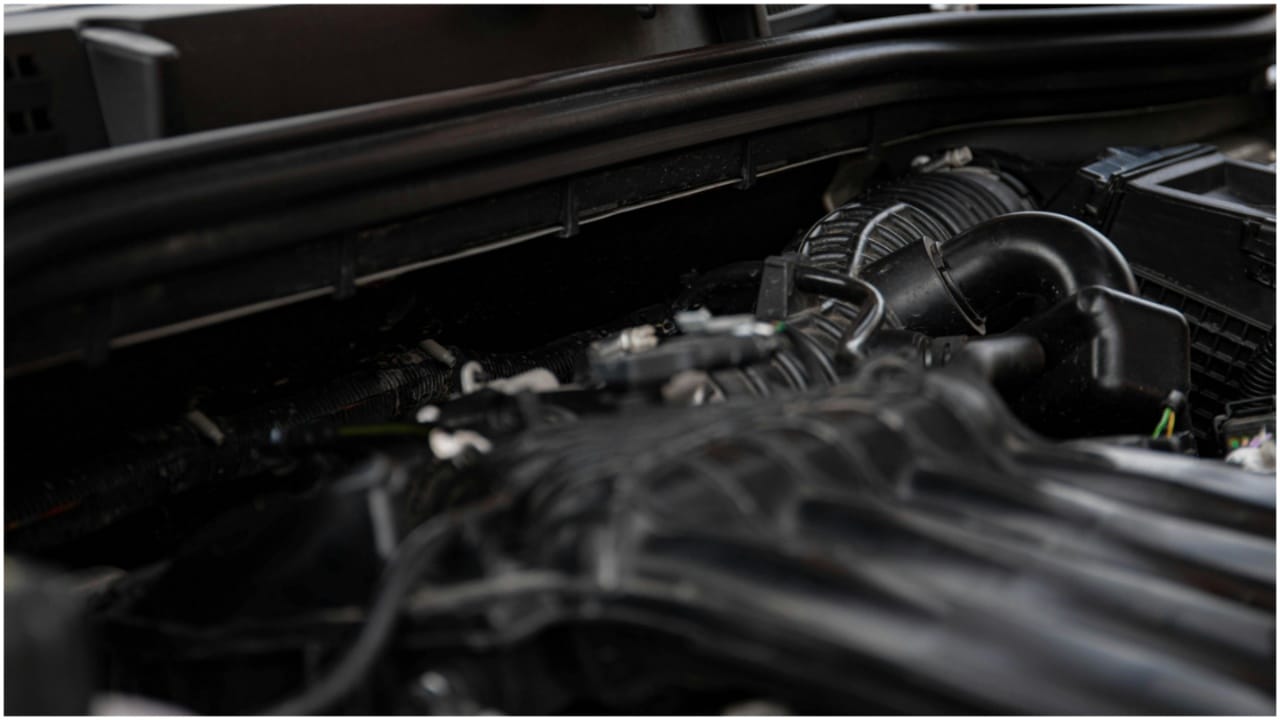
Engine knocking is a common but serious issue that can harm your vehicle’s engine if not addressed promptly. The best engine additive for knocking not only helps to reduce the damaging pinging sound but also improves fuel efficiency and overall engine health. Choosing the right additive can prevent costly repairs and keep your engine running smoothly for years.
Spotting the Signs
Knocking isn’t always obvious. Listen for a sharp, rhythmic tapping when accelerating or climbing hills.
Reduced engine performance, such as sluggish acceleration or lower fuel efficiency, can indicate knocking. These symptoms are your car’s way of saying it needs attention.
- A sharp, rhythmic tapping or pinging noise, especially noticeable when accelerating or climbing hills.
- Reduced engine performance such as sluggish acceleration or decreased fuel efficiency.
These symptoms signal that your engine needs attention and should not be ignored.
Causes of Knocking

Low-octane fuel is a leading cause. Engines designed for high-octane gas will knock if the wrong grade is used. Carbon buildup inside the cylinders is another common issue.
Deposits create hot spots, causing premature ignition. Faulty spark plugs or a failing ignition system can lead to uneven combustion.
- Low-octane fuel: Using a fuel grade lower than your engine’s requirement reduces resistance to premature ignition.
- Carbon buildup: Deposits form inside cylinders, creating hot spots that cause early ignition.
- Faulty spark plugs or ignition system: These can cause uneven combustion timing.
- Ethanol-blended fuels: Ethanol can worsen knocking by destabilizing the fuel mixture.
How Additives Help Stop Engine Knocking
Using the correct engine additive is key to stopping knocking by improving fuel quality, cleaning deposits, and enhancing combustion efficiency.
- Octane boosters increase the fuel’s knock resistance by raising its stability under compression. These are ideal when knocking results from low-octane fuel.
- Fuel system cleaners remove carbon deposits from injectors, valves, and cylinders. These are best for problems caused by carbon buildup and are especially useful for high-mileage or turbocharged engines.
- Ethanol stabilizers balance ethanol-blended fuels to prevent uneven burning and reduce knocking.
Choosing the Right Additive
The best additive depends on the cause of knocking. If low-octane fuel is the issue, an octane booster is ideal.
These additives increase the fuel’s resistance to knocking by improving its stability under pressure. Look for products labeled as octane enhancers or knock reducers.
| Cause | Recommended Additive |
|---|---|
| Low octane fuel | Octane booster / knock reducer |
| Carbon deposit buildup | Fuel system cleaner |
| Ethanol fuel-related issues | Ethanol stabilizer |
Look for additives labeled as octane enhancers, knock reducers, or fuel system cleaners designed for your engine type.
Cleaning Carbon Deposits

A fuel system cleaner is the best choice for knocking caused by carbon buildup. These additives remove deposits from fuel injectors, valves, and cylinders.
Choose a cleaner designed for your engine type, especially if you have a high-mileage car or a turbocharged engine.
Preventing Ethanol Issues
Ethanol-blended fuels can worsen knocking. Ethanol stabilizers are additives that balance the fuel mixture, preventing uneven burning. If you frequently use ethanol-based fuels, consider an additive with stabilizing properties.
How to Use Additives
Most engine additives are poured directly into the fuel tank. Follow the instructions on the label carefully. Use the correct amount based on your tank’s size.
Overuse can dilute the effectiveness, while underuse might not provide results. After adding, drive usually and monitor the engine. Improvement may take a few tanks of fuel.
- Follow the product’s label instructions exactly.
- Use the correct amount for your tank size; underusing may not help, while overusing can reduce effectiveness.
- Drive normally after adding the additive and monitor engine performance.
- It may take several tanks of treated fuel before you notice improvement.
When Additives Aren’t Enough
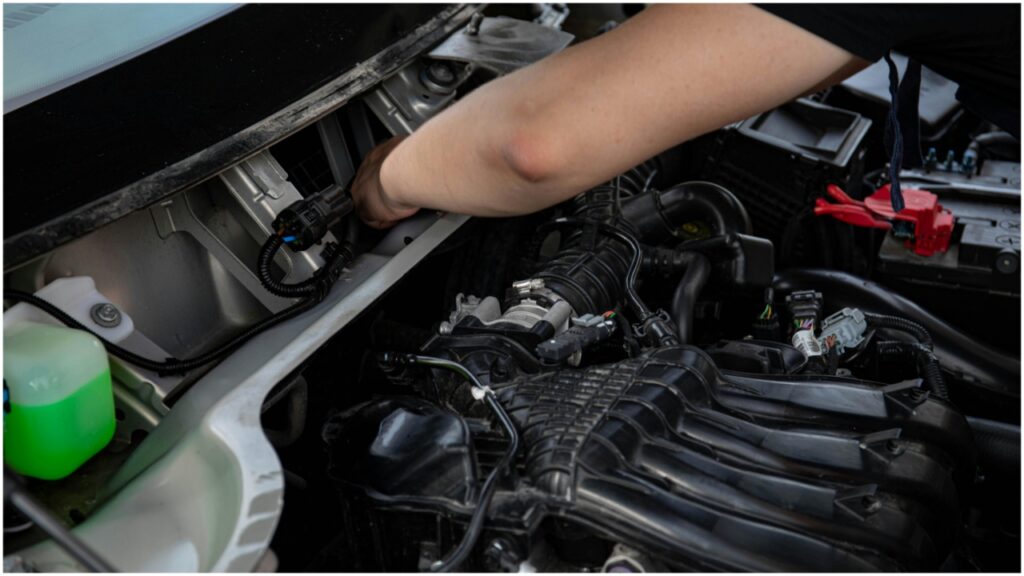
If knocking persists despite using additives, the cause may be mechanical, such as worn pistons, faulty connecting rods, or ignition system failures. Additives cannot repair these issues and a mechanic’s inspection and repair will be necessary.
Regular Maintenance is Key
Additives work best when paired with regular maintenance. Change your spark plugs and air filters on schedule.
Keep your engine tuned and use the recommended fuel grade. Preventive care minimizes the chances of knocking and extends your engine’s life.
- Use the recommended fuel grade consistently.
- Change spark plugs and air filters on schedule.
- Keep your engine tuned and clean with periodic fuel system treatments.
Good maintenance minimizes knocking risk and extends the engine’s life.
Conclusion
Finding the best engine additive for knocking is essential for restoring your engine’s performance and preventing long - term damage. Whether caused by low - octane fuel, carbon buildup, or ethanol - blended gas, the right additive can clean deposits, boost fuel quality, and stabilize combustion. Using these products alongside regular maintenance ensures a quieter, stronger, and more efficient engine.
Common FAQ's
The best oil additive to clean engine helps remove sludge and deposits, improving lubrication and engine performance. Using a quality additive keeps your engine running smoothly, reduces wear, and extends its life by maintaining cleaner internal parts effectively.