
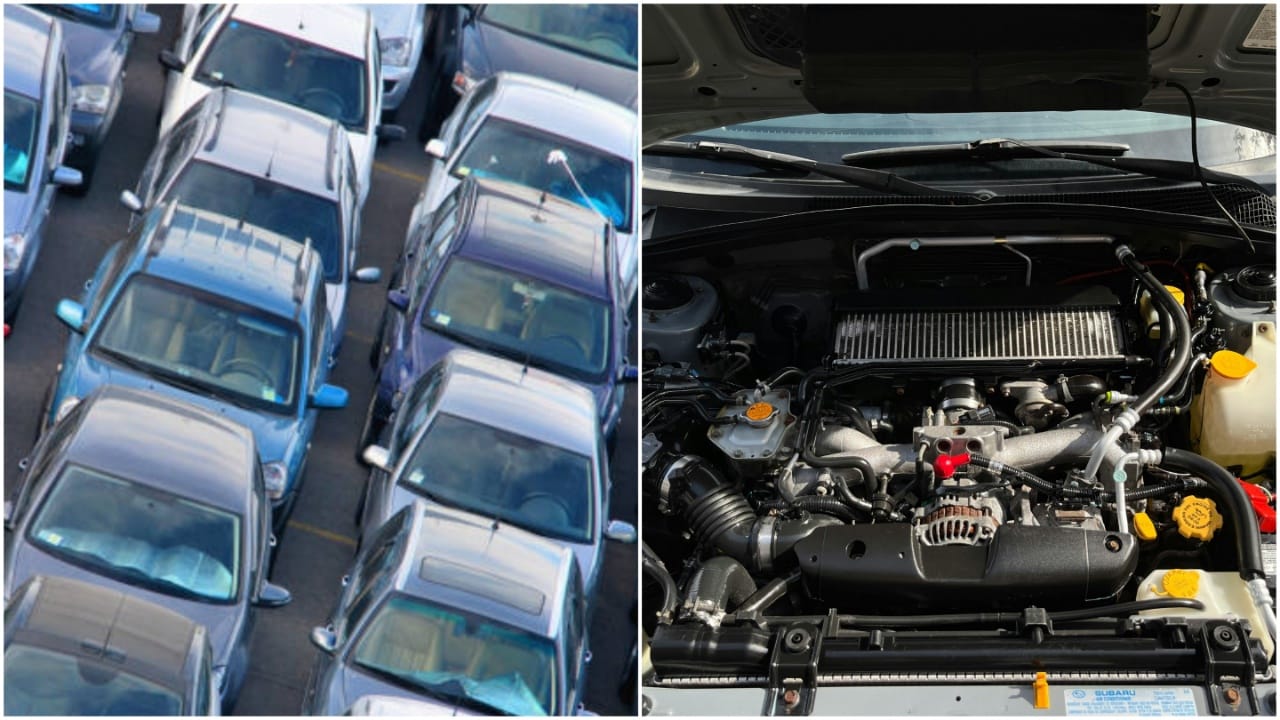
Your car overheats fast. Gauge shoots to red. Heart races! You pull over. Wait 20 minutes. It cools. Back to normal. Happens daily to drivers. Top causes: Stuck thermostat (fixes 40% of cases). Low coolant from leaks. Bad radiator hose. Fan not spinning.
Don't ignore! One bad heat cycle warps heads - $1,500-$3,000 fix. Quick fixes now: Pop hood cold. Check coolant level (add 50/50 mix). Feel hoses (soft = leak). Test fan by idling in park. Spot it early. Save big bucks. Drive worry-free.
Let's explore what happens when your car overheats. It then chills out, leaving you perplexed about what to do next.
Firstly Thermostat
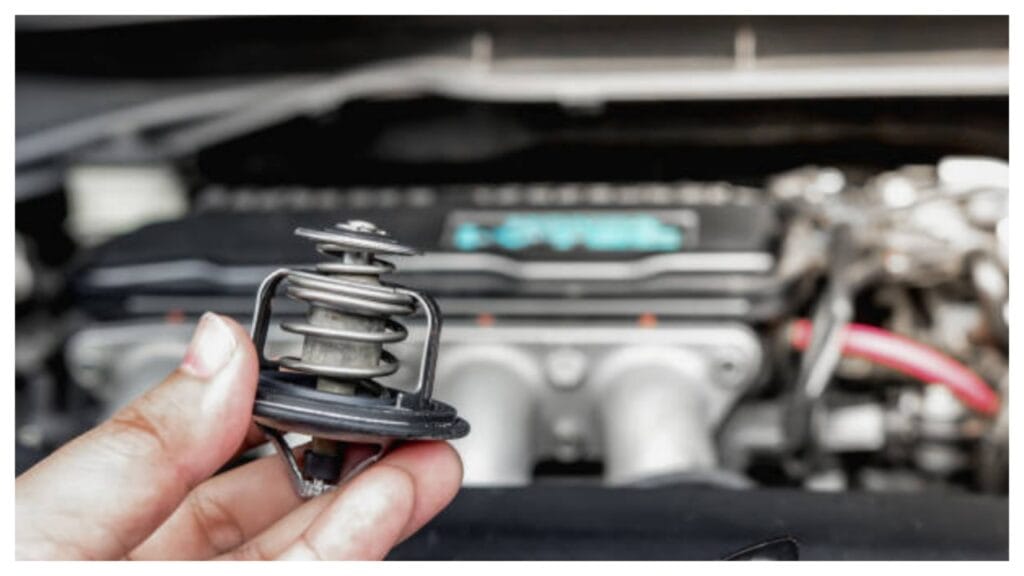
Let's start with one of the usual suspects: the thermostat. That little piece of equipment has a deceptively big job: controlling the coolant flow between your engine and radiator.
It opens and closes like clockwork when it works smoothly, keeping the temperature balanced. But when it gets stuck, things get funky.
In my case, the thermostat was sticking halfway open. My car would heat up, sometimes to the brink, and then it would cool back down.
It was just the thermostat throwing a fit. It blasts cold air, then shuts off suddenly.
This cycling of overheating and cooling off is your engine trying to compensate.
If it still needs to be dealt with, you'll have more than a sweaty drive. The worst-case scenario is engine damage; the best-case scenario is you'll need a new thermostat.
Low Coolant: The Slow Burn Culprit

Now, let's talk about something even sneakier: low coolant. It's like running out of sugar while baking cookies—you don't notice until it's too late. With coolant, it's a slow burn (literally).
Your car's coolant levels can drop gradually, especially if there's a leak somewhere. But the engine heats up quickly when you're on the go, and the coolant can't keep up, leading to that dreaded overheating moment.
Here's where it gets tricky, though. As you drive, the air rushing through the radiator can sometimes cool things off just enough. This can bring the temperature back down, making it seem like everything is fine.
But that's a temporary Band-Aid. You're still short on coolant, and it's only a matter of time before the heat returns with a vengeance.
My advice? Check your coolant levels regularly. Pop the hood, give it a peek, and make sure you're topped off. If you notice the temperature gauge, investigate it thoroughly.
Radiator Woes
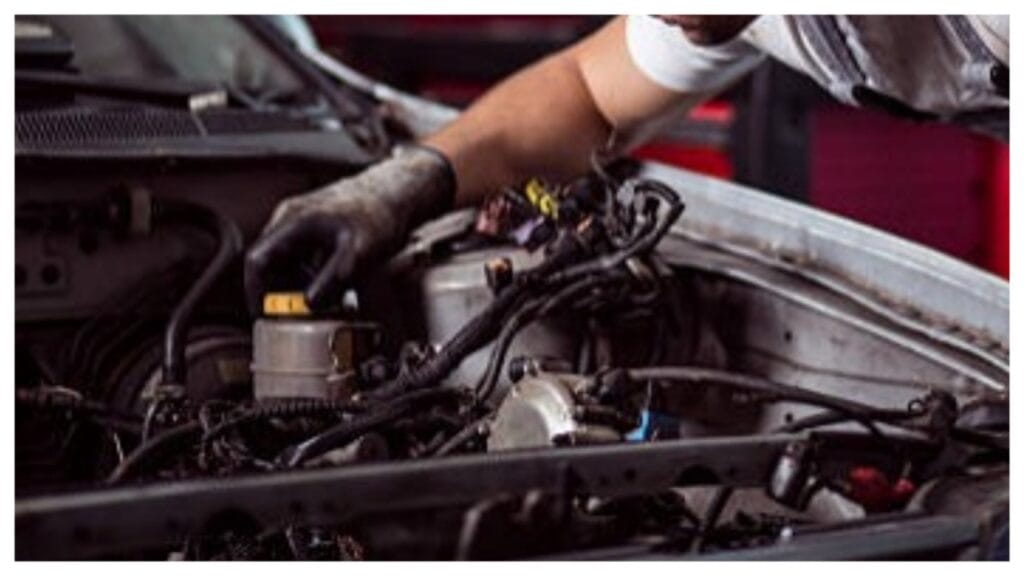
Your radiator is the real MVP of your cooling system. It works quietly in the background to keep everything from boiling over. And a small crack in your radiator or its hoses can lead to big problems.
You do not even see it at first - tiny leaks can be stealthy, only revealing themselves under pressure (literally). In my case, it was a small pinhole leak in one of the radiator hoses.
The car would run fine. After a long drive or sitting in traffic, it would overheat just enough to make me nervous. Then, like clockwork, it would cool down once I hit the highway and got some airflow.
That's the thing with radiator issues—they're great at hiding until they're not. If you suspect the radiator, watch for coolant leaks or low levels.
Sometimes, the solution is as simple as replacing a hose. But ignoring it can turn into a much bigger headache if the radiator itself starts to fail.
How to check radiator leaks?
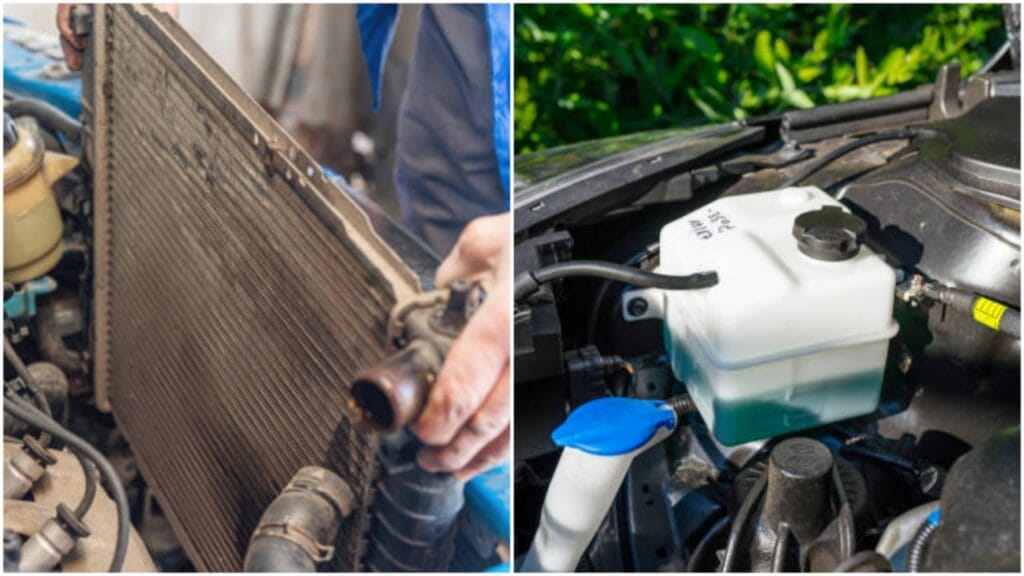
I'll walk you through a step-by-step process to check for radiator leaks.
Visual Inspection While the Engine is Cold
Before doing anything under the hood, make sure the engine is excellent. A hot radiator can burn you if you're not careful. Coolant is under pressure when the engine is hot, making leaks hard to spot.
- Wait until the engine is completely cold. Never open the radiator cap on a hot engine—it can spray scalding coolant everywhere.
- Open the hood. Inspect the radiator itself. Check the hoses leading to and from it. Examine the area around the radiator cap.
- Look for any obvious signs of leaks, like:
- Puddles or wet spots of coolant around the base of the radiator.
- Cracked or frayed hoses.
- Dried coolant residue (it looks like white, green, or orange crusty streaks, depending on the type of coolant).
Leaks are small, so get a flashlight and check around every corner of the radiator and the hoses.
Check the Coolant Level
If you're often topping off your coolant, that's a big clue that something's leaking, even if it's not instantly visible.
- Pop the cap off the radiator (or coolant reservoir, if your car has one) with the engine cold.
- Check the level of coolant inside. It should be near the top of the radiator or at the "full" line on the reservoir.
- If it's consistently low, but you don't see apparent leaks, you have a small or slow leak.
A low coolant level without visible puddles means the leak only happens when the engine is running and under pressure.
Inspect for Coolant Under Pressure
Sometimes, leaks only occur when the engine is running. The heat and pressure cause small cracks or holes to expand. Here's how you can test for that:
- Start the car and let it idle for a while. This will allow the vehicle to warm up and the cooling system to come under pressure.
- Watch for drips or steam from the radiator, hoses, or connections while the engine runs.
- If you see any fluid dripping or a fine mist, you've found the source of the leak. If it's a small leak, it evaporates quickly, so look carefully for small sprays or hissing sounds.
Warning: Do this carefully. Keep your hands and face away from the radiator. Also, avoid the hoses while the engine is running. If the leak worsens, coolant can spray unexpectedly.
Use a Coolant Pressure Tester
If you're having trouble spotting a leak visually, a coolant pressure tester can help. This tool simulates the pressure of a running engine, even when the car is off, making leaks easier to detect.
- Attach the tester to your radiator or coolant reservoir, depending on your car's setup.
- Pump the tester to pressurize the setup.
- Once under pressure, inspect the radiator, hoses, and connections again. Look for coolant seeping or dripping.
This tool is available at auto parts stores and can make finding even small leaks much more accessible.
Check the Radiator Cap
A faulty radiator cap can sometimes cause coolant loss without any visible leaks. If the cap isn't sealing properly, it can let coolant escape as steam. This won't leave puddles but can cause the mechanism to lose pressure and overheat.
- Inspect the radiator cap for wear, damage, or corrosion.
- Replace it if it looks worn out or the rubber gasket inside seems cracked or damaged.
A new cap is cheap, and replacing it can sometimes solve the mystery of disappearing coolant.
Inspect the Radiator Fins
Radiators have thin metal fins that help dissipate heat. Over time, these can get clogged with dirt, debris, or corrosion. This doesn't directly cause leaks but can prevent the radiator from functioning correctly. Overheating and increased pressure inside the radiator can lead to leaks.
- Look at the fins closely. Are they bent, clogged, or corroded?
- Clean any debris with compressed air or a soft brush.
- The radiator must be replaced if the fins are severely corroded.
Look for Internal Leaks
Sometimes, leaks happen internally, and you won't see any coolant on the ground. This is a more severe problem. It usually means the coolant is mixed with the engine oil or burned off inside the engine.
- Check the oil dipstick. If you see a milky, frothy substance, that's a sign that the coolant is mixing with the oil. This is due to a blown head gasket.
- Check the exhaust. The engine is burning off coolant if you see white smoke from the exhaust pipe.
- If you suspect internal leaks, you'll need a mechanic's help. These leaks often need more extensive repairs.
Dye Test
You can use a UV dye test if you still have trouble pinpointing a radiator leak.
- Buy a special coolant dye from an auto parts store.
- Add the dye to the coolant system and run the engine for a few minutes.
- Use a UV light to inspect for leaks. The dye will glow under the light, making even small leaks easy to spot.
This method is beneficial if you suspect a hard-to-see leak. Engine components hide the leak, which is also under the car.
The Fan That's Just Not Feeling It
Let's remember the cooling fan. It's one of those car parts you don't think about until it stops working. The fan kicks in to help cool things down when the engine gets too hot.
But it does not kick in if the fan's motor is worn out or the wiring is faulty. One time, my fan decided it was on strike. I'd sit in traffic, watching the temperature gauge climb like a roller coaster.
But then, as soon as I moved, the airflow brought the temperature back to normal. The fan wasn't doing its job, but the car's front motion was enough to compensate—temporarily.
It's another one of those cases where you think everything's fine, but you're just cruising toward more significant problems.
Your car is overheating in stop-and-go traffic, but it seems fine once you move. There's a good chance your cooling fan is to blame.
When You Should Pull Over and When You Can Coast
So, here's the million-dollar question: Should you pull over every time your car overheats? What should you do even if the temperature drops back to normal? The short answer is yes. It's always better to be safe than sorry.
If you're in heavy traffic, pulling over is only sometimes practical. In those cases, turn off the air conditioning, crank up the heat (yes, really), and watch the gauge. The heat will pull some warmth away from your engine, and rolling down the windows will keep you from melting.
If you're on the highway and the temperature stabilizes, you can coast to a service station. But don't push your luck. An engine that overheats once can do it again, and the next time, it will not end so peacefully.
Don't Play Roulette With Your Engine
A car that overheats and then cools down is like a ticking time bomb. You get lucky once, twice, maybe even three times, but eventually, something will give.
Whether it's the thermostat, coolant levels, radiator, or fan, you should get to the root of the issue and deal with it before it leaves you stranded or, worse, leads to an expensive repair bill.
So, next time you see that temperature gauge creeping up, don't just breathe a sigh of relief. When it drops back down, please take it as a sign that something's wrong.
Pop the hood, check the coolant, and if all else fails, call in the pros. Regarding your engine, it is always better to fix the small stuff. This prevents it from becoming a big, overheated mess.
Conclusion
Fix car overheating then going back to normal today. Aim for 85°C-105°C steady. Weekly checks win: Top off coolant. Pressure test kit ($20 at auto stores). Run idle - watch for steam. Swap thermostat ($15 part, 30-min job).
Clean radiator fins with hose. Test fan relay. Ignore signs like white exhaust smoke, milky oil, or boil bubbles? Engine dies—$5,000 bill. Do these 5-min checks. Stop breakdowns. Your car runs cool for 100,000+ miles!
Common FAQ's
Car overheating? Quick fix: Turn off AC, blast heater full hot. Pull over safely. Pop hood (engine cold!). Add water or coolant if low. Watch gauge. Drive slow. Don't ignore - get thermostat or leak fixed fast. Saves engine!
Gauge creeps high but stays out of red? Warning sign! Low coolant, sticky thermostat, or weak fan. Check levels cold. Top off 50/50 mix. Test idle in traffic. Fix early—stops full meltdown and $2K repairs!
Gauge says fine, but engine burns hot? Bad sensor or gauge lie! Clogged radiator, no fan, low coolant pockets. Feel hoses - scorching? Check oil for milky mix. Stop driving. Test sensors. Fix now - avoids warped heads, $2K bill!