

The air filter in your car might be a small, overlooked component, but it plays a vital role in maintaining engine health and overall vehicle performance. By trapping dirt, dust, and other harmful particles, the air filter ensures that only clean air reaches the engine.
Over time, however, filters become clogged and less effective, which can hinder engine efficiency, fuel economy, and even cause damage. Understanding the importance of regular air filter maintenance - and choosing quality options like K&N filters - can help you keep your car running smoothly and extend its lifespan.
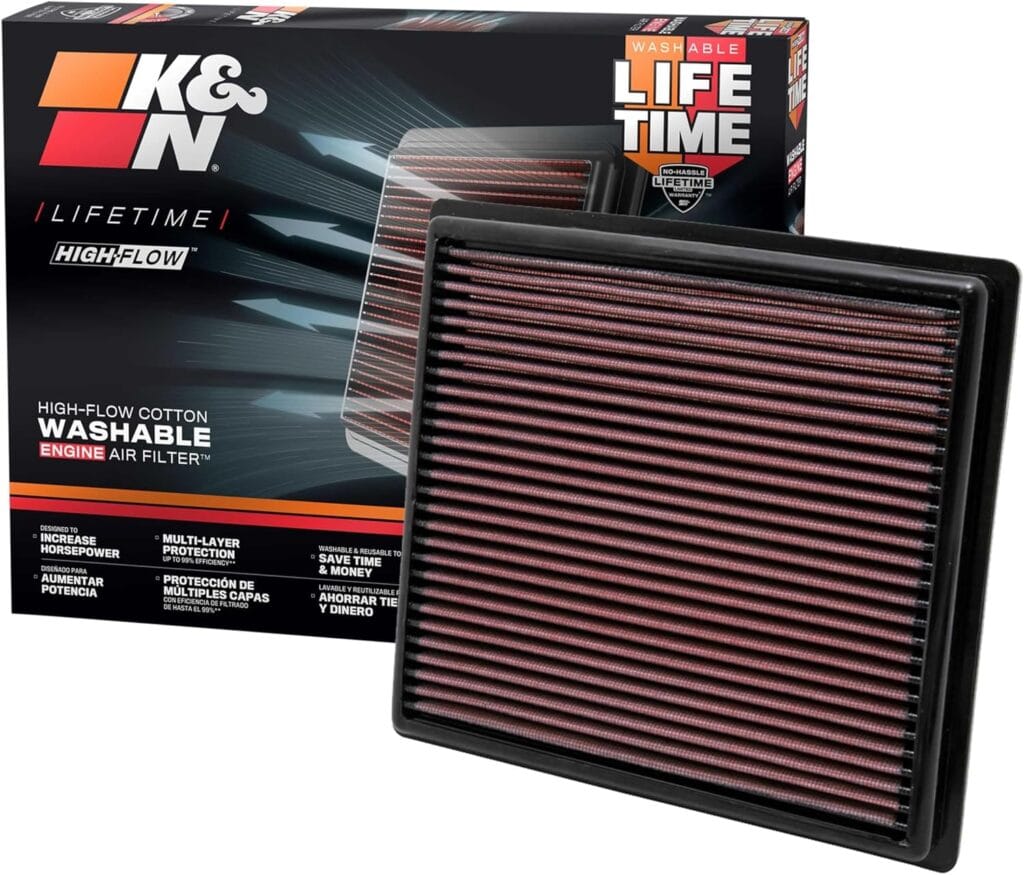
K&N filters prioritize airflow, offering reusable, performance-enhancing engine filtration. They require maintenance, deliver varied results, and are favored for improved engine responsiveness.
Better Engine Performance
A clean air filter ensures the engine gets enough air to perform at its best. When the filter is clogged, airflow is restricted, which can cause the engine to work harder and lead to reduced performance.
You may notice sluggish acceleration, rough idling, or poor fuel efficiency. Replacing a dirty air filter can restore the engine's optimal performance, giving it the power it needs to run smoothly.
Improved Fuel Efficiency
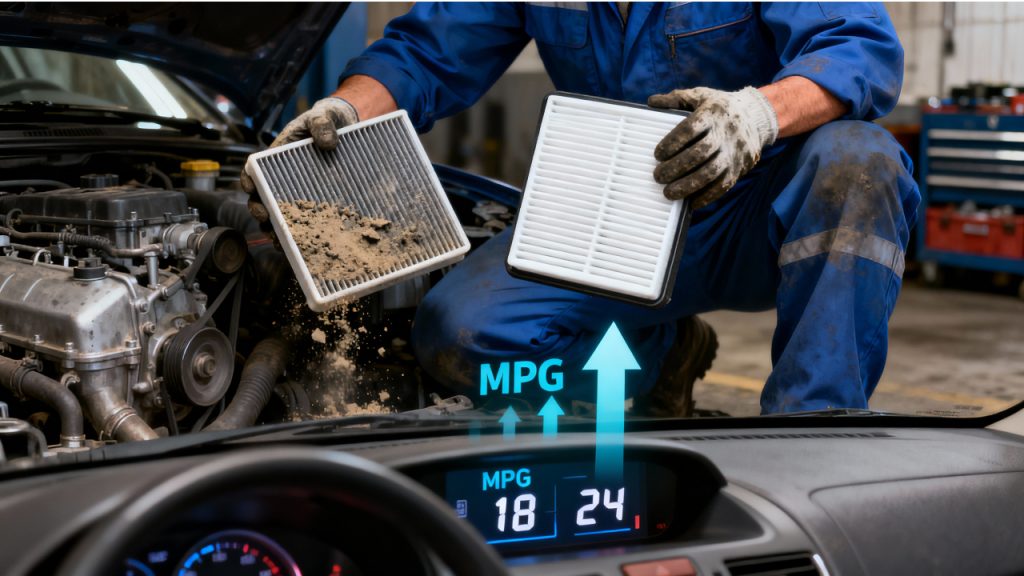
One key benefit of changing the air filter is improved fuel efficiency. When the filter is clogged, the engine has to work harder to draw in air, increasing fuel consumption.
A clean filter allows the engine to breathe easily, using less fuel and running more efficiently. As a result, you'll notice fewer visits to the gas station and a better overall driving experience.
Prevents Engine Damage
A clogged air filter doesn't just affect performance - it can also lead to engine damage. Dirt and debris can enter the engine and cause wear and tear on its components.
This can lead to expensive repairs over time. Changing the air filter regularly helps protect the engine and ensures it stays in good working condition for longer.
Better Emissions Control
Cars with clogged air filters tend to produce higher emissions. The engine struggles to burn fuel properly, releasing more pollutants into the atmosphere.
Replacing the air filter helps the engine run cleaner, reducing harmful emissions. This benefits the environment and ensures your car meets emissions standards.
Enhanced Engine Longevity
The lifespan of your car's engine is closely tied to the quality of air it gets. When the air filter is clean, the engine can perform at its best for longer.
Conversely, a clogged filter can strain the engine, leading to premature wear and potential breakdowns.
Changing the air filter on time is one of the easiest ways to extend the life of your engine and avoid costly repairs down the road.
How Often Should You Change the Air Filter?
Most car manufacturers recommend changing the air filter every 12,000 to 15,000 miles, depending on driving conditions.
If you frequently drive in dusty or dirty environments, you may need to replace the filter more often. It's a good idea to check the air filter periodically. If it looks messy or clogged, it's time for a replacement.
Signs That Your Air Filter Needs to Be Replaced
While regular maintenance is key, some signs indicate it's time for a new air filter. If you notice a decrease in acceleration, strange engine noises, or a check engine light, it could be a sign that the air filter is clogged. Also, inspecting the air filter is a good idea if you smell a musty or smoky odor when the engine is running.
The Air Filter Affects More Than You Think
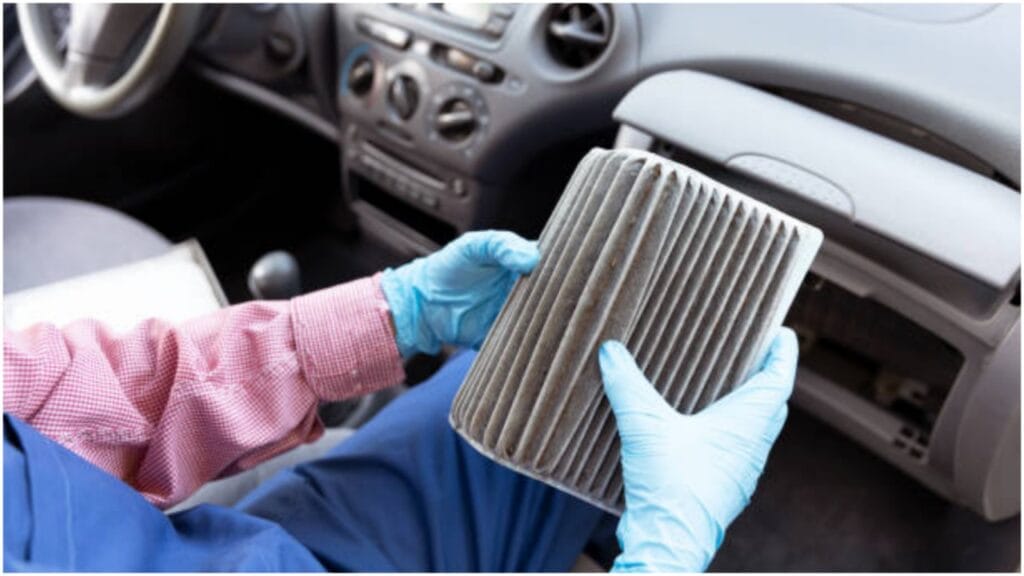
The air filter's role goes beyond just protecting the engine. It also impacts the quality of the air inside the car's cabin. A clogged air filter can lead to pollutants finding their way into the air you breathe.
This can be especially problematic for passengers with allergies or respiratory issues. A clean filter helps maintain fresh air circulation and improves overall driving comfort.
A Small Part with a Big Job
Though it's a simple component, the air filter is responsible. It acts as the engine's first line of defense.
Without it, harmful particles could cause severe damage to internal components. Although its job may seem minor, its absence or neglect could spell trouble.
Seasonal Changes Can Impact Its Condition
Changing seasons can take a toll on the air filter. Spring brings pollen, while summer kicks up dust and dirt. Autumn fills the air with dry leaves, and winter roads carry salt and grit. These elements can clog the air filter faster than you expect.
A Healthy Air Filter Helps the Climate System
Your car's heating and cooling systems depend on clean airflow. A clogged air filter can make it more difficult for these systems to function correctly.
You may notice reduced airflow when using the heater or air conditioner. Changing the air filter ensures your car's climate system operates efficiently, keeping you comfortable year-round.
Impacts of Ignoring the Air Filter
Neglecting the air filter can lead to a chain reaction of problems, with poor engine performance at the start.
Unfiltered air can damage sensitive engine components, causing costly repairs. If the engine shows neglect, it can also lower your car's resale value.
A Cleaner Engine Means a Quieter Ride
A clean air filter contributes to a smoother, quieter driving experience. The engine runs efficiently and with less strain when it receives a proper air supply.
You might notice reduced vibrations and noise during drives. Keeping the air filter clean can make every ride more enjoyable.
Eco-Friendly Benefits of Regular Changes

Maintaining a clean air filter isn't just suitable for your car. It's also good for the environment. An engine running on clean air burns fuel more completely, releasing fewer pollutants.
The Simplicity of DIY Replacement
Changing an air filter is one of the most straightforward car maintenance tasks. You don't need special tools or advanced knowledge. In most cases, it takes just a few minutes.
Many car manuals provide clear instructions for locating and replacing the air filter. Taking a few moments to do this can save you time and money.
It's a Cost-Effective Fix
Replacing the air filter is inexpensive to maintain your car's health. Compared to other engine-related expenses, it's a small price to pay. Spending a little now can prevent much more significant costs in the future.
Conclusion
Regularly changing your car’s air filter is a simple yet impactful way to protect your engine, enhance fuel efficiency, and reduce harmful emissions. While it may seem like a minor part, neglecting the air filter can lead to reduced engine performance, higher repair costs, and a shorter engine life.
Investing a little time and money in timely air filter replacements not only ensures a smoother, quieter ride but also supports a cleaner environment. Embrace this easy maintenance task as a smart step toward keeping your vehicle in peak condition for years to come.
Common FAQ's
Spot a clogged car air filter by checking for dirt buildup, poor acceleration, rough idling, reduced fuel economy, check engine light, or black exhaust smoke. Inspect visually—dark, debris-filled means replace now for better performance.
Yes, a dirty air filter can cause your car to jerk by restricting airflow, disrupting the air-fuel mix, and leading to hesitation or misfires during acceleration. Check and replace it for smooth rides.
A dirty car air filter looks gray, brown, or black instead of white, with visible dirt, dust, and debris clogging its pleats - no light shines through. Pop the hood, pull it out, and inspect under bright light for grime buildup.