

Single click when trying to start car frustrates drivers daily, but it's often a simple power issue. This symptom - key turns, solenoid clicks once, no crank - usually stems from weak battery, corroded terminals, or faulty starter. Quick DIY tests pinpoint the cause fast, saving time and towing fees. Don't get stranded; follow these steps for reliable starts.
The Battery Might Be Weak
A weak battery tops the list for that frustrating single click when trying to start your car.
Diagnose and Fix Weak Battery Issues
The battery powers the starter motor - if low on charge, it clicks once but won't crank the engine.
- Lifespan Check: Batteries last 3-5 years. Recurrent failures mean swap it proactively to avoid stranding.
- Headlight Test: Turn on headlights. Dim or no lights? Battery voltage is too low.
- Jump-Start Test: Use jumper cables from another vehicle. Starts right up? Battery needs charging or replacement.
Clean and Secure Battery Terminals

Corrosion or looseness interrupts electricity to the starter, mimicking a dead battery.
- Retest: Start engine after cleaning; often fixes instantly.
- Visual Check: Pop hood - look for white, green, or blue gunk on terminals or loose cables.
- Cleaning Method: Mix baking soda with water, scrub with old toothbrush, rinse, and dry.
- Tighten Up: Use wrench to secure cables fully - no wiggle.
Diagnosing a Faulty Starter Motor
Even after ruling out the battery and terminals, that persistent single click points straight to a failing starter system. The starter motor cranks the engine when you turn the key or press the push-button start.
Internal parts like brushes, armature, or bearings wear from heat, electricity, and stress. This cuts torque for engine turn. The click comes from the starter solenoid engaging to send power. If motor windings fail or Bendix gear sticks, no spin happens - just the click.
- Problem worsens in old cars or cold weather where oil thickens.
- Common in 2000s+ models like Ford F-150 or Chevy Silverado.
- Solenoid works at first but fails fully later.
- Risks: No drive, tow fees, solenoid overheat from tries.
Solenoid contacts pit from 200-500 amp arcing. Strong single click means motor fault. Multiple clicks mean low voltage. Grinding means Bendix sticks. Whirring means no engage.
Single Click: You Could Have a Starter Problem
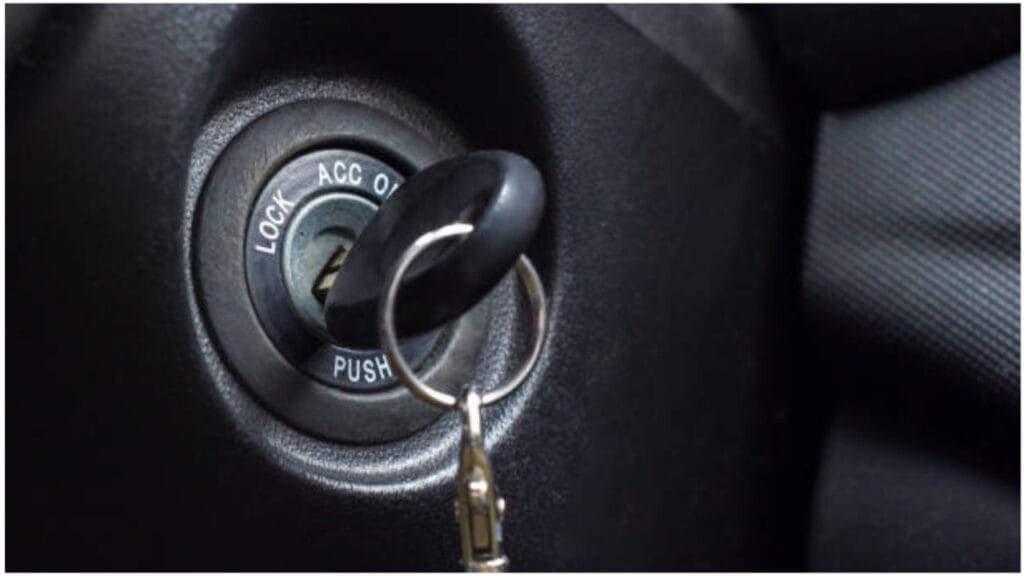
Try this DIY test before replace. Park safe. Set parking brake. Find starter near transmission (check manual). Helper turns key to start. Tap starter body (not solenoid) with hammer or wrench - knock-door force.
- Safety: Gloves, eye gear, disconnect battery cable, no hard hits.
- Vibration frees stuck brushes or carbon on commutator.
- Unsticks Bendix gear for temp crank.
- If starts, starter is bad—replace soon.
Don’t Let Car Troubles Stall Your Day - Turn to Firestone Complete Auto Care
We’ve all been there, right? You’re rushing to get somewhere, and suddenly your car won’t start. I know how frustrating that can be. I’ve had my fair share of car troubles, and it always feels like they come at the worst possible time. That’s when I always turn to Firestone Complete Auto Care - they’ve been a lifesaver for me!
They’ve got everything you could need, whether it’s a quick fix or something bigger. Their team of experts knows their stuff. I’ve had them check out everything from my battery to the starter, and they’ve always been honest and reliable. I don’t have to worry about any surprises - they get the job done right.
Next time your car decides to act up, don’t stress about it. Just head over to Firestone, and they’ll take care of everything. You can get back to your day and not even miss a beat.
Starter Solenoid Specifics and Symptoms
Solenoid switches high amps during crank. Contacts burn from arcing. Weak click means upstream faults like neutral safety switch (autos) or clutch switch (manuals). Strong click with no crank means motor fail.
- Multiple rapid clicks: Low battery voltage.
- Grinding: Bendix not retract.
- Whirring: No engage.
- Scan codes: P1600, P0620, P0606.
- Other signs: Slow crank, no sound, burn smell, battery drain.
The Ignition Switch Could Be Failing
Alright, so we’ve already checked the battery, starter, and terminals, but there’s one more thing to think about when your car just clicks and won’t start - the ignition switch. It’s easy to overlook but trust me, I’ve seen it happen.
The ignition switch is what tells the starter to crank the engine when you turn the key. If it’s broken or starting to fail, it won’t send that signal like it’s supposed to. You might turn the key and hear nothing, or just that annoying click. It’s like the switch is giving up on you.
If you think it’s the ignition switch, it’s best to get it checked by a mechanic. Sometimes, it’s a small fix, but if you don’t catch it early, it could lead to bigger issues. So, don’t ignore it! If your car’s been acting up, the ignition switch might just be the culprit.
- Starts cold, fails hot.
- Dash lights flicker, no crank.
- Test: Multimeter at relay - needs strong pulse.
- No signal on solenoid wire means switch bad.
- Replace: Dash out (30-90 min), $100-300 total.
Step-by-Step Full Troubleshooting Flow
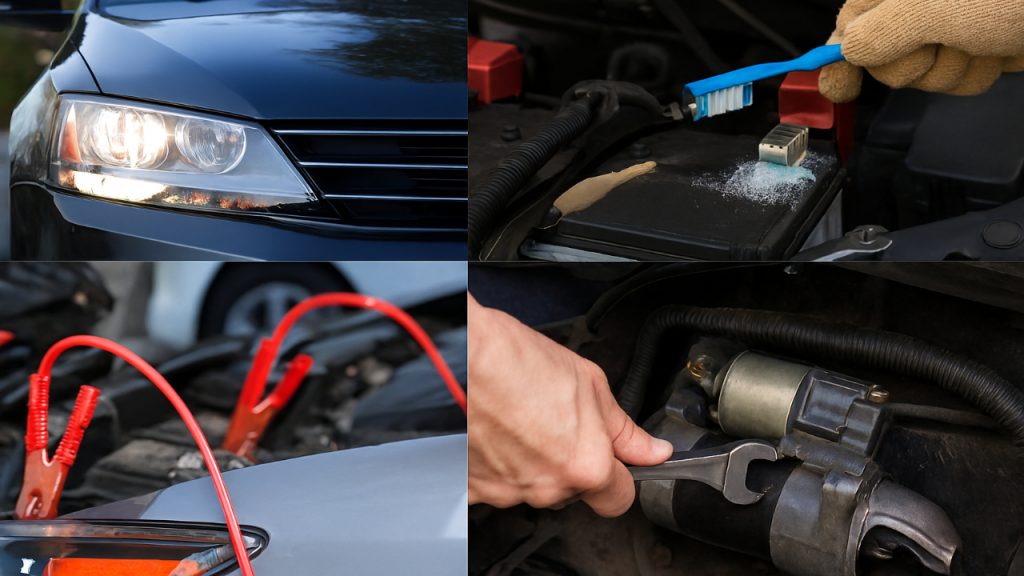
- Battery/Headlights: Dim? Charge/replace.
- Terminals: Corroded/loose? Clean/tighten.
- Jump-Start: Works? Battery issue.
- Starter Tap: Starts? Bad motor.
- Voltage Drop: <10V at starter? Wires/ground.
- Relay/Switch: Swap, scan codes.
- Pro Scan: OBD-II for ECM blocks.
- Autos: Test neutral switch. Manuals: Clutch switch. Load test battery.
Conclusion
So if your car’s not starting and all you hear is that one click, don’t freak out just yet. I’ve been in that spot, and trust me, it’s not as bad as it seems. It could be a weak battery, dirty terminals, or maybe even a starter that’s giving up. The good news is, that all of these are things you can check yourself, and honestly, it’s not too complicated.
I know how annoying it is when your car won’t start, especially when you’ve got somewhere to be. But once you know the basics - like checking the battery or making sure the cables are tight - it’s a lot easier to figure out what’s wrong.
And hey, if you can’t figure it out or you’re just unsure, it’s okay to take it to a mechanic. They’ve got the tools, and they can find out what’s going on with your car. I’ve done that before, and it’s saved me a lot of stress.
But here’s the thing: don’t wait too long. If you’re not sure, get it checked. The sooner you catch the problem, the easier it is to fix. And if it’s something simple, you can take care of it without breaking the bank.
Common FAQ
Slow clicking when trying to start car means low battery power. The starter solenoid clicks fast but can't crank. Check voltage - under 12V? Charge or replace battery. Clean corroded terminals. Jump-start tests it. Weak cells fail in cold. Fix quick to avoid stranding.
Clicking sound when starting car cold points to weak battery. Cold thickens oil, drains power fast. Starter solenoid clicks but won't crank. Test headlights - dim? Jump-start works? Charge fully or replace old battery. Clean terminals too. Happens more in winter. Fix now, drive worry-free.
Yes, a single click often means starter trouble. Battery good? Terminals clean? Solenoid engages but motor won't spin. Tap starter - cranks? It's failing. Weak brushes or stuck Bendix. Replace soon. Rules out battery first. Common fix, no tow needed.