

The smooth process of an engine depends heavily on how well its moving parts - like pistons, valves, and crankshafts - work together. But when these components rub against each other, friction builds up, leading to wasted power, higher fuel consumption, and faster wear.
Over time, this can cause inefficiency and expensive repairs. That’s why reducing friction has become a top priority for automotive engineers. One of the most effective solutions is the use of engine friction reducers - exclusive additives and lubricants designed to minimize resistance, protect vital components, and boost overall performance.
What Are Engine Friction Reducers?
Engine friction reducers are additives or lubricants formulated to reduce friction within an engine. These products can either be added directly to the engine oil or come as part of a fully synthetic oil blend.
Their main purpose is to enhance the lubricating properties of the oil, allowing engine parts to move more smoothly, reducing energy loss, and lowering wear.
By forming a protective layer between engine components, these friction reducers can significantly decrease the friction caused by metal-to-metal contact. This results in improved fuel efficiency, quieter operation, and longer engine life.
Types of Engine Friction Reducers
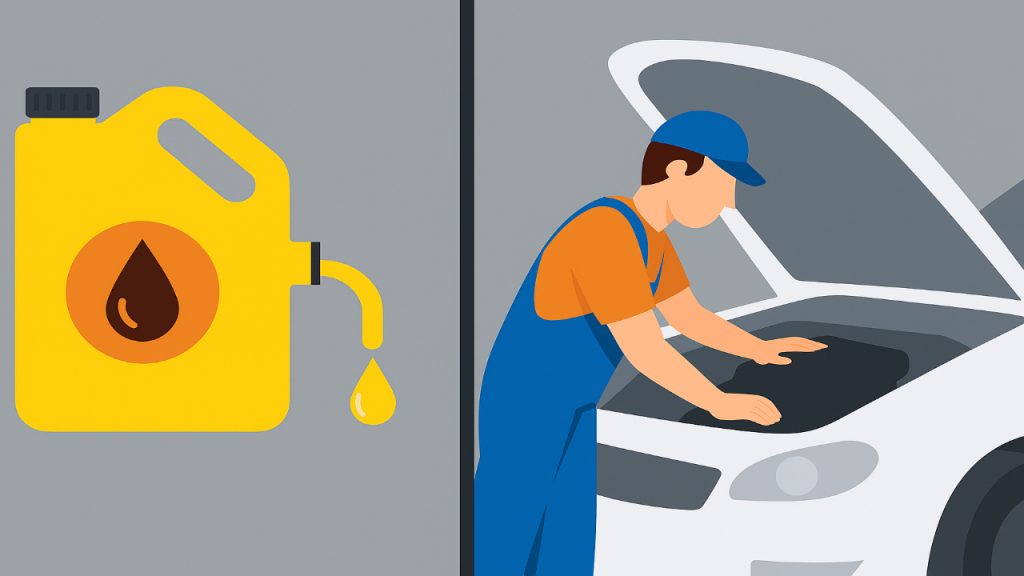
There are two main types of engine friction reducers: oil - based and ceramic - based. Oil -based friction reducers are the most common and are usually added to motor oils in the form of additives.These additives typically contain various chemicals, such as molybdenum disulfide or graphite, which create a slippery surface to reduce friction.
Some also contain advanced nano-particles that bond to engine components, forming a thin, durable protective layer.On the other hand, ceramic-based friction reducers are relatively newer on the market and are designed to create a ceramic coating on engine parts.
Popular Engine Friction Reducer Brands
Several well-known brands produce high-quality engine friction reducers that are trusted by car enthusiasts and mechanics alike. One of the most popular is Liqui Moly, a German brand known for its high-performance lubricants and additives.
Their Ceratec Friction Modifier is a widely recognized product for reducing friction and enhancing engine protection.
Another reputable brand is Red Line, which offers Engine Oil Additive, designed to reduce friction and increase the oil’s lubricating properties.STP and Lucas Oil also offer friction-reducing additives that are popular for their reliability and performance.
How Engine Friction Reducers Improve Performance

Engine friction reducers have a direct impact on vehicle performance. By reducing friction, the engine can operate more efficiently, which often results in better fuel economy.
This is particularly noticeable in older engines or high - mileage vehicles that may experience more friction due to worn - out components.
When the friction between moving parts is minimized, the engine requires less energy to perform the same work, translating into improved fuel efficiency.
Benefits of Using Engine Friction Reducers
The benefits of using engine friction reducers extend beyond just performance gains. First and foremost, they reduce engine wear, which means parts like pistons, valves, and bearings last longer.
This leads to fewer repairs and a longer lifespan for the engine. Friction reducers can improve engine power output, as less energy is lost to friction, allowing more power to be delivered to the wheels. Another key advantage is the reduction in engine noise.
Engine Friction Reducers and Fuel Efficiency
Fuel efficiency is a major concern for most drivers, and friction reducers can play a significant role in improving it. By lowering friction between the moving parts of an engine, the engine can operate more efficiently, requiring less fuel to achieve the same performance levels.
This is especially true for high-mileage vehicles, where friction becomes more pronounced as parts wear over time. In some cases, users have reported fuel savings of up to 5% to 10% after using friction-reducing additives.
How to Choose the Right Friction Reducer
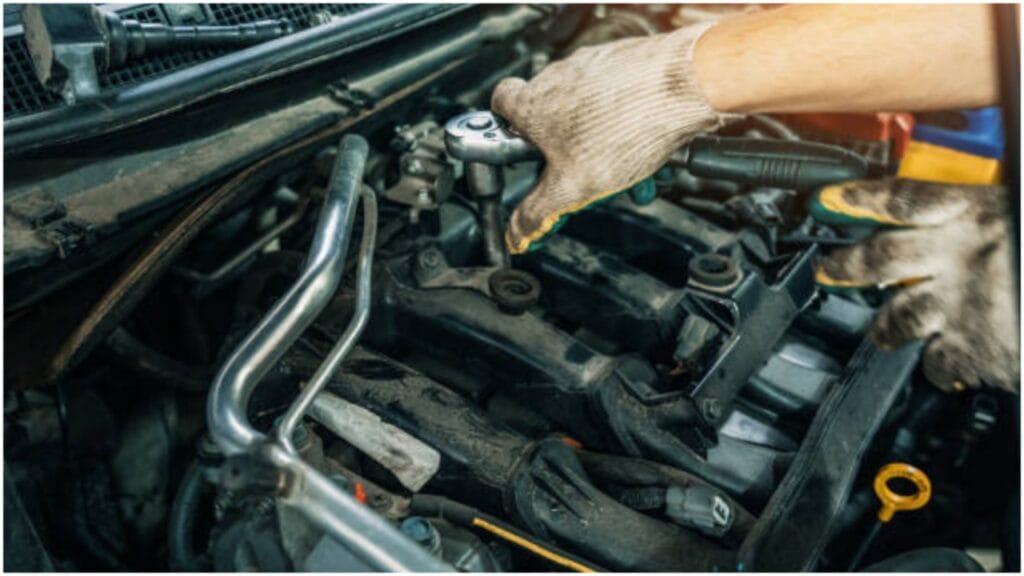
Choosing the right friction reducer for your engine depends on several factors, including the type of engine you have, the age of the vehicle, and your driving habits.
For modern, high-performance engines, ceramic - based friction reducers might be more beneficial due to their high-temperature resistance and durability.
On the other hand, oil - based friction reducers are typically suitable for daily drivers and older vehicles. It’s also important to check the product's compatibility with your engine’s existing oil and the manufacturer’s recommendations.
Potential Risks of Overusing Friction Reducers
While friction reducers can provide significant benefits, overusing them can have negative consequences. Adding too much friction reducer can lead to improper lubrication, which can cause excessive engine wear.
Some friction reducers contain compounds that could be too aggressive for certain engine components if used in large quantities.
For example, molybdenum disulfide, one of the key ingredients in many friction reducers, can create too slick of a surface if overused, leading to oil starvation in certain areas.
Always follow the manufacturer’s guidelines on how much to use, and avoid exceeding the recommended dosage.
Conclusion
Engine friction reducers deliver more than just smoother performance - they help extend engine life, improve fuel economy, and reduce costly wear. By forming protective layers that cut down on metal - to - metal contact, these products allow engines to run more efficiently and with less noise.
The key is choosing the right type for your vehicle and following the recommended usage to avoid over - application. Whether you drive a high - performance sports car or a well - worn commuter, the right friction reducer can make a noticeable difference, giving you a quieter, more efficient engine that lasts longer and performs better.
Common FAQ's
A friction modifier additive is a specialized engine oil treatment designed to reduce metal-to-metal contact, improve lubrication, and enhance fuel efficiency. By forming protective layers, it minimizes wear, lowers noise, and extends overall engine life for smoother performance.
The amount of friction modifier to use depends on your engine and oil type. Always follow manufacturer guidelines, as overuse can harm lubrication. Typically, one bottle per oil change is sufficient to reduce wear and improve efficiency safely.
A friction modifier for limited slip differential is a vital additive that ensures smooth clutch engagement, prevents chatter, and reduces wear. By enhancing lubrication, it maintains proper traction, improves performance, and extends the life of differential components effectively.