

Premium fuel can reduce engine knock in many vehicles across the United States. Higher octane ratings make it more resistant to premature detonation. This directly addresses the root cause of knock-in engines that require or benefit from it.
Engine knock remains a frequent concern for American drivers. It produces a distinctive pinging or knocking sound, often during acceleration or under load. If left unaddressed, knock can lead to engine damage over time.
Many drivers ask whether switching to premium gasoline provides an effective solution. This comprehensive guide examines the topic in detail. It draws on principles from automotive engineering and reliable sources. The information is tailored to vehicles and fuel standards in the United States.
The national average price for regular gasoline (87 octane) is approximately $2.90–$2.92 per gallon. Mid-grade (89 octane) averages around $3.40 per gallon. Premium (91–93 octane) averages $3.80–$3.86 per gallon. Prices vary significantly by state. They tend to be higher in California and lower in states such as Texas and Oklahoma.
What Is Engine Knock (Detonation or Pinging)?
Engine knock occurs when the air-fuel mixture ignites improperly inside the combustion chamber. Normal combustion is controlled. The spark plug initiates ignition at the optimal moment. The flame front propagates smoothly. This process generates efficient power.
In contrast, knock involves uncontrolled ignition. Portions of the mixture detonate prematurely. This creates rapid pressure waves. These waves collide with the cylinder walls. The result is the characteristic metallic pinging sound.
Severe or prolonged knocks can cause damage. It may pit piston surfaces. It can break piston rings. In extreme cases, it leads to cracked components. Drivers most often notice knock during:
- Hard acceleration
- Climbing steep grades
- Towing heavy loads
- Operating in high temperatures
Additional symptoms include:
- Reduced engine power
- Increased fuel consumption
- Elevated engine temperatures
Detonation describes post-spark pressure waves. Pre-ignition is more severe. The mixture ignites before the spark. This can cause rapid and significant damage.
Knock relates directly to compression ratio and ignition timing. Higher compression ratios produce more power. However, they increase susceptibility to knock without appropriate fuel.
What Causes Engine Knock in US Vehicles?

Multiple factors contribute to engine knock in American cars and trucks. The following table summarizes common causes and the effectiveness of premium fuel:
| Cause | Description | Does Premium Fuel Help? |
|---|---|---|
| Low octane fuel | Fuel ignites too early under compression | Yes — primary benefit |
| Carbon deposits | Hot spots on pistons or valves trigger premature ignition | Temporary relief only |
| Elevated temperatures | Hot weather, traffic, or cooling system issues | Reduces severity |
| Incorrect ignition timing | Faulty tuning or ECU problems | No |
| Faulty knock sensors | Sensors fail to detect and correct knock | No |
| Poor fuel quality | Contaminated or degraded gasoline | Yes — premium often higher quality |
| Heavy vehicle loads | Towing trailers or hauling cargo | Partial help |
| Worn spark plugs | Incorrect heat range or fouling | No |
| Lean air-fuel mixture | Excessive air relative to fuel | No |
| High altitude | Thinner air in mountainous regions | Partial help |
| Engine modifications | Aftermarket turbos or performance tunes | Often required |
Summer heat exacerbates knock in states such as Arizona, Texas, and Florida. Temperatures frequently exceed 100°F. Urban traffic in cities like Los Angeles and Atlanta prolongs engine heat soak.
Many US pickup trucks and SUVs tow regularly. This increases cylinder pressure. Older vehicles accumulate carbon deposits from short trips. These deposits act as ignition points.
How Octane Rating Works in the United States
Octane rating quantifies a fuel's resistance to knock. Higher ratings indicate greater stability under heat and pressure. The fuel resists auto-ignition until the spark occurs.
US standards include:
- Regular: 87 octane
- Mid-grade: 89 octane
- Premium: 91–93 octane (some stations offer 94)
Higher-compression engines require premium fuel. Turbocharged and supercharged engines fall into this category. They generate elevated cylinder pressures for increased performance.
Vehicles that typically require or recommend premium include:
- Ford Mustang GT
- Chevrolet Camaro
- Many BMW and Audi models
- Subaru WRX
- Certain Ford F-150 EcoBoost variants
Vehicles designed for regular fuel include:
- Honda Civic
- Toyota Camry
- Most base-model SUVs
For optimal engine cleanliness, select Top Tier gasoline. Licensed brands meet higher detergent standards. Common Top Tier retailers include Chevron, Shell, Exxon, Mobil, Costco, and 76.
Does Premium Fuel Actually Reduce Engine Knock?
Premium fuel reduces engine knock effectively when insufficient octane is the primary cause. It excels in high-compression, turbocharged, or supercharged engines. These designs demand 91+ octane to prevent detonation.
In naturally aspirated engines, premium provides temporary relief for knock induced by carbon deposits, extreme heat, or substandard regular fuel. Most vehicles manufactured after 2000 incorporate knock sensors.
These sensors detect vibration. The engine control unit retards ignition timing to protect components. This safeguard prevents damage but sacrifices power and efficiency.
Using premium fuel eliminates the need for timing retardation. Full performance is restored. Drivers in warmer regions often report knock cessation after one tank of premium. Carbon-related knock typically returns without addressing deposits directly.
Benefits of Premium Fuel
Premium gasoline offers several advantages:
- Rapid suppression of knock in susceptible engines
- Restoration of designed power output
- Smoother operation under load
- Enhanced protection during high-temperature conditions
- Potential minor fuel economy improvement in recommended vehicles
- Greater stability for modified engines
Drawbacks of Premium Fuel
Consider these limitations:
- Higher cost — approximately $0.90 more per gallon nationally
- No performance or efficiency gains in regular-fuel engines
- Inability to remove existing carbon deposits
- Potential waste if knock originates from mechanical issues
- Slightly reduced availability in rural areas
Long-term use is economical only when specified by the manufacturer.
Comparison: Regular vs. Premium Gasoline

| Aspect | Regular (87 Octane) | Premium (91–93 Octane) |
|---|---|---|
| Average Price (Feb 2026) | ~$2.90–$2.92 per gallon | ~$3.80–$3.86 per gallon |
| Knock Resistance | Adequate for standard engines | Superior for high-compression engines |
| Ideal Applications | Daily drivers and base models | Performance and turbocharged vehicles |
| Power Delivery | Standard | Full potential when required |
| Fuel Economy | Normal | Possible slight improvement in specified engines |
Common Myths About Premium Gasoline
Several misconceptions persist:
- Myth: Premium fuel cleans engines and removes carbon. Fact: It lacks sufficient detergents for deep cleaning.
- Myth: Premium is always superior. Fact: It provides no benefit in engines designed for regular.
- Myth: Premium eliminates all engine noises. Fact: It targets only detonation-related pinging.
- Myth: A few tanks cure carbon-induced knock permanently. Fact: Relief is temporary.
- Myth: Premium increases power universally. Fact: Gains occur only in high-compression designs.
- Myth: All gasoline is identical. Fact: Top Tier formulations contain superior additives.
Alternatives to Premium Fuel
Address underlying causes for sustainable results:
- Professional carbon cleaning (e.g., walnut blasting)
- Fuel system additives or octane boosters (short-term)
- Scheduled spark plug replacement
- Air filter maintenance
- Regular oil changes
- Cooling system service
- Periodic highway driving to elevate temperatures safely
- Consistent use of Top Tier gasoline
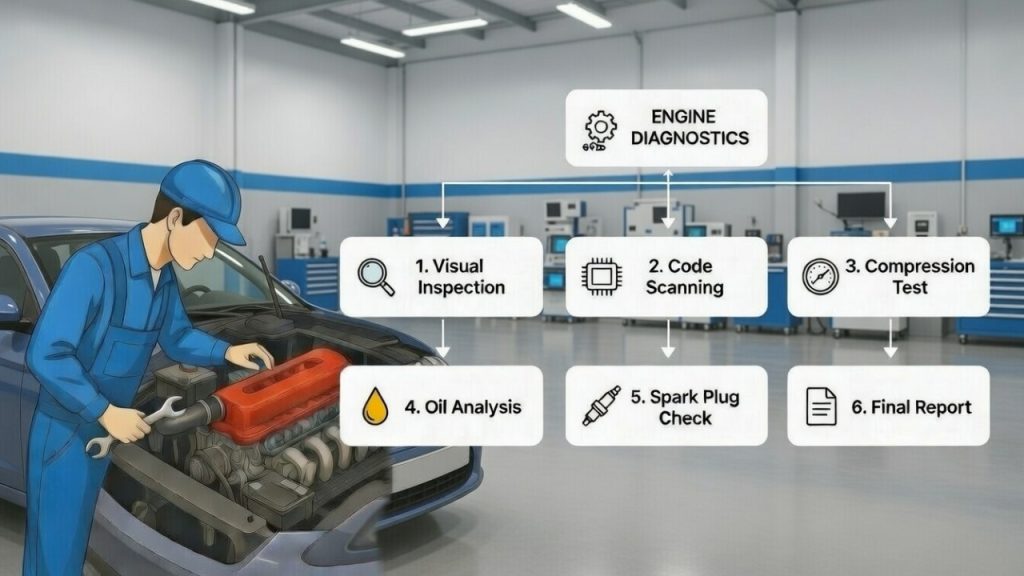
Persistent knock warrants professional diagnosis using scan tools.
When to Use Premium Fuel
Consult the owner's manual or fuel filler door label first. Categories include:
- Required: Mandatory for performance vehicles
- Recommended: Provides optimal efficiency
- Regular sufficient: No advantage from premium
Appropriate situations include:
- Extreme summer heat in southern states
- Towing or heavy hauling
- Performance-oriented driving
- Audible knock on regular fuel
- Engine modifications
- Suspected poor-quality regular fuel
Many drivers switch seasonally or for demanding tasks.
Self-Diagnosis of Engine Knock

Perform these steps:
- Identify conditions triggering the sound.
- Test one full tank of premium fuel.
- Monitor for resolution.
- Check for illuminated warning lights.
- Use an OBD-II scanner for diagnostic codes.
Seek professional evaluation if symptoms continue.
Conclusion
Premium fuel effectively reduces engine knock when higher octane addresses the issue directly. It proves most valuable in turbocharged, high-performance, or modified vehicles common in the US market. Temporary relief occurs in heat- or carbon-related cases.
It does not serve as a universal solution. Adhere to manufacturer recommendations. Maintain vehicles diligently. Select quality Top Tier gasoline. These practices ensure longevity, efficiency, and cost savings on American roads.
Relevante FAQ
Using premium fuel reduces engine knock by burning cleaner and more efficiently, minimizing pre-ignition. This lessens stress on knock sensors, delaying costly replacements. Stick to high-octane gas for smoother performance and longer sensor life - save money long-term!
Knock sensors boost engine performance by detecting vibrations from knock (pre-detonation). They signal the ECU to adjust timing and fuel, preventing damage while optimizing power and efficiency. Clean, functional sensors mean smoother revs, better MPG, and peak horsepower - essential for high-performance driving!
Engine knock is dangerous because it causes uncontrolled explosions in cylinders, hammering pistons and damaging bearings. Over time, it leads to cracked blocks, warped heads, and total engine failure - costing thousands in repairs. Act fast with premium fuel or tuning to avoid catastrophe!
A loud knocking noise from the engine signals detonation or mechanical issues like bad bearings. It stresses components, risks catastrophic failure, and slashes performance. Check spark plugs, fuel quality, or sensors ASAP - ignore it, and you're facing a blown motor and hefty repair bills!
Go Mechanic knock tuning fine-tunes your engine's ECU to eliminate knock, optimizing ignition timing and fuel maps. It boosts power, efficiency, and reliability without hardware swaps. Pros handle diagnostics, custom flashes - say goodbye to pinging and hello to smoother, stronger drives at a fraction of dealer costs!

Gerry is a certified automotive expert and founder of AutomotiveAH.com, specializing in vehicle maintenance, diagnostics, and engine systems, delivering trusted, research – driven automotive guidance.