
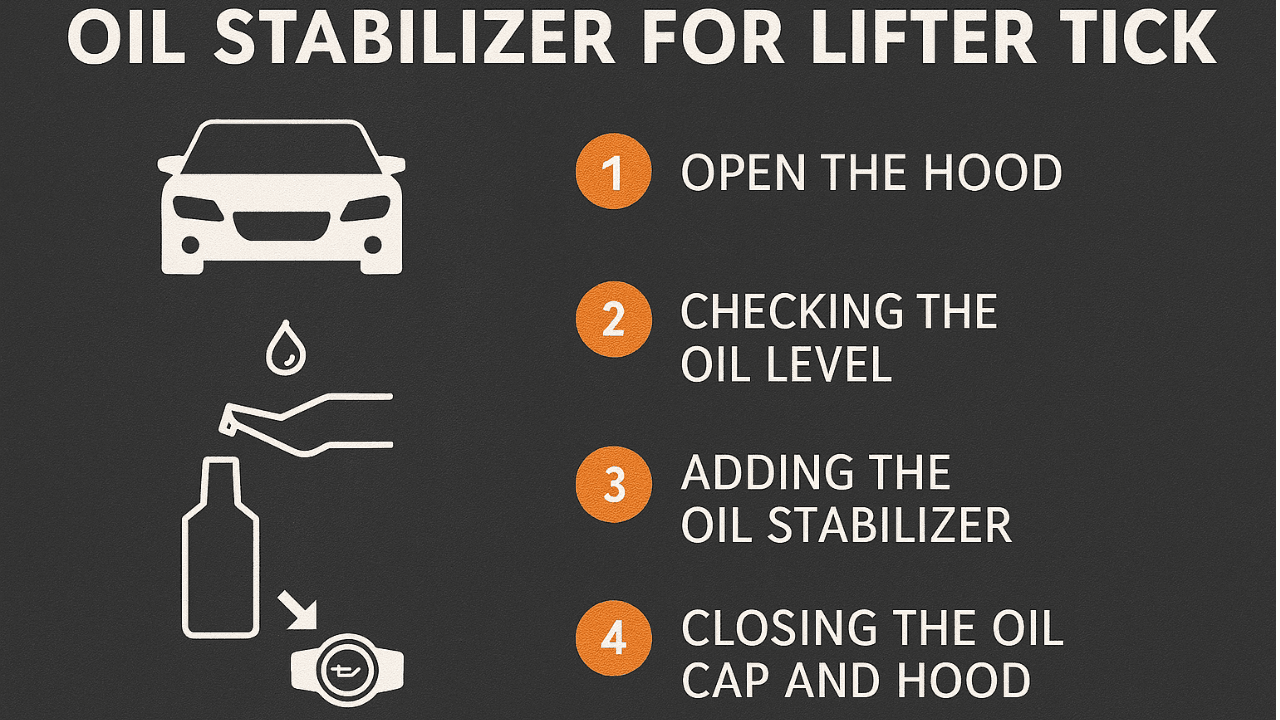
Lucas Heavy Duty Oil Stabilizer effectively addresses lifter tick in high - mileage engines by blending 100% petroleum - based additives that increase oil viscosity to 110 cSt at 100°C, raise oil pressure, and form a persistent lubricating film on valvetrain components.
This formulation reduces metal - to - metal contact in hydraulic lifters, minimizes friction -induced noise, and controls wear in gas or diesel applications, with optimal results at 20-60% concentration ratios. Technical data confirms compatibility with synthetic and conventional oils, lowering engine temperatures and extending oil life by at least 50%.
Understanding Lifter Tick: Causes and Symptoms
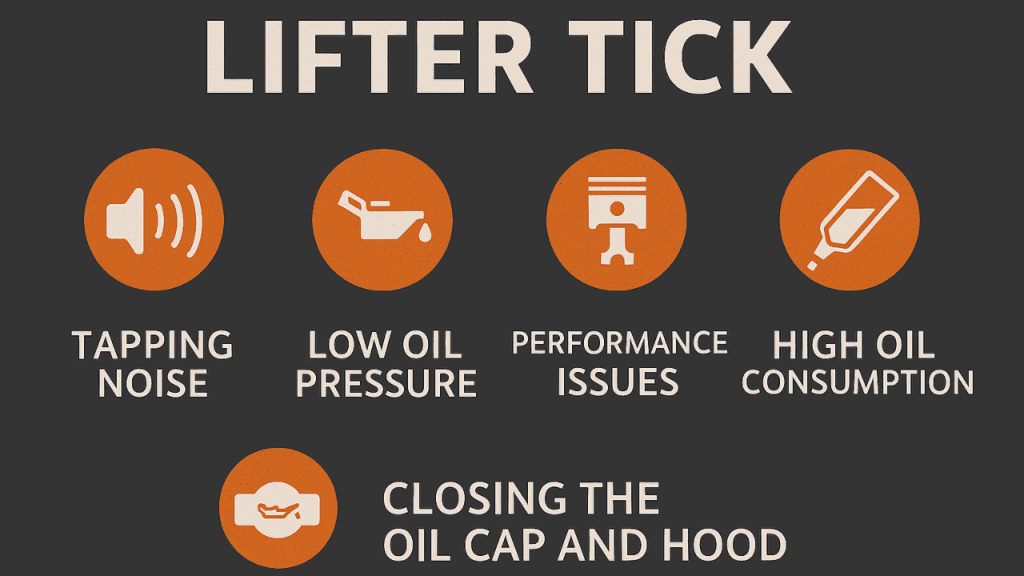
Lifter tick is a repetitive tapping sound caused by inadequate oil flow, worn hydraulic lifters, or sludge buildup. It intensifies with engine RPM and is common during cold starts or after delayed oil changes. Prompt diagnosis and proper lubrication are key to preventing long-term engine wear.
What Is Lifter Tick?
Lifter tick is a soft, Constant tapping sound you hear from the engine, usually caused by worn hydraulic lifters or poor oil circulation. It often shows up during cold starts or when oil pressure drops. If ignored, it can lead to bigger engine problems over time.
The Root Causes of Lifter Tick
Lifter tick stems from poor oil circulation, worn hydraulic lifters, or sludge buildup in the valvetrain. Contributing factors include low oil pressure, incorrect oil viscosity, and infrequent maintenance. These conditions disrupt lifter function, producing rhythmic ticking during engine operation.
How to Differentiate Lifter Tick from Other Engine Noises?
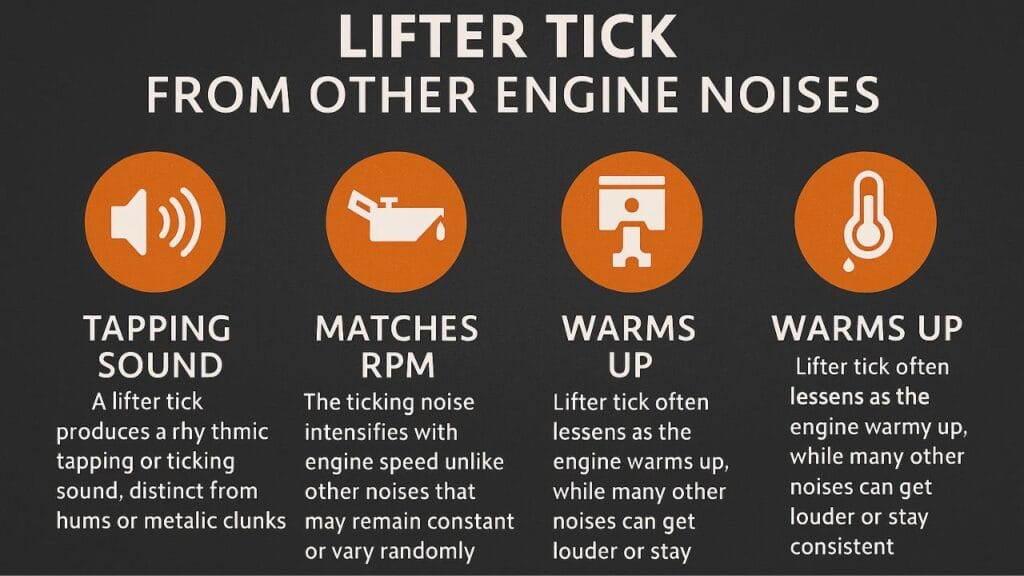
Lifter tick produces a light, rhythmic tapping that rises with engine RPM. Unlike deeper knocking or erratic clattering, it’s consistent and valve-train specific. It often appears during cold starts and fades as oil pressure stabilizes with engine warmth.
Lucas Oil Stabilizer: What It Is and How It Works
Lucas Oil Stabilizer is a thick, sticky oil additive made from petroleum. It protects engines by coating metal parts inside. This coating lowers friction and wear. It also helps old oil keep its strength. The engine runs smoother, makes less noise, and oil pressure improves. Many use it during oil changes to protect older engines and reduce oil burning.
Does Lucas Oil Stabilizer Fix Lifter Tick?
Lucas Oil Stabilizer can help quiet lifter tick noises. It does this by thickening the oil and raising oil pressure. Thicker oil fills small gaps in worn parts. This can make ticking sounds softer or stop them. It works best in older engines with mild or medium ticking. If lifters are broken or dry, this oil additive won’t fix them. It is only a temporary help or preventive measure.
How to Use Lucas Oil Stabilizer for Lifter Tick
- Let the engine warm up a little, then turn it off.
- Drain the old oil if it is dirty or dark.
- Add Lucas Oil Stabilizer equal to 20–25% of the oil volume in the crankcase.
- Fill the rest with fresh motor oil, like 5W-30.
- Start the engine and let it idle for 10–15 minutes to mix the oils.
- Drive normally and listen for less ticking over the next 200–500 miles.
Preparation Tips
Park the car on level ground. Let the engine cool a little. Wear gloves to stay safe. Have oil, oil filter, and stabilizer ready. Use clean tools to avoid dirt in the oil.
Extra Benefits of Lucas Oil Stabilizer
- Stops small oil leaks in seals.
- Lowers smoke from old engines.
- Keeps oil thicker at high temperatures.
- Works in gas and diesel engines.
- Helps cold starts by improving oil flow.
What to Expect
Noise usually gets quieter after a few drives. The oil sticks better to moving parts and protects them from wear. If noise stays the same, lifters might need repair or replacement. Lucas Oil Stabilizer helps but does not fix serious engine problems.
Alternatives to Lucas Oil Stabilizer for Lifter Tick

Several additives offer alternatives to Lucas Oil Stabilizer for addressing lifter tick. Products like Liqui Moly Hydraulic Lifter Additive, Marvel Mystery Oil, and Sea Foam Motor Treatment improve lubrication, dissolve sludge, and restore lifter function. Effectiveness depends on engine wear and oil condition. Always match the additive to your engine’s needs and manufacturer guidelines.
Other Additives
Other oil additives designed to address lifter tick include Liqui Moly Hydraulic Lifter Additive, Marvel Mystery Oil, Sea Foam Motor Treatment, and Rislone Engine Treatment.
These products enhance lubrication, dissolve sludge, and restore hydraulic lifter performance. Selection depends on engine type, oil formulation, and the severity of internal wear.
Mechanical Fixes
Mechanical solutions for lifter tick involve inspecting and replacing worn hydraulic lifters, adjusting valve lash, or cleaning clogged oil passages. In severe cases, camshaft or pushrod replacement may be necessary.
These repairs restore proper valvetrain function and eliminate persistent ticking. Diagnosis should be performed by a qualified technician to ensure accurate repair and long-term Integrity.
Preventive Maintenance Tips
Regular oil changes using high-quality oil and filters help prevent lifter tick. Monitor oil levels and pressure frequently. Use engine-safe additives to maintain lubrication and reduce wear.
Avoid extended idling and cold starts without warm-up. Follow manufacturer service intervals for valve adjustments and inspections to ensure long-term valvetrain health and quiet operation.
Best additive for lifter tick
Liqui Moly Hydraulic Lifter Additive is widely recommended for fixing lifter tick. It’s designed to clean oil passages and restore lifter function. Other top picks include Hot Shot’s Secret Stiction Eliminator and Marvel Mystery Oil. These additives improve lubrication, reduce friction, and quiet noisy lifters—especially in older or high-mileage engines.
Conclusion
Lucas Oil Stabilizer can significantly reduce or eliminate lifter tick by improving oil viscosity, enhancing lubrication, and dissolving deposits that restrict lifter movement. Its effectiveness depends on engine age, wear level, and maintenance history. When used correctly, it not only quiets noisy lifters but also extends component life, stabilizes oil pressure, and supports long-term engine reliability.
FAQ's
Yes, Lucas Oil Stabilizer is fully compatible with synthetic oil. It enhances lubrication, reduces wear, and improves engine performance.
Lucas Oil Stabilizer won’t damage your engine if used correctly. Overuse may cause the oil to thicken excessively, affecting flow and cold starts. Always follow the recommended dosage.
Lucas Oil Stabilizer may reduce lifter tick within a few hours to several days of driving. Results depend on engine condition, oil flow, and the severity of lifter wear or blockage
Lucas Oil Stabilizer is an oil additive that enhances lubrication and reduces wear, while Lucas Fuel Treatment is a fuel additive that cleans injectors, improves combustion, and boosts engine efficiency.
High-quality synthetic oils with cleaning agents, like Mobil 1 or Royal Purple, often reduce lifter tick by improving lubrication and flow.
Before using Lucas Oil Stabilizer, engines may suffer from ticking, low oil pressure, or wear. After treatment, lubrication improves, lifter noise often decreases, and overall engine performance and protection are enhanced.
Lucas Oil may temporarily quiet lifter tick by boosting oil thickness, but it won’t fix worn lifters or low oil pressure—see a mechanic for a lasting solution.
Lucas Hydraulic Lifter Additive cleans valves, reduces lifter noise, and restores oil flow. It’s a temporary fix—persistent ticking needs professional diagnosis for worn lifters or low oil pressure.
The best oil stabilizer for lifter tick is Liqui Moly Hydraulic Lifter Additive. It cleans and lubricates lifters, reducing noise. Marvel Mystery Oil and Lucas Heavy Duty Oil Stabilizer also work well for noisy lifters.

Gerry is a certified automotive expert and founder of AutomotiveAH.com, specializing in vehicle maintenance, diagnostics, and engine systems, delivering trusted, research – driven automotive guidance.