
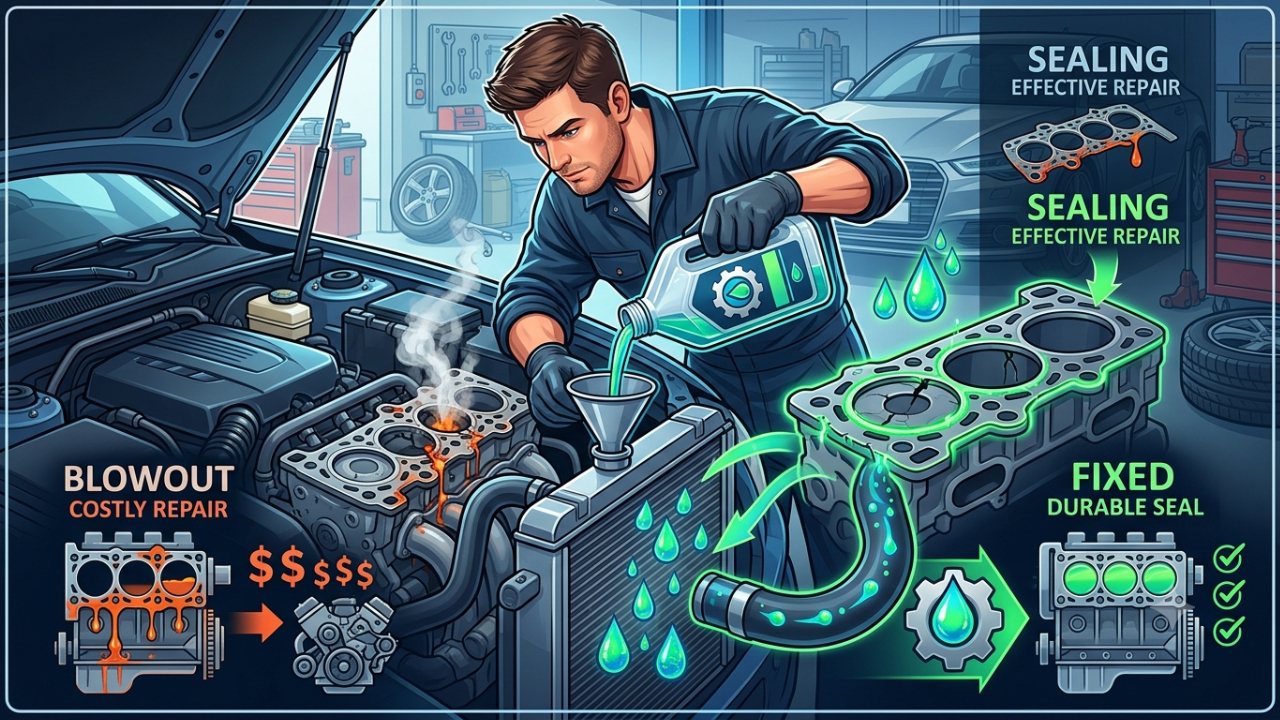
I think you notice the engine overheating, white smoke from the tailpipe, milky oil on the dipstick, or coolant disappearing with no visible leaks. Mechanics quote $1,000 to $4,000 or more for a full repair.
Sometimes, some head gasket sealers that really work can save the day as a smart, affordable fix-especially if you catch the problem early. In this guide, I’ll break down exactly which ones deliver results in 2026, based on real tests, user stories, and mechanic feedback. Not all bottles are created equal, and I’ll show you the differences so you can choose wisely.
Whether you drive an older car, a BMW, a Subaru, or a truck, this article covers everything: how they work, step-by-step instructions, pros and cons, and honest advice. Let’s get your engine sealed up and back on the road.
What Is a Head Gasket and Why Does It Fail?
Think of the head gasket as a thin, tough seal sandwiched between your engine block and the cylinder head. It keeps three things separate: high-pressure combustion gases, coolant, and oil. Without it working perfectly, everything mixes, and chaos follows.
Common reasons it fails:
- Overheating (the #1 killer)
- Old age and wear
- Poor maintenance or wrong coolant mix
- Warped heads from extreme heat
Ignore the warning signs, and you risk hydrolock (engine flooded with coolant) or total engine failure. But for small cracks or leaks, the right head gasket sealer can often seal things up without tearing the engine apart.
How Do Head Gasket Sealers That Really Work?
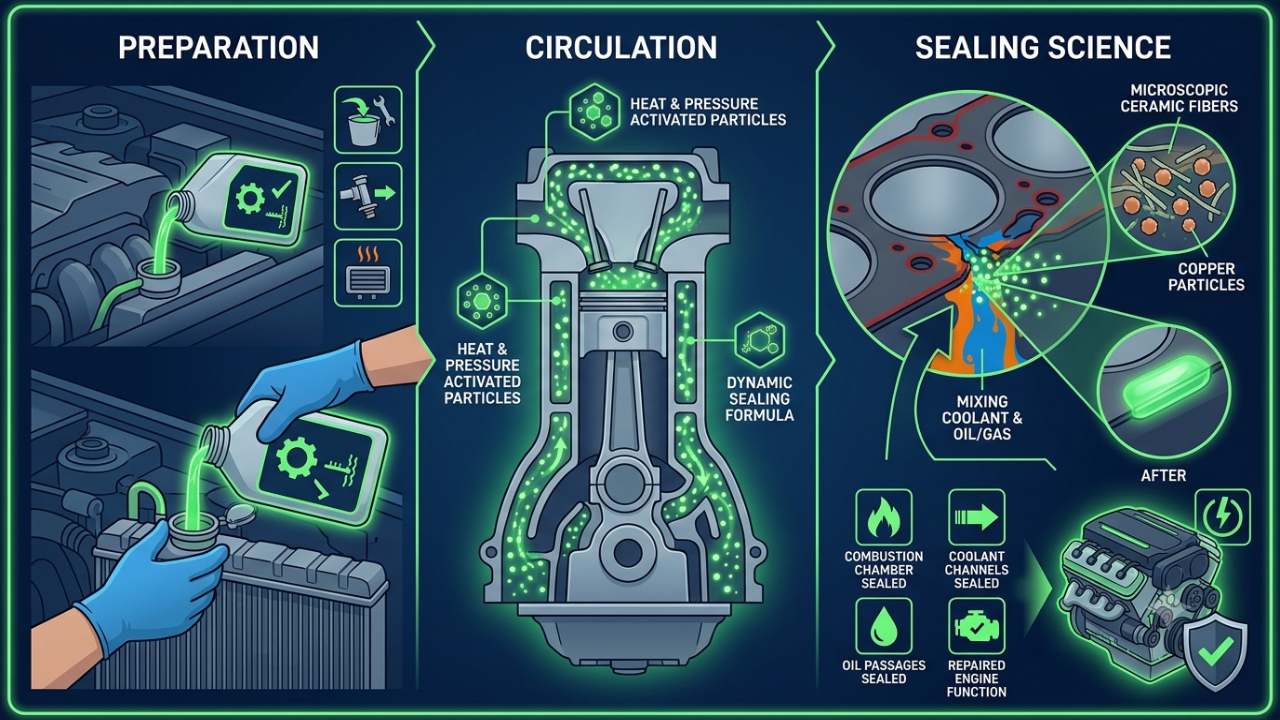
These products aren’t magic, but good ones use smart chemistry. Many contain tiny particles (ceramic or fibers) or compounds like sodium silicate that react to heat and pressure inside the engine. They flow through the cooling system, find the leak, and harden into a tough seal exactly where needed.
Main types:
- Pour-and-go liquids - Super easy for beginners.
- Fiber-reinforced - Extra strength for bigger leaks.
- Thermochemical formulas - Like Steel Seal, which creates a cleaner, more permanent bond.
You simply add them to the coolant. Drive as directed, and they circulate until they find the problem spots. Results vary: mild leaks often get fixed for months or even years. Severe damage? It might only buy you time until a proper shop repair.
Realistic talk: These are not always a forever fix, but many people successfully use them to keep beloved cars running without big bills.
Top 8 Best Head Gasket Sealers That Really Work in 2026
Here’s a quick comparison table, then details on each.
| Product | Best For | Rating | Longevity |
|---|---|---|---|
| Steel Seal | Permanent repairs | 4.8 | Years |
| BlueDevil | Severe leaks | 4.7 | Long-term |
| K-Seal Pour & Go | Value & ease | 4.6 | Months–years |
| Bar's Leaks | Emergencies | 4.4 | Short–medium |
| CRC Head Gasket Sealer | Reliable daily use | 4.5 | Good |
| K&W FiberLock | Fiber strength | 4.3 | Medium |
| Permatex | General use | 4.2 | Varies |
| Others (vehicle-specific) | BMW/Subaru etc. | - | Varies |
1. Steel Seal Blown Head Gasket Repair: Top pick for many in 2026. This clear liquid uses a thermochemical reaction to cleanly seal cracks in gaskets or heads. Great for cars, trucks, and SUVs. Users and tests report strong, lasting results without much mess. Ideal if you want something closer to permanent.
2. BlueDevil Head Gasket Sealer: Excellent for tougher leaks. Non-particulate formula bonds directly to metal. It handles blown gaskets, warped heads, and even heater cores. Popular in long-term tests-many report it lasting well when instructions are followed.

3. K-Seal ST3501 Pour & Go: Best bang for your buck. One-step, multi-purpose, and beginner-friendly. Works on most vehicles and earns solid praise in reviews for stopping coolant leaks quickly.
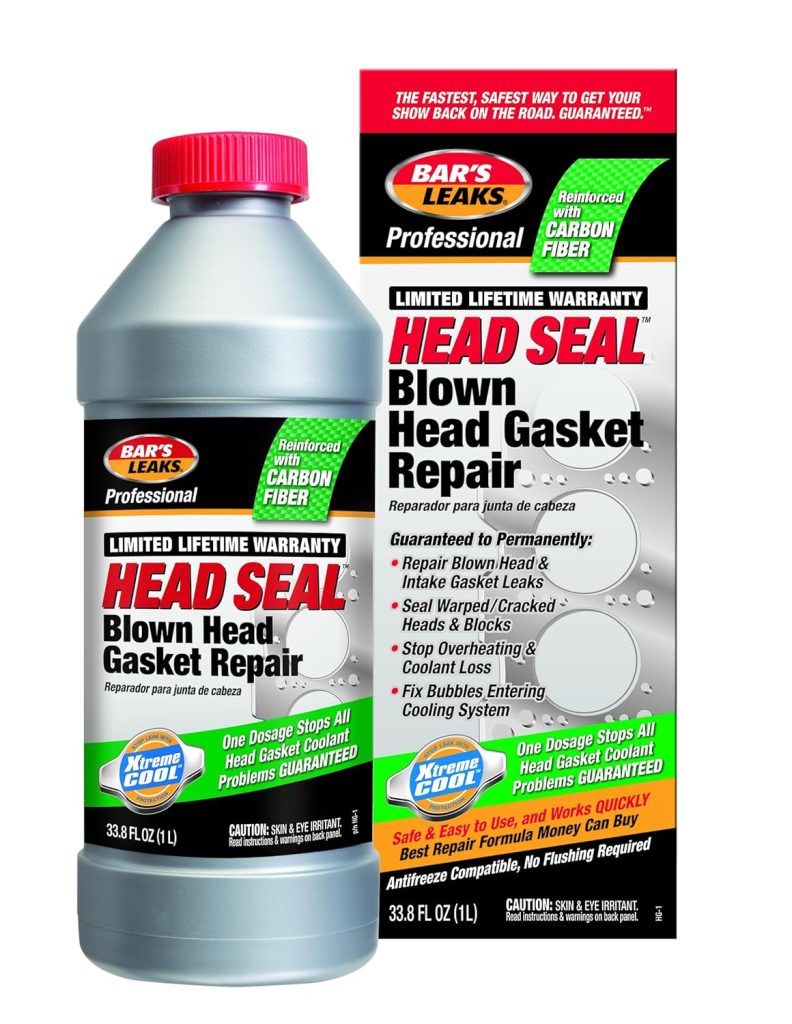
4. Bar's Leaks Head Gasket Fix: Affordable and easy to find. Good emergency option for small issues. It has helped many older cars limp along, though some note it may need reapplication.
5. CRC Head Gasket Sealer: Often called military-grade in user circles. Strong performer in side-by-side tests like ChrisFix videos. Reliable for daily drivers.
(The rest follow similar patterns-choose based on your vehicle and leak severity.)
Head Gasket Sealer Comparison: What Makes Them Work (or Fail)
Effectiveness depends on leak size, engine material (aluminum vs. cast iron), and following directions. BlueDevil and Steel Seal shine on bigger problems; K-Seal wins for simplicity.
Forum threads (like Bimmerforums) show mixed BMW experiences-success on mild cases, less so on neglected engines. Independent tests (ChrisFix 2-year review, others) confirm some products seal better and last longer than others. Always flush the system properly to avoid issues.
Step-by-Step: How to Use Head Gasket Sealer Correctly
- Diagnose First - Use a compression tester or chemical block tester to confirm it’s the head gasket.
- Prepare - Drain and flush the cooling system. Use the right coolant mix.
- Add the Sealer - Pour in while the engine is cool (follow bottle exactly).
- Drive - Idle then drive as directed (usually 15–50 miles) to let it circulate and set.
- Monitor - Check for leaks and temperature over the next days/weeks. Flush and reapply if needed.
Change oil if it’s contaminated. Don’t overuse-more isn’t always better. Avoid if the engine has major mechanical damage.
Pros and Cons of Using Head Gasket Sealers
Pros:
- Cheap ($15–$70)
- Easy DIY-no special tools
- Can save a car that’s not worth a full repair
- Fast results on small leaks
Cons:
- Often temporary
- Risk of clogging passages if overused
- May make future repairs harder
- Not suitable for every failure
Honest disclaimer: These are great bridges to a proper fix or lifelines for high-mileage cars. They work best on mild issues.
Buying Guide: How to Choose Head Gasket Sealers That Really Work

Consider your vehicle age, mileage, leak severity, and budget. Match compatibility (gas/diesel, engine type). Skip unknown cheap brands. Buy from trusted spots like Amazon or AutoZone for fresh stock and returns.
Alternatives: Full professional head gasket replacement for long-term peace of mind.
Real User Reviews and Case Studies
Many Reddit and forum users report success with BlueDevil and K-Seal on daily drivers-cars running reliably for months or years after. Bimmer owners note variable results depending on how bad the gasket was.
YouTube long-term tests show some vehicles fixed for good, others needing eventual repair. Before/after stories often highlight stopped overheating and clean fluids.
Conclusion
Head gasket sealers that really work-like Steel Seal, BlueDevil, and K-Seal-can be game-changers when used right. They stop leaks, lower temperatures, and keep you driving without breaking the bank.
Always diagnose properly, follow instructions, and know the limits. For many folks, these products deliver real results in 2026. Got a specific car or symptoms? Drop a comment-I’m here to help point you in the right direction.
Drive safe, and may your engine stay cool!
FAQ's

Gerry is a certified automotive expert and founder of AutomotiveAH.com, specializing in vehicle maintenance, diagnostics, and engine systems, delivering trusted, research – driven automotive guidance.