

Oil leaks from your valve cover are annoying. They make a mess under the hood, leave spots on your driveway, and can get expensive if you ignore them. The right silicone for the valve cover gasket fixes this problem fast and keeps it fixed for a long time.
“Silicone for valve cover gasket” usually means RTV silicone sealant - that gooey stuff in a tube. RTV stands for Room Temperature Vulcanizing. It turns from paste into a flexible rubber seal at room temperature. You can use it alone to form a new gasket or as extra insurance with a pre-cut gasket.
This guide pulls together real advice from mechanics and auto sites. We checked what actually works in the real world: strong oil resistance, high heat tolerance, and flexibility that lasts through hot and cold cycles. You’ll find clear top picks, a simple comparison, step-by-step instructions, and answers to common questions. Let’s get your engine leak-free again.
Understanding Valve Cover Gaskets and the Role of Silicone/RTV
The valve cover sits on top of your engine. It keeps oil inside and dirt out. The gasket between the cover and the head stops leaks.
Over time, these gaskets fail. Heat cycles make them hard and brittle. Vibration shakes them loose. Old oil soaks in and breaks them down. Warped surfaces from overheating make gaps worse.
That’s where RTV silicone shines. Unlike stiff pre-cut gaskets, RTV fills small gaps and stays flexible. It moves with the engine as it heats up and cools down. It creates a custom seal every time.There are different types:
- Black RTV - best for maximum oil resistance.
- Grey RTV - great for high vibration and torque.
- Red RTV - handles extra-high temperatures.
- All good ones are sensor-safe so they don’t damage oxygen sensors or electronics.
Mechanics agree on one thing: for modern engines, you need good oil resistance, flexibility, and a formula that won’t eat sensors.
Key Factors to Consider When Choosing the Best Silicone for Valve Cover Gasket

Picking the right tube isn’t hard if you check a few things:
- Temperature rating - Look for at least 500°F continuous and 650°F for short bursts. Engines get hot!
- Oil and fluid resistance - It must handle engine oil, coolant, and transmission fluid without breaking down.
- Flexibility vs. rigidity - Flexible (black) for normal engines. More rigid (grey) for high-vibration setups.
- Sensor-safe formula - Non-corrosive is a must for today’s cars.
- Cure time - Most need 1 hour to skin over and 24 hours for full strength.
- Surface prep needs - Easy to use on clean metal or with pre-cut gaskets.
- Value - Bigger tubes or multi-packs save money if you work on multiple cars.
Keep these in mind and you’ll avoid cheap stuff that fails after a few months.
Top 7 Best Silicone / RTV for Valve Cover Gaskets in 2026
After looking at what mechanics recommend most, here are the standouts. Permatex shows up a lot because it’s reliable and widely tested.
1: Permatex Ultra Black Maximum Oil Resistance RTV (82180)
This is the favorite for most people. It’s black, super resistant to oil, and stays flexible. It sticks well even on slightly oily surfaces and handles heat cycles without cracking. Perfect for daily drivers and high-mileage engines. Mechanics call it the go-to for stopping valve cover leaks.

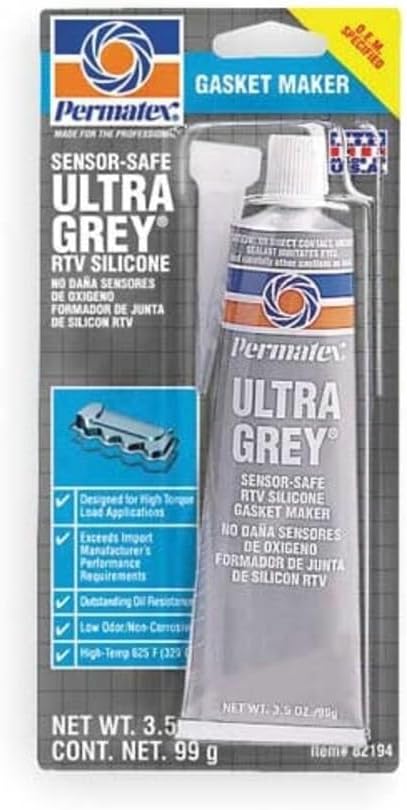
2: Permatex Ultra Grey Rigid High-Torque RTV (82194)
Grey color. It’s a bit more rigid, so it fights vibration and high torque really well. Great on modern aluminum engines where parts expand differently. Use this when your valve cover bolts get tightened hard.
3: Permatex Ultra Red High Temperature RTV (81630)
Red formula. Handles up to 650°F for short times. Good choice if your valve cover sits near hot turbo or exhaust parts.

4: Akfix HT300 High Temp Silicone Gasket Maker
This one takes heat well (up to around 600°F) and stays flexible. It’s waterproof and oil-resistant. Comes in convenient 2-packs - nice value if you do repairs often.
5: Mannol 9913 High-Temp RTV Gasket Maker
Quick curing, fills gaps nicely, and resists oil and chemicals. A solid pick when you need something fast and strong on uneven surfaces.
6: ABRO RTV Silicone Sealant
Budget-friendly black RTV. Good oil and fluid resistance. Works well for heavy-duty or quick fixes.
7: AUTOXBERT Ultra Black or similar generics
Decent alternative for basic jobs. Flexible and affordable, but check reviews for your specific engine.
Quick Tip: For 90% of cars, start with Permatex Ultra Black. It has the best mix of oil resistance and flexibility.
Side-by-Side Comparison Table for the best silicone
| Product | Color | Max Temp | Oil Resistance | Flexibility | Best For | Price Range |
|---|---|---|---|---|---|---|
| Permatex Ultra Black | Black | 500°F+ | Excellent | High | Most engines, daily drivers | Low-Medium |
| Permatex Ultra Grey | Grey | 500°F+ | Very Good | Medium | High-torque, vibration | Low-Medium |
| Permatex Ultra Red | Red | 650°F intermittent | Good | High | Near exhaust/turbo | Medium |
| Akfix HT300 | Varies | ~600°F | Very Good | High | High heat, value | Low |
| Mannol 9913 | Varies | High | Excellent | High | Gap filling, quick cure | Low |
Best Overall: Permatex Ultra Black - wins for most valve cover jobs.
How to Apply RTV Silicone to a Valve Cover Gasket – Step-by-Step

Doing it right is easy and prevents comebacks.
- Gather tools - RTV tube, plastic scraper, brake cleaner or acetone, rags, torque wrench.
- Clean everything - Remove the valve cover. Scrape off old gasket and crusty oil. Wipe with cleaner until surfaces are dry and oil-free. This step matters most!
- Apply the RTV - Put a thin, even bead (about 1/8 inch) on one surface, just inside the bolt holes. Add extra at corners and seams where leaks love to start.
- With or without a gasket - For no gasket: apply bead and assemble. With rubber gasket: put a small bead at corners and T-joints only.
- Assemble - Put the cover back on. Finger-tighten bolts first, then torque to your car’s specs.
- Cure time - Wait 1 hour for it to skin over. For best results, wait 24 hours before adding oil and starting the engine.
- Check - After a day or two of driving, re-check torque and look for leaks.
Take your time on cleaning and you’ll get a seal that lasts years.
Common Mistakes That Cause Valve Cover Leaks (and How to Avoid Them)
- Skipping proper cleaning → Always use solvent; don’t just wipe.
- Using the wrong product → Match oil resistance and temp needs.
- Not waiting for full cure → Don’t rush - 24 hours is safe.
- Over or under torquing → Follow factory torque specs exactly.
- Using metal scrapers or wire brushes → They scratch surfaces and cause new leaks. Use plastic only.
Avoid these and your repair will hold strong.
Pre-Formed Silicone Valve Cover Gaskets vs. RTV Sealants

Sometimes a ready-made silicone gasket works better. Brands like Fel-Pro or Vincos (especially for small-block Chevy) are reusable and easy on imperfect surfaces.
Use pre-formed gaskets when:
- Surfaces are badly warped.
- You want something quick and reusable.
Many people do a hybrid method: Install the rubber gasket and add RTV only at the corners and seams for extra insurance.
For popular engines:
- Small Block Chevy → Steel-core silicone gaskets work great.
- Chrysler 3.6L V6 → Look for complete sets that include intake gaskets too.
Choose based on your engine and how often you take the cover off.
Conclusion and Final Buying Recommendation
For most valve cover jobs in 2026, Permatex Ultra Black Maximum Oil Resistance RTV is the clear winner. It stops leaks, handles oil and heat, and stays flexible for years.
Match the product to your engine:
- Everyday car → Ultra Black
- Lots of vibration → Ultra Grey
- Extra hot spots → Ultra Red or Akfix HT300
Take time to clean well, apply a thin bead, and let it cure. Your engine will thank you with no more drips.
Keep an eye on your oil level and check for leaks after any work. A little prevention now saves big headaches later.
This guide was refreshed in 2026 with the latest mechanic consensus. Drive safe and enjoy that clean, dry engine bay!
Common FAQ's

Gerry is a certified automotive expert and founder of AutomotiveAH.com, specializing in vehicle maintenance, diagnostics, and engine systems, delivering trusted, research – driven automotive guidance.