
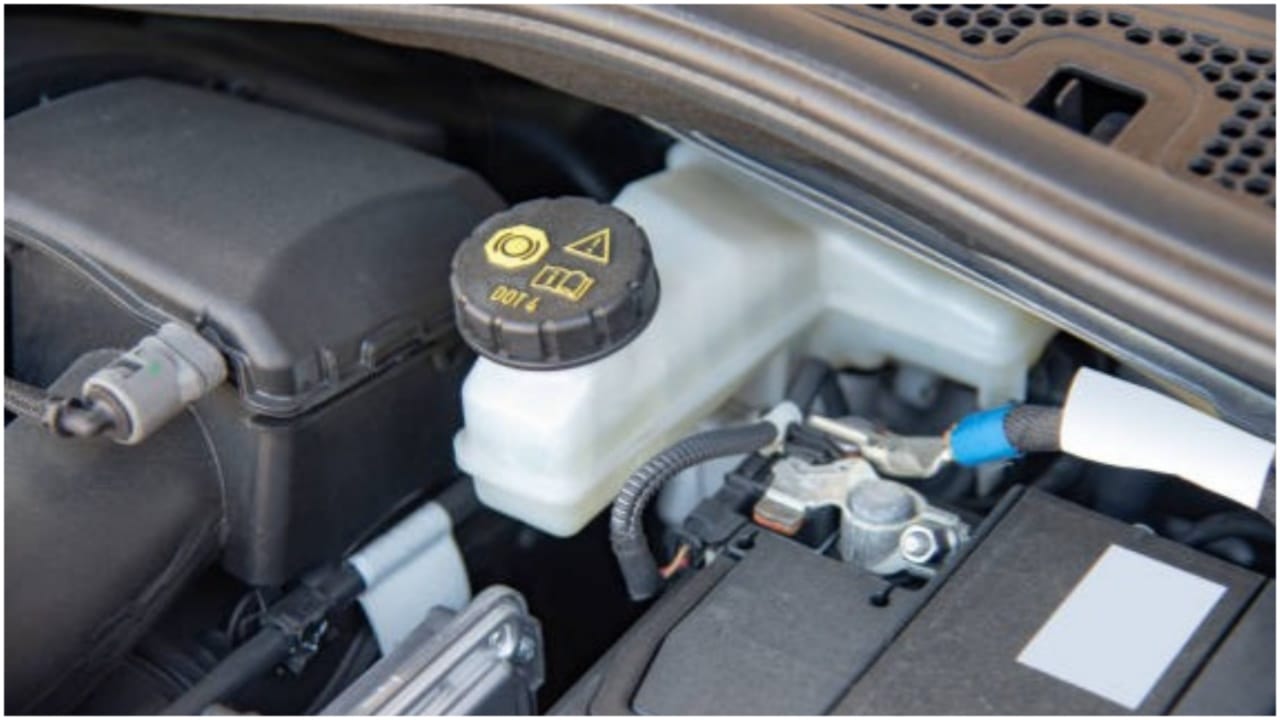
Coolant leaks after replacing the water pump frustrate many mechanics and DIYers. Common causes include bad gasket seals from excess sealant, uneven bolt torque, damaged hoses, trapped air pockets, dirty or corroded surfaces, wrong coolant types, stuck thermostats, and faulty radiator caps.
This guide covers fixes step by step: clean parts thoroughly, apply thin RTV, torque properly, bleed air, pressure test, and use OEM coolant to stop leaks fast.
Gasket Sealer Misapplication
Excess gasket maker sealant disrupts seals rather than enhancing them. Overapplication causes material to extrude under torque, contaminating mating surfaces and obstructing coolant passages.
Apply a thin, uniform bead only - typically 1-2 mm thick - following manufacturer guidelines for optimal adhesion without excess.
The Thermostat Trouble
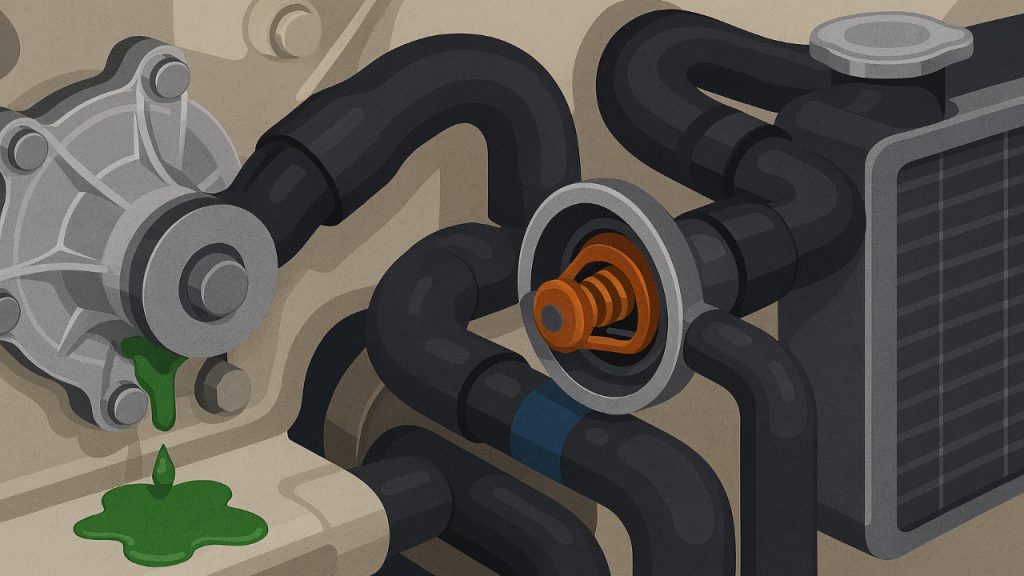
I’ve had this problem before - replacing the water pump can mess with the thermostat sometimes. If the thermostat's already a bit old or sticky, the new flow of coolant can make it act up.
When it gets stuck closed, it traps the coolant and builds up pressure, which can cause leaks around the pump or hoses. One way I’ve checked is by feeling the hoses when the engine's warmed up - if one’s hot and the other’s cold, that's a sign the thermostat's stuck.
Corroded Connections
Over time, the spot where the water pump bolts onto the engine can get rusty or have bits of the old gasket stuck to it. Even a little bit of that stuff can mess up the seal and cause coolant to leak out.
When this happened to me, I grabbed some sandpaper and a wire brush and cleaned the surface until it was nice and smooth. It took a little time, but it made a big difference in getting a good seal. If you’re still seeing leaks, it might be worth checking if rust or leftover gasket is getting in the way.
Coolant Compatibility
Incompatible coolants - such as mixing ethylene glycol-based green with OAT orange - form gelatinous precipitates that clog passages, erode seals, and mimic pump leaks.
Certain engines require specific formulations with corrosion inhibitors for bearings and elastomers. Consult the service manual for OEM-spec coolant; perform a complete system flush prior to refill with a 50/50 distilled water mix.
The Overflow Tank Illusion
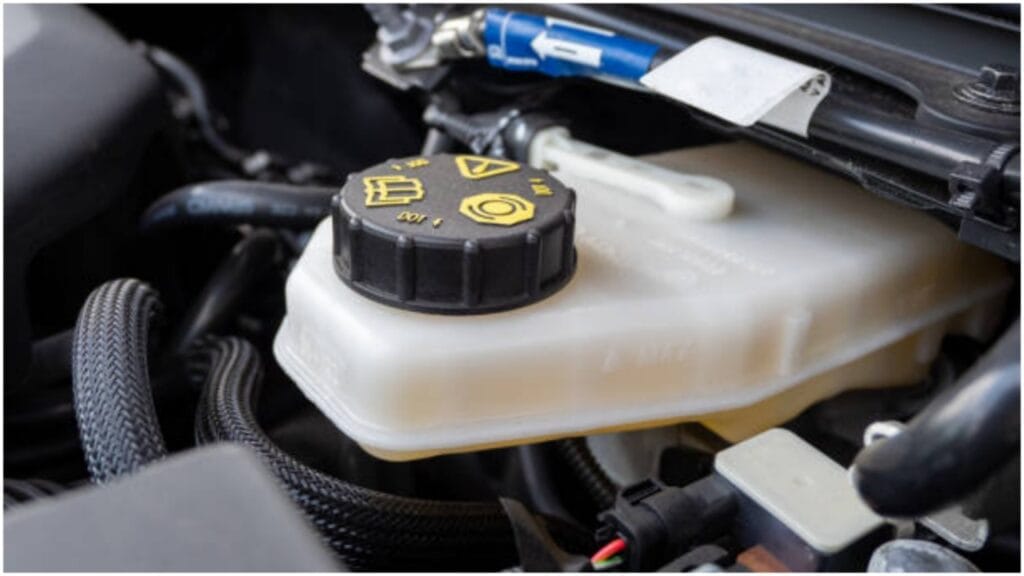
I’ve been tricked by the overflow tank a few times, thinking there was something seriously wrong when it was just the system doing its job. When the engine heats up, the coolant expands and moves into the overflow tank, which is normal.
It might look full, but that doesn’t always mean there’s a problem. But, here’s the thing - if it’s constantly overflowing or staying full, that could be a sign that something’s off, like a clogged radiator or a coolant leak.
I once found that a bad radiator cap was making the coolant back up into the overflow tank, and I had no idea until I looked closer. So, if your tank looks full, wait until the engine cools down and check the coolant level in the radiator.
Cold Leaks Versus Hot Leaks
When the engine’s cold, everything is under low pressure, so small leaks can be tricky to spot. I’ve had moments where I thought everything was fine, only to find out later that a tiny crack in a hose or gasket was leaking once the engine heated up.
That’s because, when the engine gets hot, the pressure builds, and the coolant has nowhere to go but out. If you notice coolant leaking after the engine’s warmed up, it’s a bigger deal. Hot leaks are usually more serious since the system is under higher pressure.
I’ve learned to check around the water pump, hoses, and gaskets when this happens. It’s definitely worth looking into right away, because a hot leak usually means there’s something wrong that needs fixing.
Keep the Radiator Clean
Keeping your radiator clean is extremely important. Dirt, insects, and even leaves can build up there and block airflow. I remember when my engine started running hotter than usual, and I couldn't figure out why.
Turns out, my radiator was clogged with all sorts of stuff! Now, what I do is check it often and give it a quick clean. A simple rinse with water or a blast of compressed air works wonders.
If there’s stubborn dirt, I’ll use a soft brush to get it out without damaging the fins. It doesn’t take long, but keeping the radiator clean helps keep the engine cool and running right. So, don't forget to clean your radiator occasionally.
Common signs of water pump failure
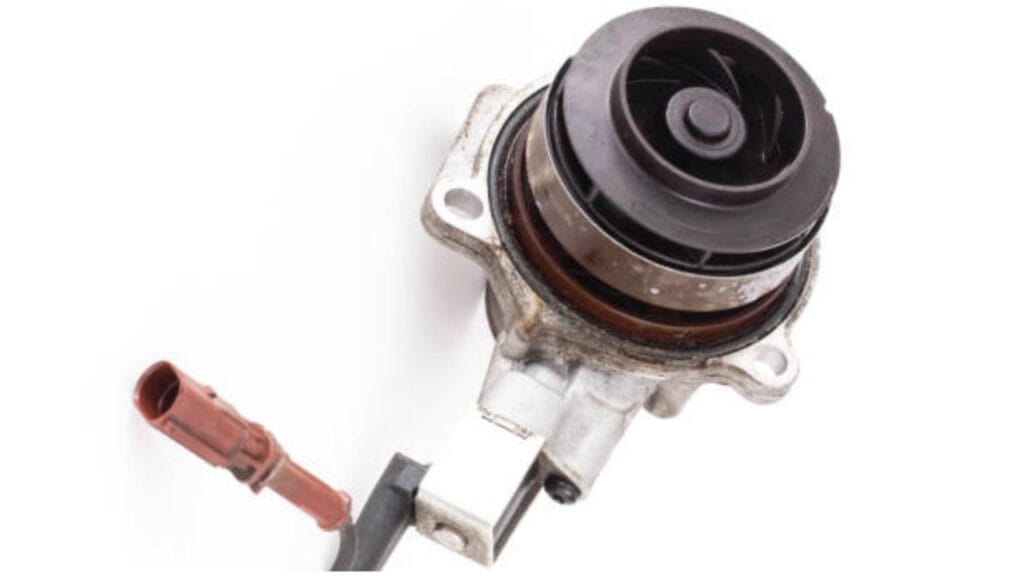
The first thing I noticed was the engine overheating. If the water pump isn't doing its job, the coolant isn't flowing properly and the engine gets very hot. I also started to see coolant leaking around the water pump, which was a big problem for me.
Then, I noticed strange noises. When the water pump goes bad, it can make a whining or grinding sound. This is a sure sign that the bearings inside could be failing.
And, of course, I've also had times when the car didn't have much power or the heater wasn't working properly. If you notice any of these signs, don't wait too long. It's best to replace the water pump without delay to avoid bigger problems in the future.
Conclusion
Having experienced this whole coolant leak thing myself, I can tell you that it’s not always as bad as it seems. Yes, it can be annoying when things don’t go according to plan, but most of the time, it’s just a small thing that needs fixing.
Whether it’s a gasket that’s not sealing properly, a small leak, or maybe some old coolant messing things up, taking a little time to check and fix it usually does the trick. I’ve had many moments where I thought I had a problem, but the key is to stay calm and keep looking.
So, if you notice a leak after replacing your water pump, don’t panic. With a little patience and a good look around, you can usually figure out what’s going on.
Common FAQ's
Coolant reservoir overfilled? Coolant expands when hot. No room left. Spills from overflow or cap. Extra pressure bursts hoses. Damages seals or radiator. Heater stops working. Engine may overheat. Drain to max line cold. Check cap. Bleed air. Fill right next time.