

Coolant level rises when the engine heats up due to thermal expansion. As the temperature increases, pressure builds, pushing excess coolant into the overflow tank. This rise is normal in sealed systems. Uniquely, smart cooling systems use sensors and pressurized caps to regulate flow, preventing boil-over and maintaining engine efficiency.
what is engine coolant?
Engine coolant is a special liquid. It keeps the engine from getting too hot or too cold. It flows through the engine and radiator. It takes heat away from the engine and sends it to the radiator. The radiator then blows the heat into the air.
Modern coolant also:
- Stops rust and corrosion
- Lubricates the water pump
- Works in hot and cold weather
What does engine coolant do?
Engine coolant works to manage the Capability and safety of your vehicle. Its main function is to regulate the engine's temperature and prevent it from overheating or becoming too cold.
Here's how it works:
- Absorbs heat: When the engine is on, it generates intense heat. The coolant absorbs this heat to protect internal Elements from overheating.
- Transfers heat: The heated coolant flows through hoses to the radiator, where it can securely release its heat.
- Dissipates heat: In the radiator, air flowing through the fins helps remove heat from the coolant, cooling it.
- Maintains balance: This process is nonstop, repeated while the engine is running, ensuring a stable operating temperature.
Without coolant, the engine will instantly overheat, causing serious damage such as deformed components, a blown head gasket, or complete engine failure.
Is coolant necessary for car?
Coolant is essential for your car. Without it, your engine would quickly overheat, leading to severe, often irreversible damage. It's not just about cooling; coolant also prevents freezing in winter and protects vital engine parts from corrosion. It's a non-negotiable fluid for your vehicle's health and longevity.
Understanding Coolant Reservoir Behavior
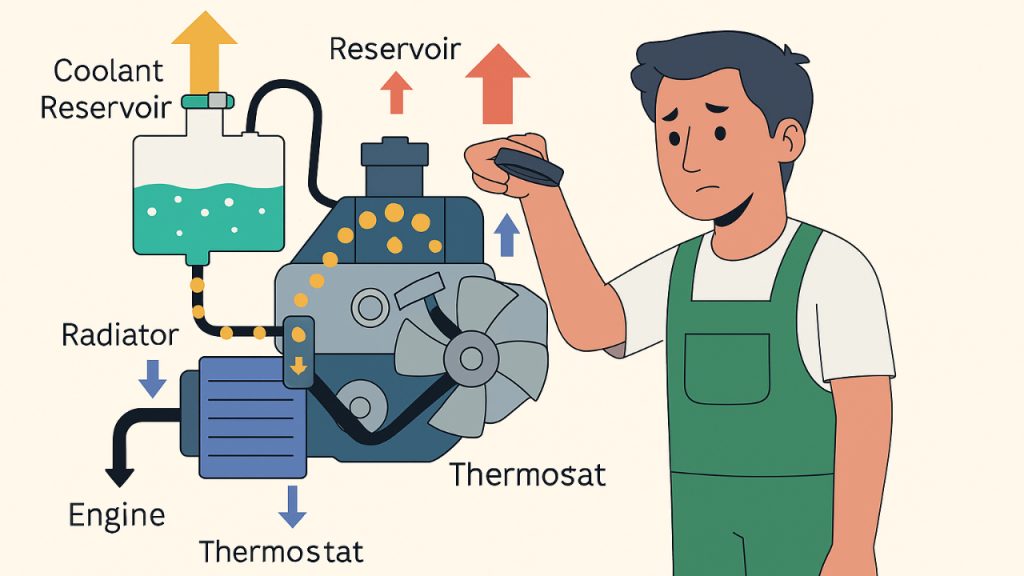
The coolant reservoir, or overflow tank, is a plastic container that is connected to your car's cooling system. Its main function is to hold excess coolant. When the engine overheats, the coolant expands and flows into this reservoir.
When the engine cools down, the coolant contracts and returns to the system, keeping the level balanced. Here's some basic information to help you understand it better.
Thermal Expansion
Thermal expansion is a fundamental property of matter. Simply put, most substances expand when heated and contract when cooled. This happens because increased heat energy makes molecules move faster and spread out. In your car's cooling system, the coolant experiences this effect, increasing in volume as the engine gets hot.
Expansion Tank
The expansion tank, often called the coolant reservoir, is a vital part of your car's cooling system. It safely collects coolant as it expands from heat. When the engine cools, the coolant contracts, and the tank feeds it back. This ensures the system always has the right amount of fluid.
Normal Fluctuations
It's completely normal for your coolant level to change slightly. As your engine heats up, the coolant expands, and its level in the reservoir rises. When the engine cools down, the coolant contracts, and the level drops. These small shifts simply mean your cooling system is working correctly.
Pressure
Pressure in your vehicle's cooling system is extremely important. The radiator cap can and does maintain this pressure, significantly increasing the boiling point of the coolant. Proper pressure ensures effective cooling and prevents engine damage.
How Coolant Works in a Hot Engine?
When the engine overheats, the coolant actively circulates and absorbs the intense heat. It then flows to the radiator, where the heat is easily dissipated into the air.
System pressure prevents boiling by raising the boiling point of the coolant.The expansion tank handles volume changes. This continuous process precisely maintains optimal engine temperature.
Engine cooling system diagram

A hot engine's coolant is circulated by a water pump. And a thermostat controls the flow to the radiator, where heat is dissipated, with the help of a fan.
The radiator cap maintains pressure, preventing the water from boiling. An expansion tank controls the amount of coolant. This system keeps the engine constantly cool.
Coolant properties
Coolant has important properties. It efficiently transfers heat from the engine. It is able to and works to prevent freezing in winter and boiling in summer. Importantly, it contains corrosion inhibitors to protect metal components. These properties ensure stable engine temperatures and longevity.
High Thermal Conductivity
High thermal conductivity means a material plays a key role in transferring heat very quickly. For engine coolant, this characteristic is extremely important. Coolant with high thermal conductivity can quickly remove heat from hot engine components. This efficient heat transfer helps prevent overheating, ensuring that your engine is operating at its optimum temperature.
High Boiling Point
A high boiling point is very important for engine coolant. This means that the coolant can get very hot before it turns into vapor. This can allow your engine to operate at high temperatures without the liquid boiling, which can cause the engine to overheat and even cause serious engine damage. This is very important for efficient cooling.
Low Freezing Point
The engine coolant has a low freezing point. This keeps it liquid in cold weather. It stops the fluid from freezing. Frozen coolant expands with force. This can badly damage the engine block. It can also harm other vital parts. This is crucial for engine safety.
Corrosion Resistance
Coolant contains special additives to prevent corrosion. These can protect internal engine metals like aluminum and iron from rust and chemical corrosion. Without it, important components like the radiator and water pump will wear out quickly. This is essential for the longevity of the engine.
Low Viscosity
Low viscosity means the coolant is thinner and can flow easily. This is essential for fast circulation throughout the engine. Fast flow ensures efficient heat transfer, allowing the coolant to reach all the hot spots quickly. This is important for effective cooling.
Chemical Inertness
Chemical inertness means a substance does not react with other materials. It prevents the coolant from breaking down or corroding the metal and rubber components of your engine. This stability ensures the cooling system functions reliably.
Reduced Foaming
Reduced foaming means the coolant resists creating air bubbles while circulating. Foam reduces the coolant's ability to efficiently transfer heat. It can also cause cavitation damage to the water pump. Coolant additives prevent this, ensuring stable and effective engine cooling performance.
Material Compatibility
Material compatibility means that the coolant will not damage any material. This includes various metals such as aluminum and iron, as well as rubber pipes and plastic parts. A compatible coolant prevents corrosion, swelling, or erosion. It is able to ensure that the cooling system is intact and leak-free.
Environmental Safety
Engine coolant can cause serious damage if not handled properly. Improper disposal can contaminate water and soil, harming animals and plants. Therefore, it is important to use environmentally safe alternatives such as propylene glycol-based coolants. Always dispose of used coolant responsibly at designated facilities.
Coolant Maintenance Guide: Keep Your Engine Cool and Healthy

Coolant protects your car’s engine from both heat and cold. It moves through the water pump, radiator, and hoses, carrying heat away so the motor stays at a safe temperature. Low, dirty, or leaking coolant makes engines overheat and wear out faster. Regular checks keep everything running right.
What Coolant Does
Coolant does two jobs: it controls engine heat and stops rust or freezing inside metal parts.
It’s a mix of antifreeze and water. The antifreeze handles extreme temperatures, while water moves heat out of the engine. A half-and-half mixture works well for most vehicles. Many products come ready to pour, so check the label before use.
Maintenance Tips
Look at the coolant tank only when the engine is cold. The level should be between the “min” and “max” marks.
- Use the brand or type listed in your car manual.
- Don’t mix coolants of different colors.
- Change it if it looks rusty, brown, or thick.
- Check the ground for any dripping spots.
- Tighten the cap firmly after each check.
Small checks can stop big repair bills later.
Regular Checks
Look at your coolant at least twice a month or before long trips.
- Keep the level steady between the marks.
- A sudden drop often means a small leak.
- Inspect hoses and clamps with light.
- Replace parts that look old or cracked.
- Carry a spare coolant container just in case.
Temperature Awareness
Watch the temperature gauge while driving.
If the needle moves near the red mark or you see steam, stop safely and turn the car off. Wait until it cools before opening the hood. Never touch the coolant cap on a hot engine.
Frequent overheating can mean the fan, thermostat, or water pump needs repair.
Flushing the Cooling System
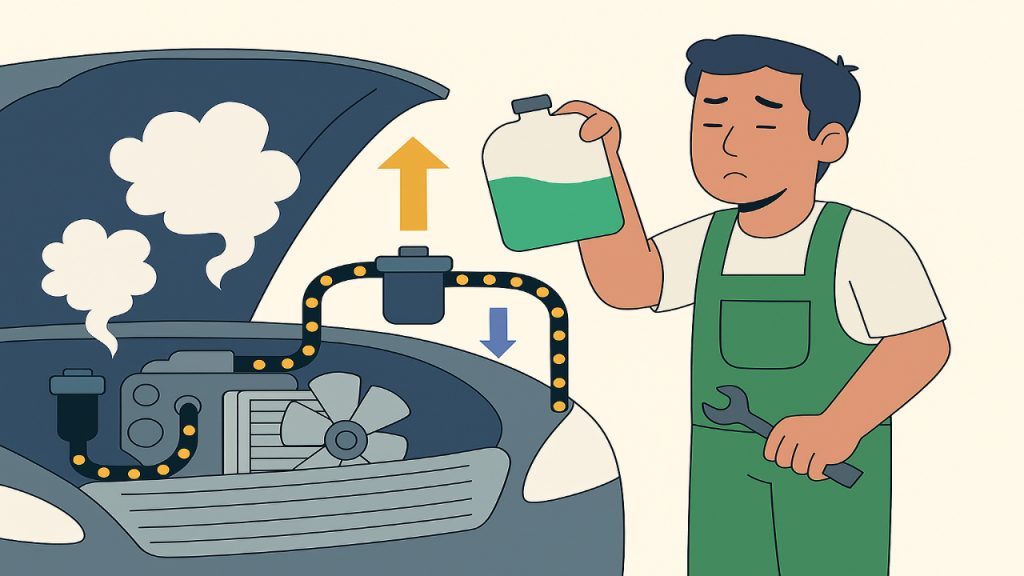
Coolant lasts only a few years before it gets weak or dirty.
Flushing it clears out grime and iron particles.
- Drain the old fluid into a container.
- Rinse the system with clean water.
- Add a new 50/50 mix.
- Flush every two to three years or as listed in your car guide.
Too Much Pressure
Extra pressure means a part is failing.
- The radiator cap may not close right.
- A blocked hose may trap air.
- A bad head gasket can push gas into coolant.
High pressure makes hoses or radiators crack. If fluid bubbles or boils, stop and have it checked.
How Pressure Changes Coolant Level
When hot, coolant expands and moves to the tank. As the engine cools, it flows back down. This rise and fall is normal.
If levels don’t return, check the cap or inspect for leaks.
Extra Care Tips
- Let the car cool before opening the system.
- Add fluid slowly to keep air out.
- Be sure the radiator fan works properly.
- Clean fins with water and remove bugs or dirt.
- Replace hoses showing swelling or cuts.
- Use clean water with antifreeze—never salty or hard water.
- Inspect the water pump often for leaks.
Warning Signs of Coolant Trouble
- Temperature light turns on.
- Sweet smell inside the car.
- White smoke from the tailpipe.
- Puddles of colored liquid under the car.
- Gauge reading higher than normal.
Act fast to stop engine damage.
Cooling System Parts
- Radiator: releases heat.
- Coolant tank: holds extra liquid.
- Water pump: moves coolant.
- Thermostat: opens and closes fluid flow.
- Hoses: connect the system.
- Cap: keeps the pressure balanced.
Every piece must work right to keep the engine stable.
Choosing the Right Coolant
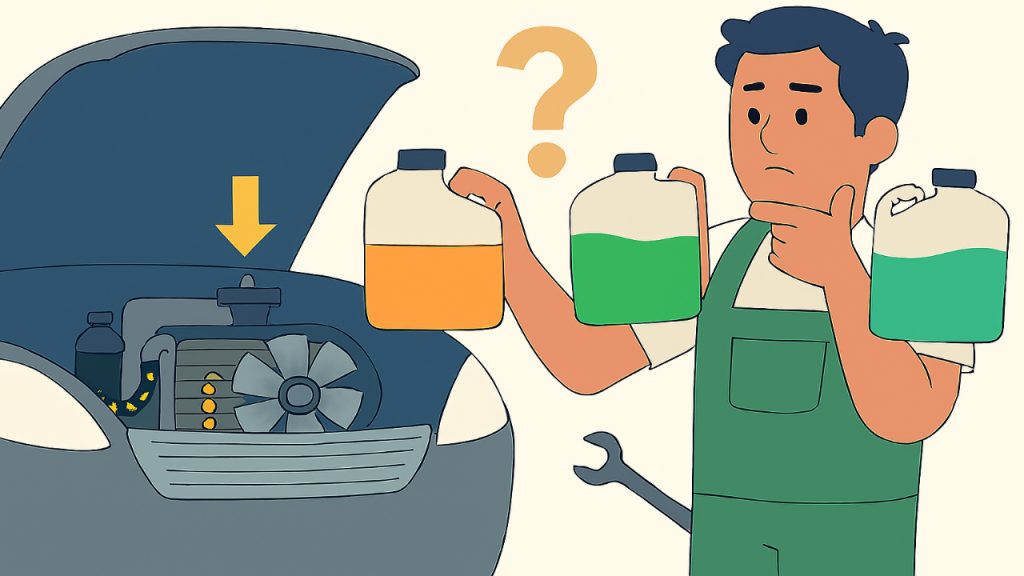
Car models use different types.
- Green: often in older vehicles.
- Orange or pink: for newer cars with aluminum parts.
- Blue or yellow: common in European or Japanese cars.
Always follow the owner’s manual. Mixing kinds can create sludge and block passages.
Coolant Care in All Seasons
Warm weather makes coolant evaporate faster, so check it often.
In winter, make sure it has enough antifreeze to resist freezing.
Never fill the radiator with plain water in cold areas.
If your car sits all season, check the level before starting.
Why It Matters
Coolant is small but critical. It controls temperature and prevents rust inside the engine. Clean coolant keeps your car steady, protects parts, and reduces repair costs. A few minutes of care can stop major damage later.
Conclusion
We've explored the car's cooling system in detail. We covered how the expansion tank handles normal coolant fluctuations and the importance of pressure. Coolant's key properties, like thermal conductivity, high boiling point, and low freezing point, are vital.
Remember to check levels regularly, be aware of temperature, and flush the system. Address issues like high pressure or unexplained coolant loss promptly for engine health and environmental safety.
Common FAQ
When a car’s coolant appears low while hot, it’s usually due to thermal expansion. Persistent drops, however, may indicate leaks, radiator cap failure, evaporation, or internal issues such as a blown head gasket.
A car can lose coolant without visible leaks due to evaporation, a faulty radiator cap, internal engine issues like a blown head gasket, or coolant entering cylinders and burning off during combustion
Yes, coolant expands when heated. As temperature rises, the liquid increases in volume and moves into the overflow tank. This expansion helps maintain pressure and prevents engine overheating or damage.
Coolant expands when hot. As temperature rises, its volume increases about 6–8 percent. Expansion pushes fluid into the overflow tank. This process maintains system pressure and prevents overheating or engine damage.
Yes, coolant level can appear lower when the engine is hot. As coolant heats up, it expands and flows into the overflow tank. This shift makes the reservoir level look reduced temporarily.

Gerry is a certified automotive expert and founder of AutomotiveAH.com, specializing in vehicle maintenance, diagnostics, and engine systems, delivering trusted, research – driven automotive guidance.