

Oil leaks hurt engines badly. You see drips under the car. Grab the stop leak bottle fast. It swells and seals quickly. Leaks slow down. But the real fix needs work. Seals wear out more later. Oil gets thick. Passages clog up.
The engine takes harm. This guide shows leak spots. Tells oil types that help. Gives a checklist. Lists fix ways. Shares additive facts. Warns of bad signs. Shows prevent steps. Costs fix money. Learn now. Fix right. Save engine.
Why Leaks Happen
Oil leaks can pop up for a bunch of reasons, and some of them are pretty sneaky. Like, I didn’t even know this at first, but there’s this little thing called the PCV valve that helps keep pressure in check inside the engine.
If that valve gets clogged or just stops doing its job, pressure builds up and oil starts finding ways out—usually through seals and gaskets. And it doesn’t even matter if those seals look fine. A faulty PCV valve can cause leaks without warning.
And don’t even get me started on oil filters. I used to think any cheap filter would do the trick, but nope. Some of those budget filters don’t seal right or fit as snug as they should.
That leaves tiny gaps where oil can slip through, making it look like you’ve got a big problem when it’s just a bad filter. Even one that’s just a little loose can cause leaks. So, making sure your filter’s good and tight is a quick way to stop leaks without getting your hands too dirty.
And then there’s old oil. Old oil turns into this thick, sludgy mess that clogs up passages and stops oil from flowing right. When oil gets stuck, pressure builds up in all the wrong places and forces oil past seals. So yeah, keeping up with oil changes isn’t just about clean oil—it’s also about keeping those seals from leaking in the first place.
- Clogged PCV valve: Builds engine pressure. Oil pushes through seals.
- Bad oil filter: Loose fit creates gaps. Oil slips out easily.
- Old, sludgy oil: Clogs passages. Pressure forces leaks.
Tighten your filter. Change oil regularly. These steps prevent many drips.
The Risk of Ignoring Small Leaks
Those little oil spots on the driveway don’t seem like a big deal, right? I used to think the same thing. But here’s the thing - ignoring those small leaks can lead to some really big problems. Even just a little bit of oil loss adds up fast, and pretty soon, your engine’s running low on oil.
When that happens, the parts inside start rubbing against each other without enough oil to keep them moving smoothly. That’s when things start to wear out, and honestly, it can even lead to your engine seizing up or overheating.
And then there’s the mess. Oil dripping onto hot parts can burn and cause smoke, which is never a good sign. It could even cause a fire if you’re not careful. So, I’ve learned the hard way - fixing those small leaks early saves you a ton of trouble and money in the long run.
Additives Aren’t All the Same
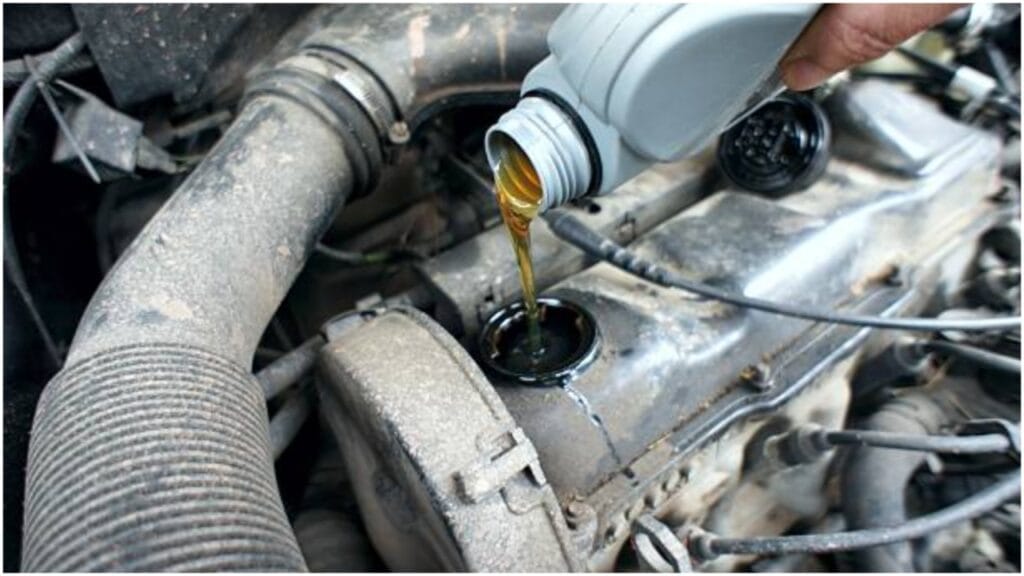
I’ve learned that not all oil stop leak products are created equal. Some of them work okay, but others can cause more trouble. A lot of additives are meant to soften and swell seals, but if you pick the wrong one, it can make those seals swell too much, and that’s a problem. It’s like putting on a band-aid that’s too big - it might cover the problem, but it doesn’t fix it.
Some additives try to fill cracks, but they can clog parts of your engine where oil needs to flow freely. That’s something you don’t want. So, it’s super important to choose the right product.
- Good ones soften seals gently.
- Bad ones swell too much. They clog oil flow.
Test on minor leaks only.
Older Engines Need Extra Care
So, if you’ve got an older engine, you probably already know it needs a little extra love. I’ve noticed that as engines get older, parts like seals and gaskets wear down and get all brittle. That makes them leak more easily.
Now, if you try to use the wrong stop leak product on an older engine, things can go south fast. Some additives can make the seals swell too much, or even clog up the engine parts that need smooth oil flow.
From my experience, older engines just need more regular checkups and the right kind of products. Taking care of those little leaks early and using the right stuff can help your engine last longer without huge problems.
Ignoring Leaks Is a Wallet Trap
Ignoring oil leaks might seem like an easy way to avoid spending money, but in reality, it can end up costing you a lot more in the long run. I’ve learned this the hard way. When oil leaks go untreated, your engine runs the risk of losing too much oil, which means the engine parts won’t get the proper lubrication they need. This leads to overheating, increased friction, and major wear and tear on the engine.
What’s even worse is that by the time the leak becomes a bigger problem, the damage is already done. Fixing it early can be a simple repair, but ignoring it can lead to expensive repairs or even needing a full engine replacement. Regularly checking for leaks and addressing them right away helps save money and extends the life of your car.
Burning Smell Is a Warning
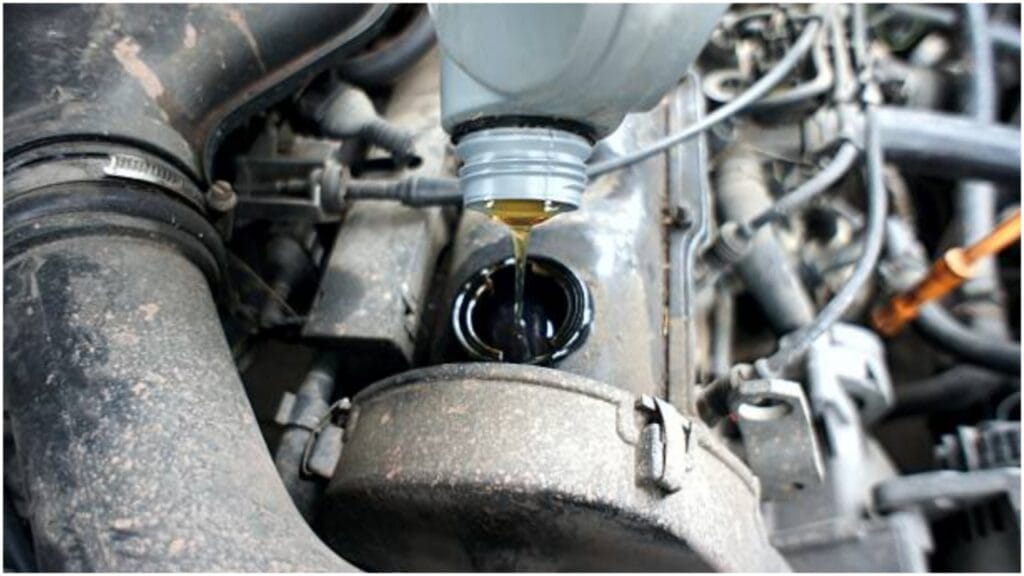
I’ve had that burning oil smell before, and let me tell you, it’s not something you want to ignore. If you smell that, it usually means oil is leaking onto hot parts of the engine, like the exhaust. It sounds small, but trust me, it’s a big deal.
When I first smelled it, I didn’t think much of it, but then I realized how serious it could be. If you leave it, the oil can keep leaking onto the hot parts, and it could cause smoke or even start a fire. And that’s not something you want to deal with.
Whenever I catch that smell now, I don’t wait around - I get it checked out right away. It’s your engine’s way of saying, "Hey, pay attention!" Fixing it early saves you from much bigger problems down the road.
Conclusion
Oil leaks need fast fix. Not just additives. Check PCV valve. Tighten filter. Change old oil. Watch driveway spots. Stop low oil harm. No overheat. No seize parts. No big bills.
Burning smell means fire risk. Older engines get checks often. Track oil weekly. Clean drips safe. Use tools first. Not bottles. Engine lasts long. You save cash. Drive safe.
Common FAQ
Oil spot on driveway after oil change? Check quick.
Drain plug loose. Tighten firm.
Oil filter loose. Tighten plus quarter turn.
Residual oil drips. Wipe. Monitor.
Gasket failed. Replace fast.
Spot bigger? Low oil risks engine damage. Fix now.
No, if used right.
Softens worn seals. Stops minor leaks.
No harsh chemicals. Safe for most engines.
Follow dose: 1 bottle per 5 quarts.
Overuse thickens oil. Clogs passages.
Minor leaks only. Check mechanic for big ones.
Wondering how much Lucas Oil Stop Leak to add? Start with your engine's oil capacity. For most cars, use 1 quart per 4-5 quarts of oil. Check your manual first. Pour slowly into the oil filler. Run the engine 5 minutes. Drive normally. Recheck oil level after 100 miles. It seals leaks without harming seals. Too much? It thickens oil. Typical dose: 20% of total capacity. Example: 5-quart system gets 1 quart. Always shake bottle well. Works best hot. Questions on your engine size?

Gerry is a certified automotive expert and founder of AutomotiveAH.com, specializing in vehicle maintenance, diagnostics, and engine systems, delivering trusted, research – driven automotive guidance.