

We've fixed countless oil pan leaks at AutomotiveAH, and we've learned one hard truth: what starts as a tiny drip can snowball into engine-killing disaster. An oil pan leak is serious - it starves your engine of vital lubrication, leading to overheating, wear, and potentially a seized motor.
But don't sweat it; we're breaking it down simply: why oil pan leaks happen, how to spot them fast (like burning smells or drips), and DIY steps to seal them before they drain your wallet. Ready to keep your ride leak-free? Let's dive in.
Why Does an Oil Pan Leak Happen?
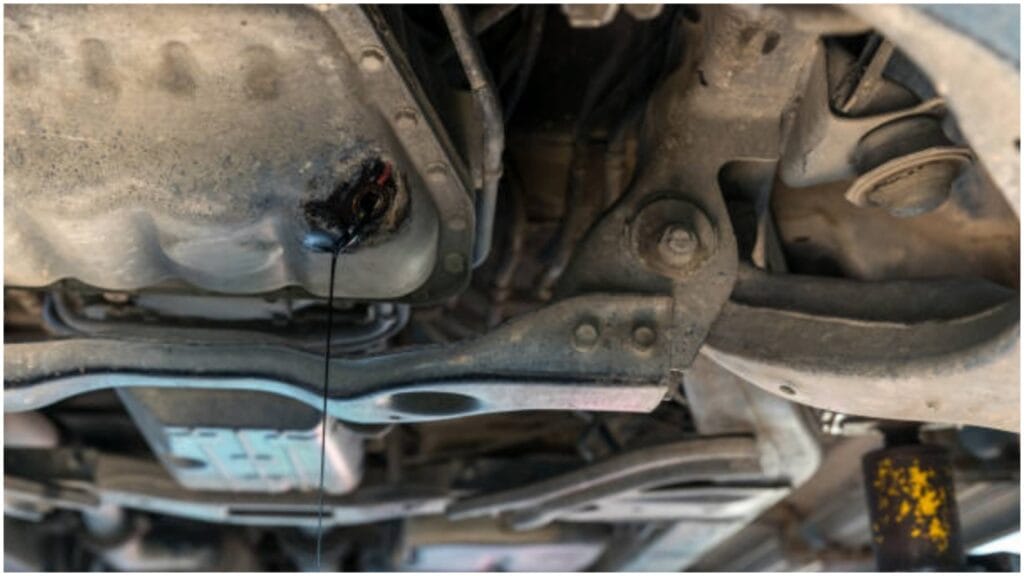
Oil pan leaks don’t just show up for no reason. Something has to go wrong first. And trust me, we’ve seen it all - cracked pans, bad gaskets, loose plugs, you name it. The oil pan sits at the bottom of your engine, holding all the oil. But over time, things wear out, break, or get damaged, and that’s when the leaking starts.
The Gasket Gets Old and Worn Out
The gasket is like a little rubber seal between the oil pan and the engine. It keeps oil from leaking out. But here’s the thing—rubber doesn’t last forever. After years of heat, pressure, and just doing its job, the gasket dries out, cracks, or gets brittle. And when that happens, oil starts to sneak through the gaps. A little at first, then more and more.
- Dries after 5-10 years of heat cycles
- Common on high-mileage engines
- Starts as tiny drips, worsens quickly
The Drain Plug Isn’t Tight Enough (Or It’s Too Tight!)

Every time you get an oil change, the drain plug at the bottom of the oil pan gets removed. If someone doesn’t tighten it enough afterward, oil can start dripping out.
But tightening it too much isn’t good either - it can damage the threads or even crack the pan. Some drain plugs also have a small washer that wears out over time, and when that happens, oil starts leaking right past it.
- Happens after sloppy oil changes
- Check torque: 18-25 ft-lbs typical
- Replace washer every change
The Oil Pan Takes a Hit
The oil pan sits low, which means it’s pretty easy to hit something - like a speed bump, a deep pothole, or a piece of road debris.
If you hit something hard enough, the pan can crack or dent. And if there’s even the tiniest crack, oil will start dripping out. If the damage is bad, oil can leak fast, which is never a good thing.
The Engine Gets Too Hot
Engines get hot, but when they overheat, it makes things worse. Too much heat can make the gasket dry out and harden, which means it won’t seal properly anymore.
And you guessed it - when the seal goes bad, oil starts leaking out. So, if your car has been running hotter than usual, it’s worth checking for leaks.
The Car is Just Getting Old
Nothing lasts forever, and that includes oil pans and gaskets. Over time, everything wears out -rubber seals break down, metal gets rusty, and things just don’t work like they used to. If your car has some years on it and you’re noticing oil spots under it, chances are something down there is wearing out.
Oil leaks start small, but they don’t stay that way for long. A few drops can turn into a bigger mess, and before you know it, you’re running low on oil. That’s why it’s always a good idea to keep an eye out for any signs of leaking - because catching it early can save you a whole lot of trouble later on.
Burning Oil Smell and Smoke
Do you ever get a whiff of something burning while driving? That sharp, nasty smell that makes you wrinkle your nose? Yeah, that’s probably burning oil.
And if you ignore it, things can go from bad to worse really fast. We’ve dealt with this before, and trust me - it’s not something you want creeping up on you.
Oil Drips on Hot Engine Parts
Here’s the deal. When oil leaks, it doesn’t just disappear. It drips down and lands on hot parts of the engine - like the exhaust or other metal components. And when oil meets heat? It burns.
That’s where that awful smell comes from. If the leak is small, you might only notice it now and then. But if more oil starts leaking, that smell gets stronger and sticks around.
The Smell Only Gets Worse
At first, it might just be a faint burnt oil smell when you’re driving. Maybe it’s only noticeable when you stop at a light. But over time, if the leak keeps getting worse, that smell will hit you the moment you start the car. That’s a big warning sign that oil is leaking faster and burning up more than before.
Smoke Means Trouble
Now, if you start seeing smoke? That’s when you need to pay attention. Smoke coming from under the hood means that oil is burning up fast, and that’s a problem.
Thick, white, or bluish smoke is a big red flag. In the worst cases, too much oil burning on hot parts could even start a fire. Yeah, you read that right - an actual fire.
What Should You Do?
If you smell burning oil or see smoke, don’t brush it off. First thing? Check your oil level. If it’s low, you’ve got a leak somewhere. Then, take a peek under the car - see any oil stains or fresh drips?
If so, it’s time to get it checked out. Fixing a small leak now can save you from a way bigger headache (and a way bigger repair bill) later.
Prevention is the Best Fix

Let’s be real - nobody wants to deal with an oil leak. It’s messy, it smells awful, and if you ignore it, your engine could end up in serious trouble.
But here’s the good news: most oil pan leaks can be avoided. We’ve learned from experience that a little bit of care now can save you from a whole lot of stress (and money) later.
Regular Oil Changes Keep Things Happy
Changing your oil on time isn’t just something mechanics tell you to do for fun - it helps prevent leaks. Fresh oil keeps everything running smoothly, but old, dirty oil can wear down seals and gaskets, including the one around your oil pan. Stick to your oil change schedule, and you’ll keep your engine (and your driveway) in much better shape.
- Every 5k miles or 6 months
- Use right oil type
- Keeps rubber seals soft
Look Under Your Car Now and Then
You don’t have to be a mechanic to spot a leak early. Just take a quick peek under your car once in a while. If you see fresh oil spots on the ground or notice any oily buildup around the oil pan, don’t ignore it! Fixing a small drip is way easier (and way cheaper) than dealing with a big, messy leak later on.
- Fresh oil spots? Act now
- Clean pan area first
- Cardboard catches drips overnight
Be Gentle With That Drain Plug
Every time you get an oil change, the drain plug at the bottom of the oil pan has to come off. If it’s not tightened properly, oil will start dripping out.
But here’s the tricky part - tightening it too much can actually strip the threads or even crack the pan. It just needs to be snug, not cranked down like you’re trying to bolt a rocket together.
- Torque 18-25 ft-lbs
- New washer each change
- Hand tight + 1/4 turn
Watch Out for Bumps and Potholes
The oil pan sits low under your car, which means it’s one of the first things that can get smacked by speed bumps, potholes, and random stuff in the road.
A hard hit can dent or even crack the pan, and trust me, that’s a problem you don’t want. If you know a road is rough, take it easy. Your oil pan (and your suspension) will thank you.
Keep an Eye on That Temperature Gauge

Engines get hot, but overheating is bad news - especially for the rubber gaskets that seal everything up. If your car has been running hotter than usual, don’t ignore it. Too much heat can make the gasket around your oil pan dry out and crack, which means an oil leak is just waiting to happen.
- Normal: 195-220°F
- Fix cooling issues fast
- Hot? Park. Check leaks
Small effort now. No big bills later.
A Little Effort Now Saves a Big Headache Later
Taking care of your car doesn’t have to be complicated. Just keep up with oil changes, check for leaks, drive carefully, and don’t overheat your engine.
A little effort now can save you from a whole lot of trouble (and a big repair bill) later. And trust me, avoiding a messy oil leak is always worth it!
Conclusion
Oil pan leaks might seem small at first, but trust me, they don’t stay that way. We’ve been there - you see a few drops of oil on the ground and think, “Eh, no big deal.” But before you know it, your oil levels drop, your engine isn’t getting the lubrication it needs, and suddenly, you’ve got a serious (and expensive) problem on your hands.
The good news? You can stop most leaks before they even start. Just keep up with oil changes, check under your car now and then, and don’t ignore that weird burning smell or smoke. If you catch a leak early, it’s a super easy fix.
At the end of the day, taking care of your car now means avoiding a huge headache later. Trust us - fixing a small leak today is way better than dealing with a blown engine tomorrow. Stay on top of it, and your car will keep running strong!
Common FAQ
Expect $300-$800 total. Parts cheap: gasket $20-50, pan $100-300. Labor kills it: 3-6 hours at $100-150/hr. DIY? Under $100. Shop fix? $500 average. Cracked pan? Add $200. Skip it? Engine dies. $5k bill. Fix now.
Jiffy Lube spots leaks during changes. Repair? $150-$400 typical. Gasket reseal: $200. Drain plug fix: $100. They refer shops for big jobs. No cracked pan work. Quick patch: $75. Full fix elsewhere: $500+. Check first. Save later.
Park flat. Clean engine. Spot drip source. Check pan gasket. Tighten drain plug. Oil spots? Replace gasket. $50 DIY. Jack up car. Drain oil. Remove pan bolts. Clean surfaces. New gasket. Torque right. Refill oil. Test drive. Fixed.

Gerry is a certified automotive expert and founder of AutomotiveAH.com, specializing in vehicle maintenance, diagnostics, and engine systems, delivering trusted, research – driven automotive guidance.