
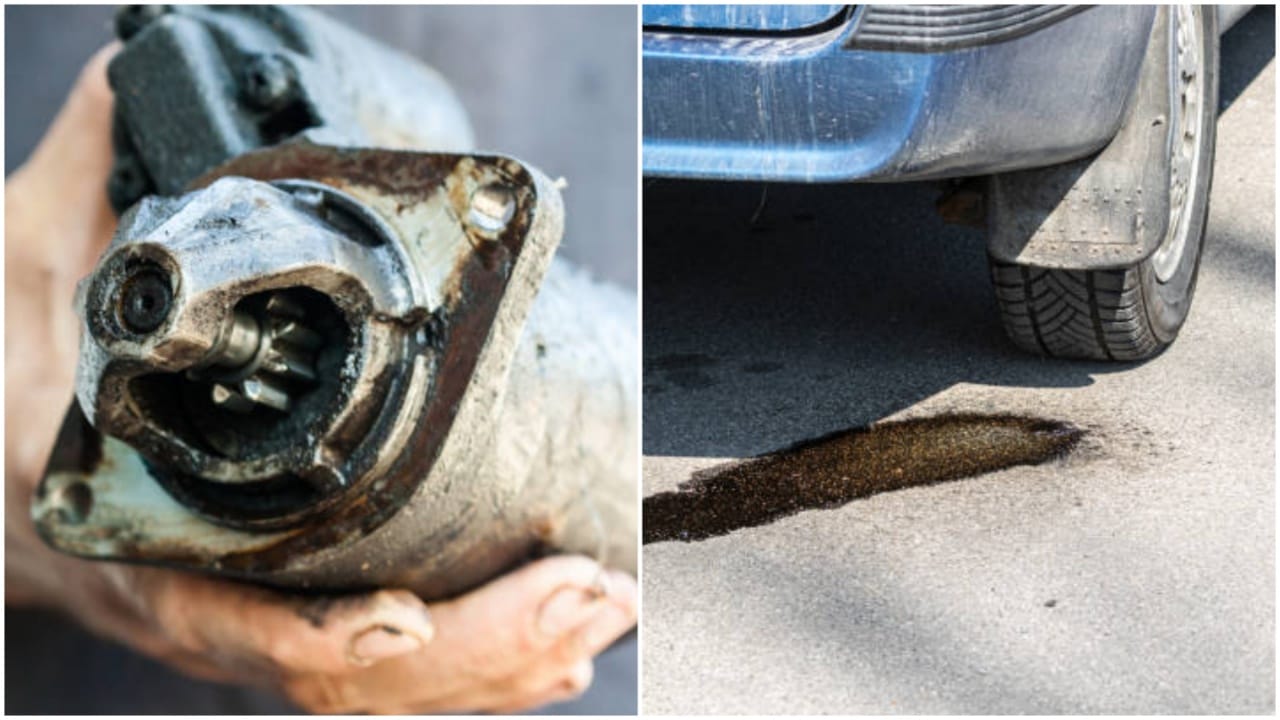
A leaking water pump can quickly turn into a serious problem by causing coolant loss and engine overheating. Spotting the issue early - such as seeing coolant puddles under the car or noticing engine temperature spikes - is crucial.
Before diving into repairs, it’s important to accurately identify the leak’s source to ensure that the water pump, not hoses or the radiator, is the culprit. With the right preparation and knowledge, replacing a faulty water pump can restore your vehicle’s cooling system and prevent costly damage down the road.
Prepare for Repairs
Safety is crucial. Let the engine cool completely before starting. Gather tools like wrenches, a drain pan, and a new water pump or gasket kit. Have a fresh coolant ready to refill the system.
Disconnect the battery to avoid electrical hazards. Drain the coolant into a pan to prevent spills. This preparation ensures smooth and safe repairs.
Remove the Old Pump
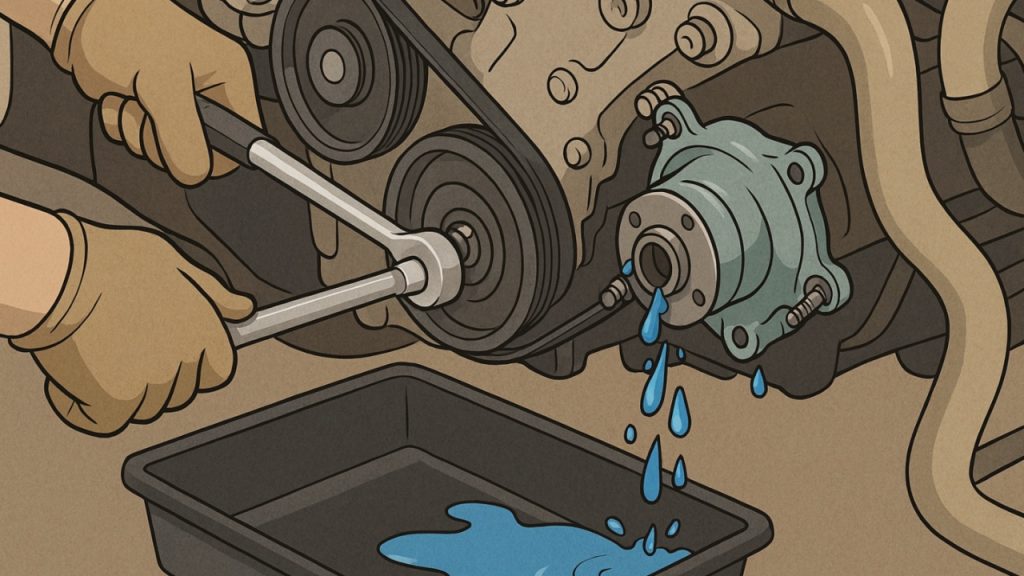
Locate the water pump, usually near the engine block. Loosen and remove the serpentine belt connected to the pump. Unbolt the water pump carefully. Be prepared for residual coolant to spill during removal.
Inspect the old pump and surrounding areas for damage or corrosion. Clean the surface where the new pump will sit. A clean base ensures a secure fit for the replacement.
Install the New Pump
Position the new pump in place. Ensure it matches the specifications of your car's engine. Use a new gasket or sealant as recommended by the manufacturer. Bolt it securely, but avoid overtightening.
Reattach the serpentine belt to the correct tension. Double-check all connections to ensure no gaps or loose bolts. A proper fit prevents future leaks.
Refill and Test
Refill the cooling system with fresh coolant. Use the type specified in your car's manual. Start the engine and let it idle. Watch for leaks around the pump area.
Monitor the temperature gauge to ensure the engine stays cool. If everything runs smoothly, the repair is complete. Dispose of the old coolant responsibly.
When to Seek Help
While replacing a water pump is straightforward, it can be complex for some vehicles. Tight spaces or advanced designs require professional tools or expertise.
If you're unsure about the process or face complications, it's best to consult a mechanic. A proper repair ensures your car's engine stays healthy and avoids overheating.
What Causes a Water Pump Leak
Water pump leaks usually occur due to wear and tear. Over time, seals and gaskets can break down, allowing coolant to escape. Corrosion is another common culprit, mainly if old or improper coolant is used.
External debris or dirt can damage the pump's housing, creating tiny cracks. Even improper installation can lead to early leaks. Regular maintenance can prevent many of these issues.
Signs You Shouldn't Ignore
A failing water pump might make strange noises, like squealing or grinding. You could notice the engine running hotter than usual, especially during long drives.
A coolant puddle near your car's front is a clear warning. Steam from under the hood is a serious sign of overheating. Ignoring these signals can lead to more significant engine problems.
The Importance of Proper Coolant
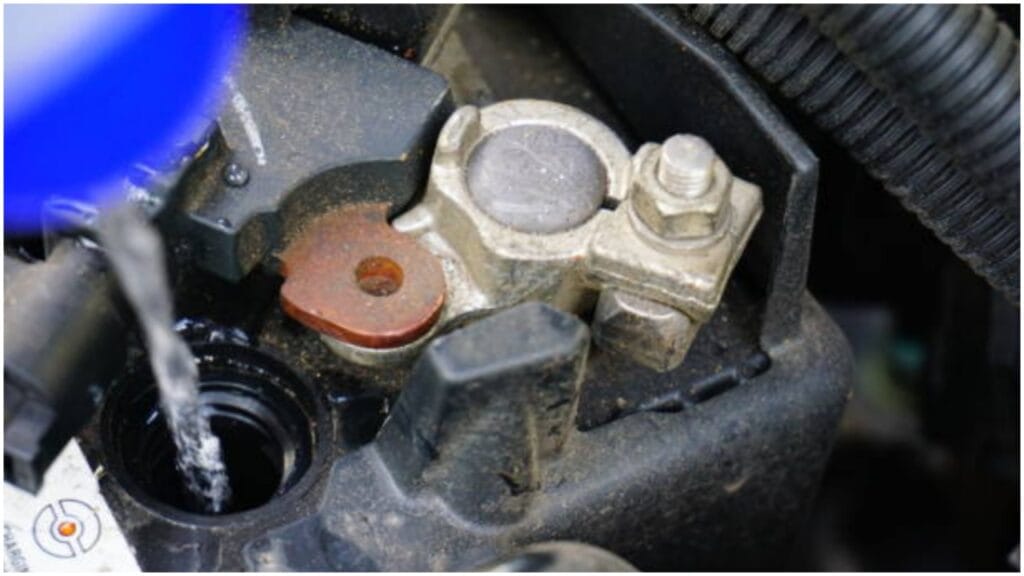
Coolant quality plays a significant role in keeping the water pump healthy. Using the wrong type or old coolant can cause buildup and corrosion. Flushing the system regularly ensures that the pump operates smoothly.
Always check the owner's manual for the recommended type and change intervals. Suitable coolant keeps your system clean and efficient.
Avoiding Future Leaks
Preventive care can save time and money. Inspect the cooling system during regular service checks. Replace worn-out hoses and belts to reduce strain on the pump.
Keep an eye on coolant levels and top up when needed. Address minor leaks before they become significant problems.
Choosing a Quality Replacement
Not all water pumps are created equal. Always go for trusted brands or OEM (Original Equipment Manufacturer) parts. A high-quality pump is made to fit your car perfectly and handle long-term use. Cheaper options might fail sooner and Cost more in repairs. Investing in a reliable pump is worth it.
Why Timing Matters
Fixing a water pump leak early can save your engine. If left unchecked, the pump can fail, causing overheating.
Overheated engines can lead to cracked heads or blown gaskets, which are expensive to repair. Timely repairs protect your car and keep you safe on the road.
The Role of the Water Pump
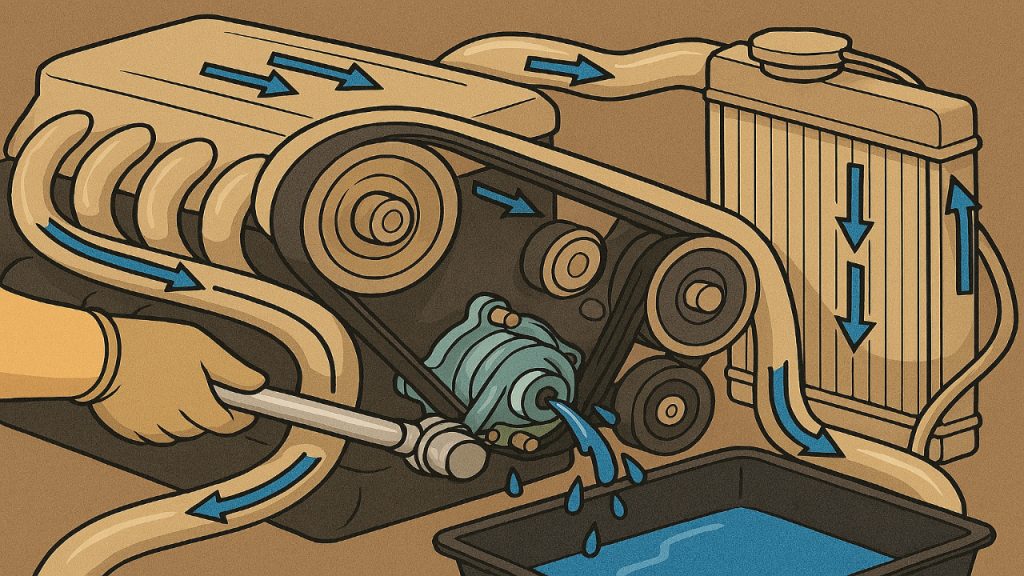
The water pump is like the heart of the cooling system. It circulates coolant through the engine to prevent overheating.
A well-functioning pump ensures the engine runs at an optimal temperature. The system can't cool properly without it, leading to severe damage.
Conclusion
The water pump plays a key role in keeping your engine cool and operating efficiently. Promptly addressing leaks protects your engine from overheating and expensive repairs.
Routine maintenance - like monitoring coolant levels, inspecting related parts, and choosing high-quality replacement components - extends your pump’s lifespan and keeps your car reliable.
Staying vigilant to warning signs and acting quickly ensures your vehicle remains safe and performs at its best for years to come.
Common FAQ's
A leaking water pump in your car presents with clear symptoms like coolant puddles and engine temperature spikes. Promptly addressing this issue, which often stems from wear or corrosion, is crucial to prevent overheating and costly engine damage. Regular maintenance and using quality components are key to avoiding future leaks.
The five main causes of water pump failure include: worn-out seals leading to leaks, bearing failure causing noise and wobble, corrosion from improper/old coolant, contaminated coolant introducing debris, and issues with the drive belt or pulley tension.
Water pump low pressure problems primarily cause your engine to overheat because coolant circulation is reduced. This reduced flow is often a symptom of a worn impeller blade, internal leaks, or cavitation (vapor bubbles damaging the pump).