
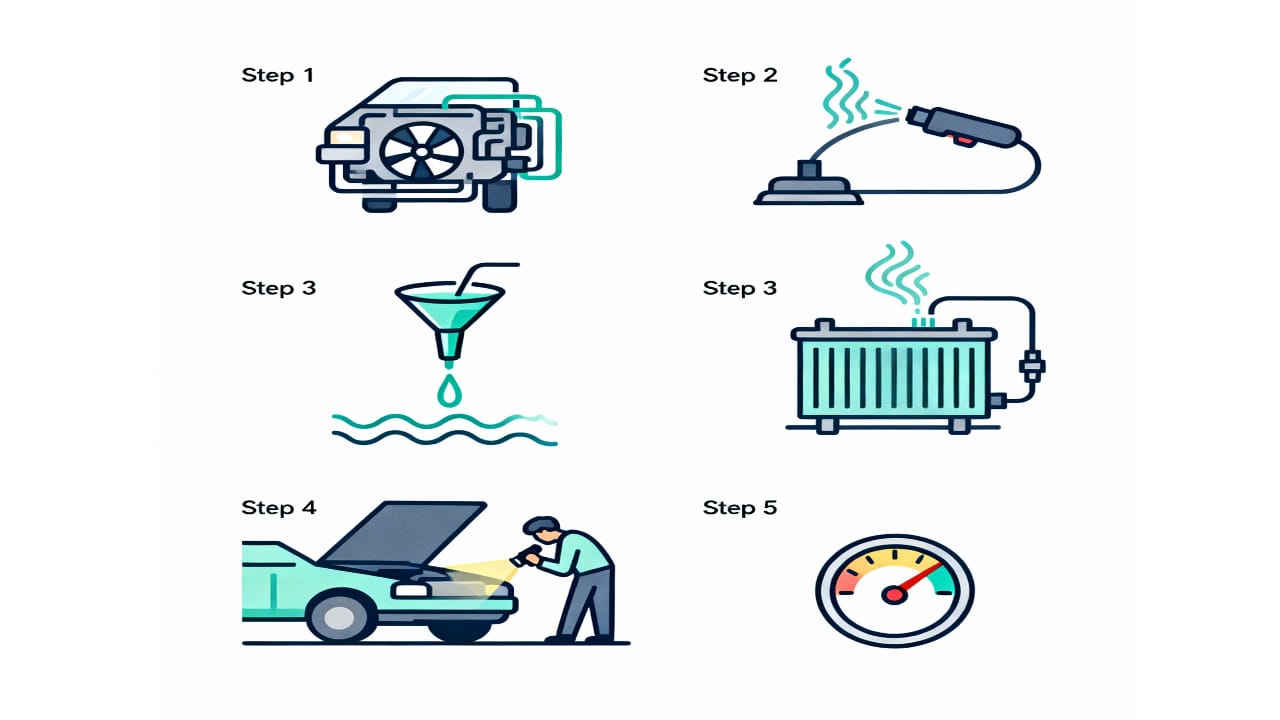
Changing your car's coolant is a big job. It can be a massive headache. Why? Old ways of filling coolant trap stubborn air pockets. These pockets are like blankets. They hold heat inside the engine's metal parts. This makes the engine get too hot. Too much heat breaks parts, like the head gaskets.
This is why you need the Cornwell Coolant Vacuum Filler. It is the best tool for the job. It is clean. It makes no mess. This tool guarantees you get an air-free fill. This turns a hard job into a fast, perfect job. Old coolant makes the engine dirty. This is called fouling. Proper vacuum filling is the first step to stop this damage. It keeps your customer's car healthy.
Understanding the Technology: How It Works

Why Old Ways of Filling Fail
Filling your system with a funnel is tricky. It fights how liquids move. Gravity filling lets air hide in high spots. Air gets trapped in the heater box and inside the engine block. Mechanics call this "vapor lock." You waste time trying to shake the air out. You just guess if the system is full.
Air pockets cause big problems. They make the temperature gauge wrong. They make the heater stop blowing warm air. The customer gets angry and brings the car back. This is called a comeback.
The Smart Vacuum Idea
The vacuum idea fixes all this. It uses air pressure from the air all around us. The Cornwell tool hooks up to your shop air line. It quickly makes a deep vacuum inside the cooling system. This vacuum pulls the hoses flat. It sucks all the air and moisture out.
Then, you open a valve. The heavy outside air pushes the new coolant into the system. The system fills perfectly. There is zero air trapped inside. A 100% full system stops hot spots. It makes the heater work right away. This means a perfect job is done fast.
Cornwell Product Deep Dive

Key Features of the Cornwell Coolant Vacuum Filler Kit
The Cornwell kit is made for busy shops. It has good parts to make the job simple and fast:
- The Big Gauge: This gauge is very important. It is easy to read. It shows how hard the tool is sucking (the vacuum level). It lets you do a leak check before you fill. If the needle drops, there is a leak. You find the leak before you spill expensive coolant.
- The Strong Venturi Pump: This is the tool's heart. It uses air from your compressor to suck hard. This venturi design works quickly. It is reliable for busy workers. It does not need a huge air compressor to work well.
- Many Adapters: The kit has many fittings and rubber cones. This means it fits almost every car. It fits trucks and foreign cars too. The adapters are labeled well. You don't have to look for the right one for long.
- Built Tough: This tool is made to last. It has heavy-duty brass fittings. Brass does not rust or break from coolant. The hoses are thick and strong. The plastic body is tough. It can handle being dropped in the shop.
- Clean and Safe: This tool is mess-free. The coolant goes right into the engine. It does not drip on the floor. This protects you from bad chemicals. It keeps the shop floor safe and clean. The valves are big. You can turn them easily, even with gloves on.
Step-by-Step Instructional Guide
How to Use the Cornwell Coolant Vacuum Filler - The Simple Steps
Using this tool is fast and easy. Follow these six important steps:
- Get Ready: Turn the engine off. Let it cool down. You must flush all the old coolant out. If the fluid is dirty, rinse it with water until the water is clear. Mix your new coolant right. Keep the bucket ready.
- Hook It Up: Find the right adapter for the radiator or overflow tank neck. Push it on hard. It must be air-tight.
- Start Sucking: Hook up your shop air line. Open the valve. Watch the gauge. Pull the system down to the deep vacuum level. Try to hit 25 to 28 inHg. This sucks out all the air.
- Check for Leaks (The Key Step): This is super important! Close the air valve all the way. Wait five full minutes. The gauge needle must not move. If it drops, you have a leak somewhere. Fix the leak first.
- Let the Coolant In: If the vacuum holds, put the feed hose into your bucket of new coolant. Open the filler valve. The vacuum quickly sucks the fluid in. It fills the whole system. It is much faster than waiting for gravity.
- Done! When the gauge goes back to zero, close the filler valve. Take off the air line. Pull the adapter off carefully. Check the overflow tank level. Write down that the job is done.
What If the Vacuum Drops? (Simple Fixes)
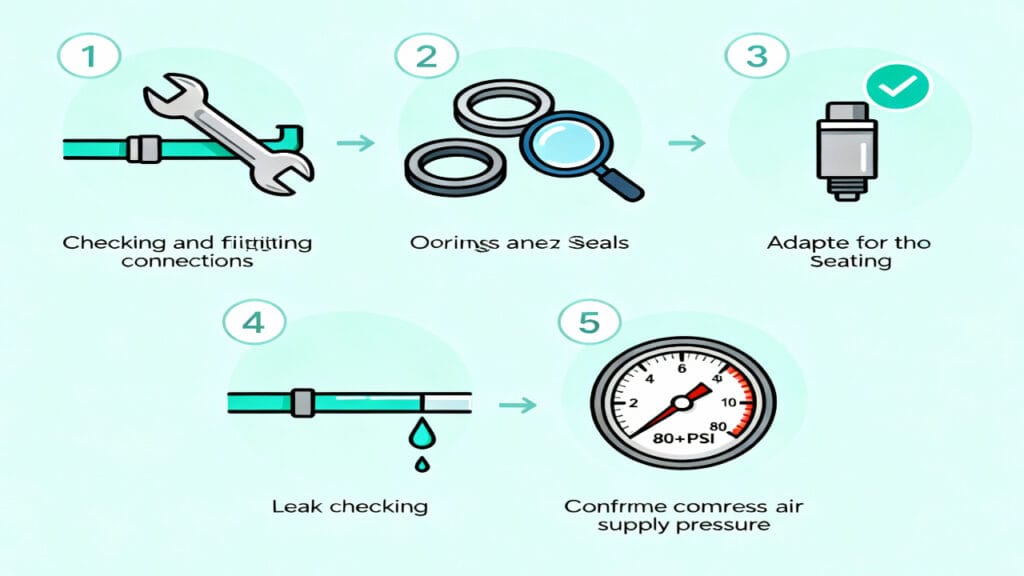
If the vacuum drops during the leak check, don't worry. The tool is helping you find a problem!
- Adapter Not Tight: This happens most often. Take the adapter off. Push it back on again harder. Make sure it seals the neck tight.
- Valve is Open: Check that all the tool's valves are shut completely.
- The Car is Leaking: If the tool is fine, the car has a leak. Maybe a hose or a gasket is broken. The Cornwell filler found this leak before you made a big mess!
Stop Fouling and Hot Spots: Precision Pays
- Stop Fouling: Why does the engine get dirty? Old coolant gets weak. It stops protecting the metal. This makes rust and scale. This is fouling. The Cornwell tool makes sure the flush is complete. It removes every bit of the bad, old fluid. The new, clean coolant lasts longer.
- Stop Hot Spots: Small air pockets are very dangerous. They make super hot spots. This extreme heat breaks the engine parts faster. Using this vacuum tool is the only way to make sure there are no air bubbles left. This protects expensive engine parts.
- Save Time, Make Money (Shop ROI): Time is money for a mechanic. Traditional bleeding takes 30 minutes of engine running. You waste time and gas. With Cornwell, the fill is done in minutes. No waiting! It's a guaranteed fix the first time. This saves labor time. You can work on more cars each day.
Maintenance and Longevity
How to Keep Your Cornwell Tool Perfect
Take care of your tool so it lasts many years.
- Keep it Clean: After every job, run clean water through the tool. This washes out any coolant left inside. Coolant can make the parts rust. Never let coolant dry inside the pump.
- Store it Safe: Always put the tool and all the adapters back in its case. This protects the gauge. Keep the case clean and away from oil.
- Check Your Air: The tool needs enough air pressure (PSI) and air flow (CFM) from your compressor. Check the manual for the right numbers. If the compressor is too small, the vacuum will be weak.
Conclusion
The Cornwell Coolant Vacuum Filler is a must-have tool. It gives you precision, speed, and trust. It stops engine damage from air pockets. It helps you do a perfect job every time.
Are you ready to protect your customer's cars and save labor time? Talk to your local Cornwell seller today. They can show you this tool and other great service tools!
Common FAQ's
Try to get the gauge to 25 to 28 inches of Mercury (inHg). This is a very deep vacuum. It pulls out all the air and moisture. Always check the Cornwell book for the best numbers.
Yes, you can. The tool has many adapters. It works on small cars, big trucks, and many diesel engines. It can handle large systems easily.
The biggest danger is localized overheating. The air pocket is like a plug. It makes one small part of the engine too hot. This heat breaks head gaskets and warps metal parts.
No, you do not need another pump. The Cornwell tool has its own pump built in. It just uses the air from your shop compressor. It is a simple tool.
This is a good thing! It means the tool worked. When the vacuum is deep, the outside air pushes the hose flat. This proves the system is sealed tight.
The tool only pulls the amount of fluid the car needs. Check the car's book for its total coolant size. Mix that amount of 50/50 coolant before you start. The tool will stop sucking when the system is full.
No! This is the best part. Because the vacuum fill is 100% full, you do not need to run the engine and wait for air to bleed out. The job is done.
OEM Tools coolant vacuum fillers pull a vacuum to remove trapped air in cooling systems, then refill coolant accurately to prevent overheating and engine damage. They use adapters for various vehicles and work with compressed air for vacuum creation.
To make a coolant vacuum filler, modify an oil extractor pump by adding a header neck bung to pull vacuum. Attach hoses to create suction, then fill coolant as vacuum draws it in, avoiding air.

Gerry is a certified automotive expert and founder of AutomotiveAH.com, specializing in vehicle maintenance, diagnostics, and engine systems, delivering trusted, research – driven automotive guidance.