
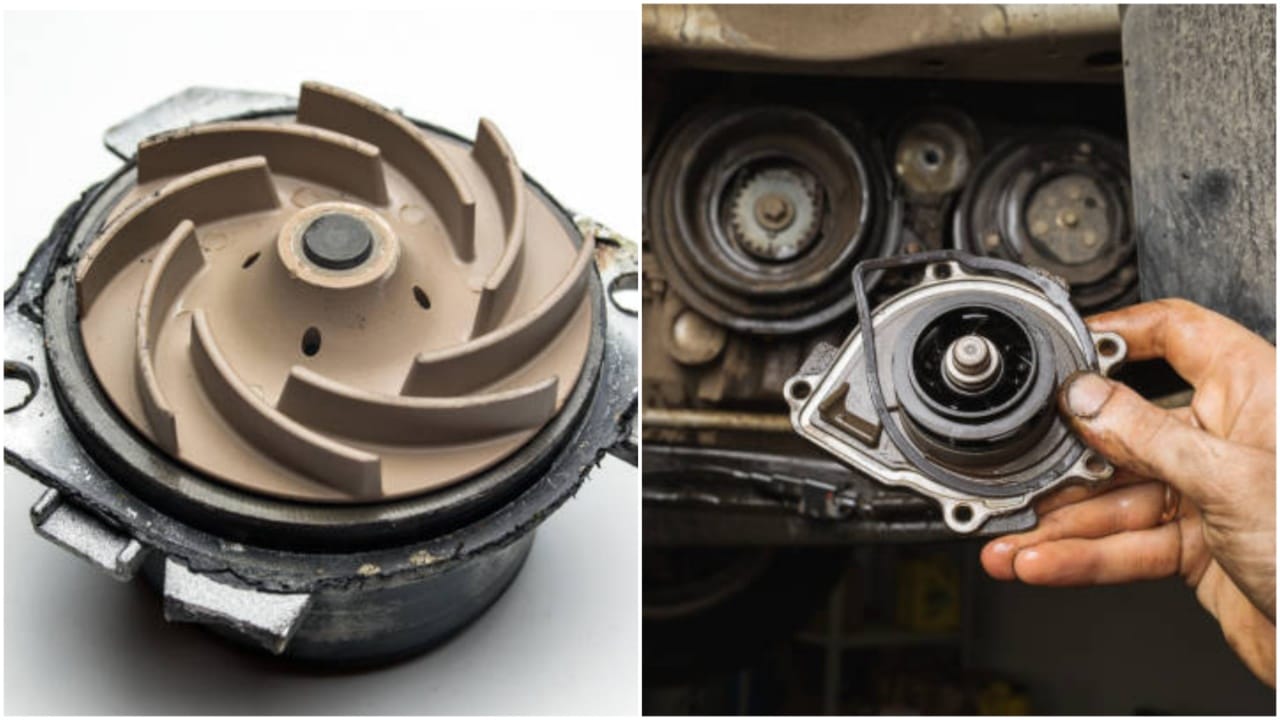
A temporary fix for a water pump leak involves using a cooling system stop-leak product. These solutions contain sealants that circulate and plug small leaks in the pump's gasket or housing. This is a short-term solution to get you home, as it can potentially clog other system components and is not a permanent repair for a failing pump.
We’re about to dive into the nitty-gritty - how to choose the right fix, avoid common mistakes, and keep your car running smoothly without breaking a sweat. Let’s go
What Causes Water Pump Leaks?
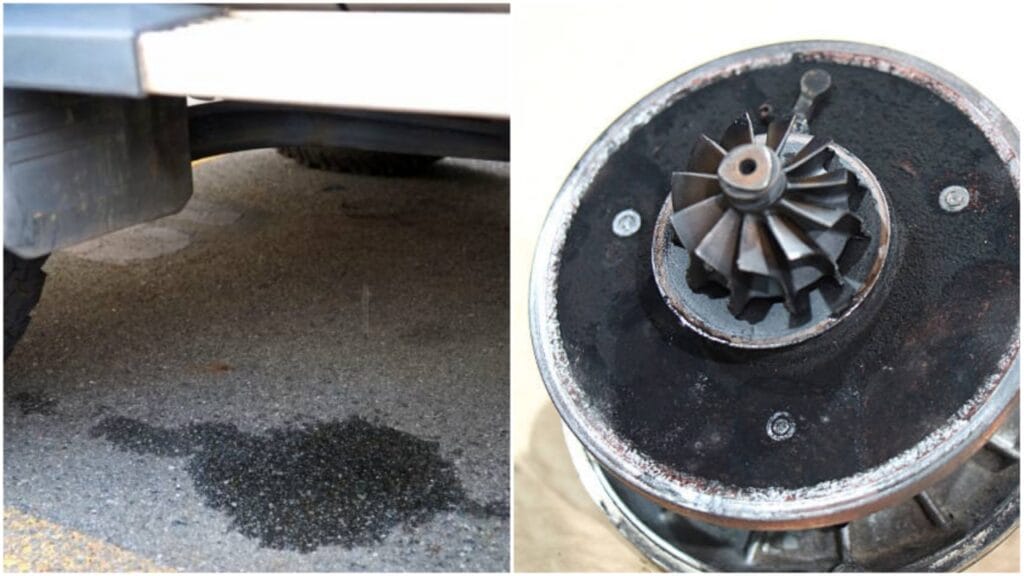
Your water pump circulates coolant to fight overheating, but wear hits hard. Here's what breaks it:
- Worn Seals and Gaskets: Heat cycles expand/contract rubber seals, cracking them over time.
- Corrosion from Bad Coolant: Old or wrong coolant turns acidic, eating metal housings and creating pinholes.
- Physical Damage: Potholes, loose belts, or impeller wear compromise the pump.
- Bearing Failure: Grinding noises signal shaft issues, leading to leaks via the weep hole.
Tip: Use your car's spec coolant (check manual)—universal types shorten pump life, especially in Euro models needing phosphate-free.
Spotting a Leaking Water Pump
Catch it early to avoid towing bills. Look for:
- Coolant puddles under the front engine (green/pink/orange stains).
- White crusty residue on pump, belt, or housing.
- Overheating gauge spikes or low coolant levels.
- Sweet smell or steam; weep hole drips signal seal failure.
Run a UV dye test in coolant, then use a blacklight for hidden leaks.
How Do You Know Your Water Pump Is Leaking?
Sometimes, you may notice coolant leaking from the front of your car right under the engine.
You may not see a leak at other times, but you may notice your engine running hot or overheating.
The trick is to catch the problem before it gets out of hand. When you pop the hood, check for residue around the water pump or belt.
The white or orange residue indicates that the coolant leaks and evaporates.
You may need to be ready to spend money on a new pump, but some temporary fixes can save you time.
Best Quick Fixes (Use Responsibly)
These buy time - 1 - 4 weeks max - for minor leaks. Don't drive if gushing coolant.
- Radiator Stop-Leak Additive (Easiest): Pour into radiator/reservoir per instructions. Sealants swell and plug tiny gaps. Works on seals/gaskets; avoid if pump is shot.
- High-Temp Silicone or Epoxy Putty: Clean leak area, apply generously, clamp if needed. Dries to a barrier—good for external housing cracks.
- Rubber Patch + Hose Clamps: For bottom leaks, patch weep hole temporarily (rarely lasts).
Warning: No fix beats replacement. Stop-leaks clog systems; silicone cracks under heat/pressure.
Why Skip Long-Term Reliance on Fixes?
Tempting for budget, but leaks worsen fast:
| Risk | Consequence | Cost vs. Pump Swap ($200-500) |
|---|---|---|
| Coolant Loss | Overheating | Blown head gasket: $1,000+ |
| Clogged Heater Core | No cabin heat | $300-800 repair |
| Impeller Fail | No circulation | Seized engine: $3,000+ |
Replace if: constant top-offs, grinding noise, or overheating persists.
Why Temporary Fixes Aren't a Long-Term Solution
It's tempting to rely on a temporary fix. This is especially true if you need more time to handle the cost. The hassle of replacing the water pump can be daunting.
But here's the thing – a leaking water pump is a sign that something isn't right. And while temporary fixes can help you limp along, they won't hold up over the long term.
A leaky water pump can eventually lead to more significant problems. If you ignore the issue for too long, the engine can overheat. And we all know that overheating a motor is bad news.
If your engine gets too hot, it can warp the cylinder heads or blow a gasket. Then, you're looking at a much more expensive repair than replacing the water pump. That's why seeing these quick fixes is essential as soon as possible.
When to Get the Pump Replaced
It depends on how bad the leak is. If you're only losing a small amount of coolant, the temporary fix is holding up. You can keep going, stretching it out.
It lasts for a few weeks. But if you're constantly topping off the coolant or the engine's overheating, it's time to bite the bullet.
You can usually tell the pump is failing if it starts making a grinding noise. Another sign is a significant drop in coolant levels even after you've used a temporary fix. At that point, continuing to drive the car is risky.
Depending on your car, replacing the water pump will usually cost a few hundred dollars. I know it's not cheap, but it's much better than dealing with a blown engine.
Once the new pump is installed, you can drive with peace of mind. You will know that your cooling system is back in shape.
Wrapping It Up
Temporary fixes like stop-leak products or silicone sealant can help you get by for a little while.
But don't fool yourself into thinking that the problem is gone. A leaking water pump needs to be replaced sooner rather than later.
If you notice coolant on the ground or your engine's running hotter than usual, don't ignore it.
If necessary, try a quick fix, but plan for a proper repair. It's worth it in the long run.
Water pump construction

The water pump looks like an essential part but has several working components. The impeller inside is the heart of the pump.
A small fan-like part spins and moves the coolant through the setup. It's usually metal or plastic; the pump can't move coolant effectively if it breaks or wears down.
The pump also has bearings and a shaft that connects to the pulley system. If the bearings fail, the entire pump can stop working.
The seals are often made of rubber or other flexible materials. They keep the coolant from leaking out, and leaks occur when they crack or degrade.
Types of water pump failures
Water pump failures sometimes look different. Sometimes, the pump leaks slowly, making it hard to notice initially. The leak can be severe in other cases, causing coolant to pour out rapidly.
You also experience a pump that fails internally. The inside impeller stops spinning, even if the pump isn't leaking, so no coolant gets circulated.
Another failure type is bearing wear, where the pump makes grinding noises before it stops working completely.
Coolant types and their effects on water pumps
Not all coolants are the same; choosing the wrong one can damage your water pump over time. Some coolants are designed for specific car makes.
Using a universal coolant in a car that requires something specific shortens the pump's lifespan. For example, some European vehicles use a particular type of phosphate-free coolant.
If you use the wrong type, it can cause corrosion or buildup inside the pump. Always check your car's manual to ensure you use the recommended coolant.
Environmental factors and their role

Driving in different environments can affect the life of your water pump. In hot climates, your cooling system works harder to keep the engine cool.
The extra heat can cause seals to crack faster and put more strain on the pump. In cold climates, the pump's seals shrink and harden, which can lead to leaks.
Salt and grime from winter roads can also contribute to corrosion. This is especially true if they build up on the pump's metal surfaces.
Conclusion
Water pumps are not the flashiest part of a car, but they're crucial. Understanding how they work and what causes leaks would help.
Know how to keep them up. This knowledge can help you avoid more significant problems down the road. Never ignore minor signs of trouble.
Catching a water pump issue early can save you from costly repairs later. Stay ahead of the game with regular checkups and using the right parts and fluids for your car.
Common FAQ's
Water pump leak repair involves sealing or replacing faulty gaskets, cracked housings, or worn seals to prevent further damage. Coolant loss and engine overheating are Prevalent signs. Use UV dye to detect leaks. Always flush the system before installing a new pump. An uneven pulley can cause recurring leaks—precision matters for lasting results.
To stop a water pump leak, first identify the source—usually a gasket, seal, or housing crack. Replace damaged parts, tighten bolts evenly, and flush the coolant system. Use sealant only if Prudent. Proper Adjustment prevents future leaks.
Water pump leaks typically result from worn seals, corroded housings, or improper installation. Common symptoms include coolant puddles, engine overheating, and reduced pressure. Accurate diagnosis is essential. Repair involves replacing faulty components, ensuring proper torque, and verifying pulley alignment to prevent recurrence.
To fix a water pump leak, locate the source—usually a worn seal or gasket. Drain coolant, remove the pump, replace faulty parts, and reinstall with proper torque. Flush the system and check alignment. Test for leaks before driving.
For a temporary fix of a water pump leak, shut off the water supply, drain the system, clean the leak area, and apply epoxy putty or a rubber patch secured with stainless steel hose clamps; monitor and seek professional repair soon.
A water pump leaking from the bottom often means the shaft seal or gasket has failed. Coolant escapes through the weep hole as a warning. Replace the pump or seal promptly to avoid engine overheating and further damage.
A water pump weep hole leak means internal seal failure. This hole releases coolant as a warning. The fix is not sealing it—replace the entire pump. Temporary sealants won’t help. Prompt replacement prevents engine overheating and costly damage.
Stop leak products rarely fix water pump leaks. They work best on static parts, not moving seals. For a pump leak, replacement is the best solution. Stop leak may cause more damage if used.
A water pump leaking coolant means the pump’s seals are failing. Coolant drips under the car, the engine may overheat, and you might see puddles or a sweet smell. Replace the pump soon to avoid engine damage.

Gerry is a certified automotive expert and founder of AutomotiveAH.com, specializing in vehicle maintenance, diagnostics, and engine systems, delivering trusted, research – driven automotive guidance.