
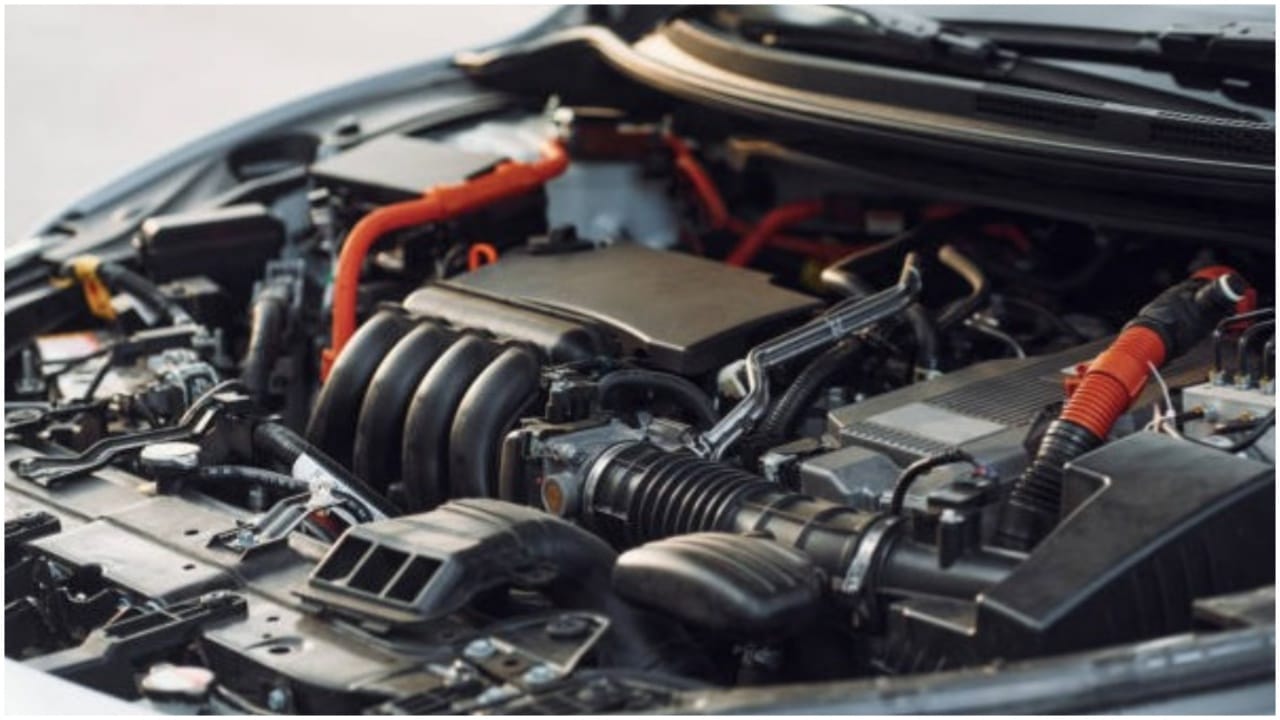
This knocking sound is very disturbing. You may want an answer that you can trust so that you know the right information. That's why we've tried to provide clear information about rod knock.
Can thick oil fix rod knock? No, it can't. Heavy oil can reduce the noise for a while. It does this by increasing oil pressure. It also fills gaps due to damage. However, this repair is only temporary. Rod knock usually refers to worn engine parts.
Thick oil hides the problem. It doesn't fix what's broken. Using thick oil in the long run is risky. It can further damage the engine. It can't lubricate all the parts properly. This can lead to bigger problems later.
Keep reading. We'll explain why thick oil is not the solution. We'll also discuss real solutions to rod knock. So that you can understand how to properly care for your engine. If you have any questions, let us know in the comments and get your answers.
Understanding Rod Knock

Rod knock is basically a distinct engine sound. It sounds like a rhythmic tapping or knocking. This sound often indicates a serious problem. Most of the time, it usually means worn connecting rod bearings. These bearings make room.
The piston rod then hits the crankshaft. Low oil or poor lubrication causes this. Ignoring rod knock is extremely risky. Sometimes it causes major engine damage. That's why quick troubleshooting is very important. Well, let's go into more detail.
What is Rod Knock?
Rod knock is a rhythmic engine knocking sound. It often signals worn connecting rod bearings. These bearings lose their cushioning. This allows the connecting rods to hit the crankshaft. This damage can be caused by low oil or poor lubrication. Ignoring rod knock is risky. It can lead to serious engine damage.
Causes of Rod Knock
Rod knock is an engine tapping sound. It happens when parts that should not touch do. Think of soft cushions between moving parts. When these cushions wear out or lack oil, the parts hit. This makes the knocking. Not enough oil, bad oil, or a hot engine can cause this wear. It's like bones hitting without cartilage.
Symptoms and Detection
The main symptom is a knocking sound. This sound often gets louder as the engine speed increases. Oil pressure may also drop. You may see an oil pressure light on the car's dashboard and metallic splatters in the engine oil.
Engine power may also decrease. To detect this, listen carefully to the engine. Knocking noises are usually rhythmic. These are likely to occur in the lower part of the engine. Mechanics use special tools to listen more carefully. They can test the oil for metal.
The Role of Oil in Engine Function
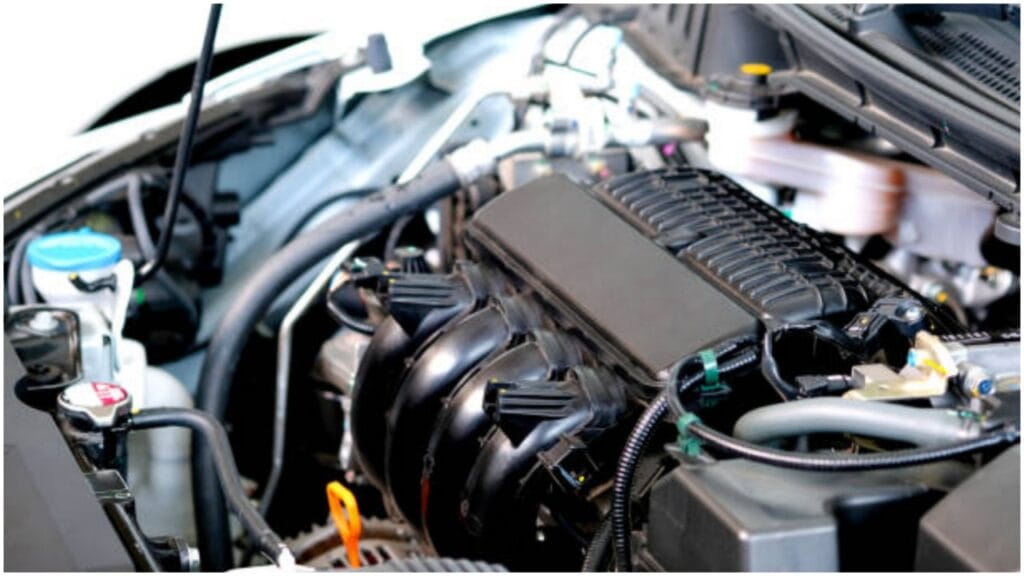
Engine oil is essential for smooth operation. It lubricates moving parts, reducing friction and wear. It prevents overheating by dissipating heat. Oil cleans debris and the engine.
It creates a good seal between the piston and cylinder, which can help with compression. Advanced oils contain additives. These enhance performance and protect against corrosion.
How Oil Viscosity Affects Engine Operation?
The viscosity or thickness of the oil affects engine performance. Thinner oil flows more easily, aids in cold starting, and increases fuel economy. Thicker oil provides better protection at higher temperatures and under heavy loads.
The correct viscosity ensures lubrication, can reduce wear and tear, and maintain optimal engine performance. Using the wrong viscosity can damage engine components.
Importance of Oil Quality and Maintenance
High-quality oil is crucial to the health of your engine. It's primary function is to lubricate, cool, and clean the oil, preventing corrosion. Regular maintenance, such as oil changes, removes contaminants.
This ensures optimal performance and extends engine life. Using the correct oil type and following service schedules are essential for all vehicles, from basic to high-performance.
Thick Oil as a Temporary Solution
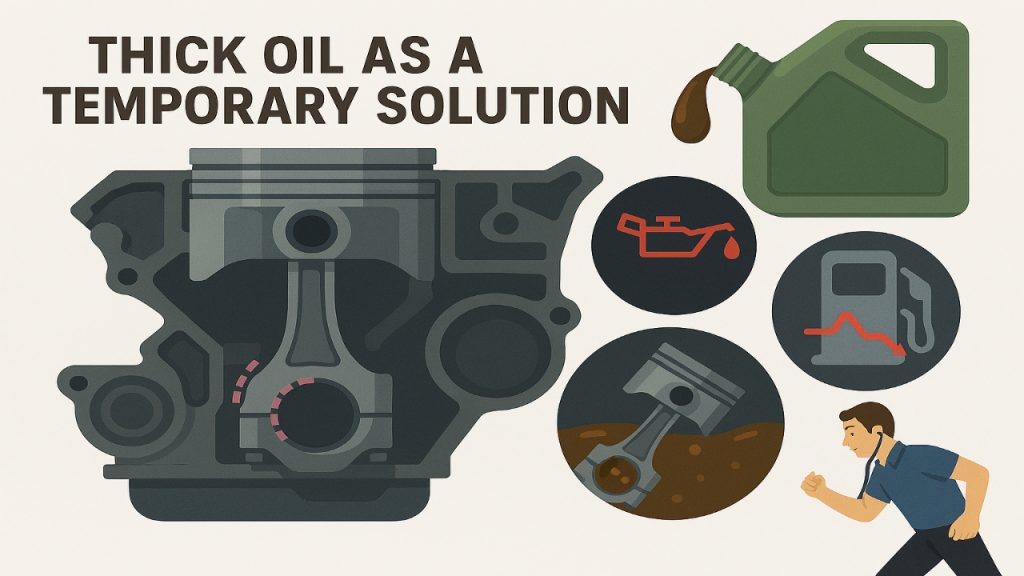
Thickening oil can temporarily reduce symptoms such as leaks or excessive oil consumption. It creates better seals in worn engines. This is a short-term solution. It may never solve the root problem and can cause long-term damage later, especially in cold weather or on modern engines. Proper repair is always recommended.
Can Mask Underlying Issues
Thick oil can often mask problems such as increased oil pressure and reduced flow, and can delay proper diagnosis and repair, which can lead to more serious damage. This may be a temporary solution, but it is crucial to address the root cause rather than relying solely on thick oil.
How Thick Oil Mitigates Rod Knock
Thicker oil can soften worn engine bearings, which reduces the impact and noise of rod knock. The increased viscosity creates a larger gap between the rod and the crankshaft, reducing the knocking noise. However, this is a temporary solution; it does not repair the underlying damage and the knocking is likely to return.
Limitations of Using Thick Oil
Using thick oil has limitations. It can strain the oil pump, reduce fuel economy, and hinder cold starts. It might not properly lubricate tight engine tolerances, especially in modern engines. While masking some wear, it doesn't fix the root problem and can lead to further damage over time.
Long-Term Solutions for Rod Knock
Long-term solutions for rod knock involve addressing the root cause: usually worn bearings. Engine disassembly and replacement of damaged components like bearings and possibly the crankshaft are required. Proper lubrication through regular oil changes with the correct oil type is crucial to prevent future issues. Rebuilding or replacing the engine is also an option.
Assessing the Need for Engine Rebuild
Engine rebuild is a big decision. It is necessary when there is significant internal damage. These include severe damage to the rods or excessive oil consumption. Excessive smoke, metal in the oil, or electrical corrosion are all indications of this. It is an expensive repair. However, it can significantly extend the life of the engine.
Cost Considerations
Rod knock repairs are expensive. Simple bearing replacements are cheaper. If the crankshaft is damaged, the cost can increase many times over. A complete engine rebuild is the most expensive. Costs may vary depending on labor, parts, and model of your vehicle. It is always wise to get multiple quotes.
Risks of Ignoring Rod Knock
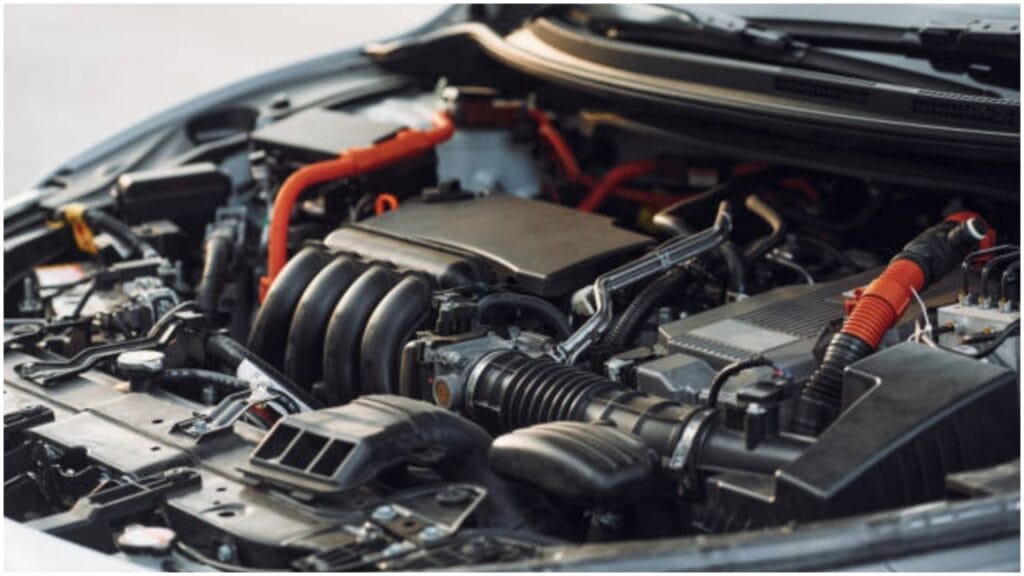
Ignoring rod knock can lead to disaster. The engine will fail. Internal parts will break. This can lead to the entire engine being destroyed. Driving with rod knock can cause serious and expensive damage. This is an important warning; do not ignore it.
Potential Engine Damage Over Time
Ignoring engine issues like rod knock causes progressive damage. Small wear turns into a major component failure. Bearings wear completely. Crankshafts get scored.
Pistons can break. This leads to complete engine seizure. What began as a noise becomes a costly repair, often requiring full engine replacement.
Impact on Vehicle Performance
Unaddressed engine issues, like rod knock, severely hurt performance. You'll notice reduced power. Acceleration will feel sluggish. Fuel economy often drops.
The engine might even run rough or stall. Eventually, the vehicle can become unreliable or completely undrivable. Ignoring problems degrades the entire driving experience.
Seeking Professional Help
Don't guess with engine noises. A professional mechanic offers an accurate diagnosis. They have specialized tools and expertise. They can pinpoint the exact problem.
This prevents further damage from incorrect fixes. Seeking professional help ensures proper repair. It saves money and boosts safety in the long run.
Choosing the Right Mechanic
Choosing a mechanic is very important. Look for certified technicians. Get recommendations from friends or online reviews. If possible, make sure they are experts in your type of vehicle. A trusted mechanic will emphasize honest advice and quality repairs.
Preparing for a Mechanic Visit
Before your visit, note all symptoms. Write down noises, smells, or warning lights. Check fluid levels if safe. Gather your vehicle's service history. Be ready to explain the issue clearly. This helps the mechanic diagnose problems faster. It ensures you get efficient service.
Conclusion
Rod knock, that alarming engine sound, signals serious internal wear, often in connecting rod bearings. While thicker oil might temporarily quiet the noise by increasing oil film, it's a deceptive fix.
This masks critical damage, letting the underlying issue worsen, potentially leading to catastrophic engine failure. Relying on it can starve other vital components, causing more harm.
The real solution involves professional diagnosis and repair, such as replacing worn bearings, crankshaft work, or a full engine rebuild. Ignoring it risks expensive, extensive damage and vehicle breakdown.
Preventative measures, including using correct oil viscosity, timely changes, and proper maintenance, are key. Professional attention is crucial for longevity and safety.
Common FAQ's
The 1997 2.5L knock sensor uses a single-pin connector. The 2000 model switched to a 2-pin plug for better signal. Designs evolved slightly for EJ engines, but location stays under intake manifold. Always torque to spec.
Thicker oil quiets rod knock temporarily. It cushions worn bearings better. But it doesn't fix the damage. Bearings stay loose. Engine fails soon. Use 10W-40 or additives like Lucas. Change oil fast. Rebuild needed.
Engine rod knock means worn bearings. Best fix? Pull the pan. Check rods. Machine crank if scored. Install new bearings. Plastigauge for clearance. Torque caps right. Full rebuild if walls damaged. Oil additives buy time only. Don't drive it hard.
Related Products



Gerry is a certified automotive expert and founder of AutomotiveAH.com, specializing in vehicle maintenance, diagnostics, and engine systems, delivering trusted, research – driven automotive guidance.